
Gulf of Paria Oil Spill — Venezuela Demands Compensation from Trinidad and Tobago
Gulf of Paria Oil Spill — Venezuela Demands Compensation from Trinidad and Tobago The Incident and Its Immediate Response The Gulf of Paria has long been central to the energy lifeblood of Trinidad and Tobago, supporting jobs, communities and the wider Caribbean economy through oil and gas activities. On 1 May, Heritage Petroleum Company Limited detected an oil spill at its off
The Incident and Its Immediate Response
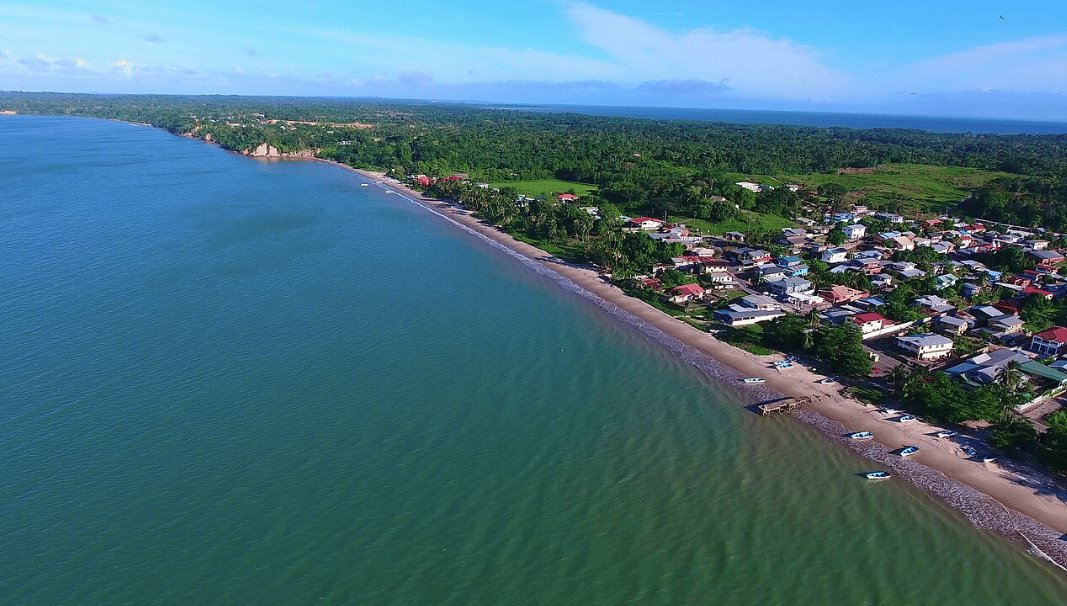
The Gulf of Paria has long been central to the energy lifeblood of Trinidad and Tobago, supporting jobs, communities and the wider Caribbean economy through oil and gas activities. On 1 May, Heritage Petroleum Company Limited detected an oil spill at its offshore Main Field operation at approximately 7:25 a.m. The company promptly notified the Ministry of Energy and Energy Industries, the Coast Guard and the Environmental Management Authority. According to Port of Spain, roughly 10 barrels were released before the leak was stopped the same day and the facility repaired and returned to service on 2 May.
Trinidad and Tobago's spill trajectory modelling indicated that, if left untreated, hydrocarbons could have crossed into Venezuelan waters. This led to the deployment of chemical dispersants some six to eight nautical miles from the shared maritime border. Follow-up drone and vessel inspections reportedly found no visible hydrocarbons remaining on the surface. These steps were taken to limit spread, yet the incident remained undisclosed publicly until Venezuela raised concerns.
Venezuela Raises Alarm and Seeks Answers
Venezuela's Foreign Minister Yván Gil went public on 12 May, demanding information and compensation while warning of potential impacts across 1,625 square kilometres. The concerns span 12 strategic wetland systems, four national parks and the livelihoods of more than 500 fishermen in the states of Sucre and Delta Amacuro. Acting President Delcy Rodríguez ordered a multidisciplinary team of environmental specialists, biologists and naval personnel to the affected areas.
Satellite imagery obtained by Caracas, including images dating back to 28 April, showed a slick originating from Trinidad. Venezuela maintains that the volume remains unknown and has formally requested details from Port of Spain. The claim highlights risks to shared Gulf of Paria ecosystems, a vital area for both nations' fishing communities and coastal environments already facing pressures from climate change on small island developing states.
Trinidad and Tobago's Account and Containment Efforts
Port of Spain strongly disputes the scale described by Caracas, characterising the incident as a minor, quickly contained spill. Trinidad's own assessments found no visible hydrocarbons after dispersant use, and authorities emphasise that the response followed established protocols. Energy Minister Moonilal has confirmed that talks with Venezuelan counterparts are being arranged to address the matter directly.
This approach reflects the practical realities of operating in shared waters where oil and gas activities, including those once tied to Petrotrin and now involving companies like Heritage Petroleum, require careful coordination. The Gulf remains important for Atlantic LNG and regional energy supply, yet incidents like this remind communities in Trinidad and Tobago of the need for vigilance around environmental protection and transparent communication.
Opposition Voices and Questions of Transparency
Within Trinidad and Tobago, the Opposition has called for an investigation. Former Energy Minister Stuart Young has stated that information was suppressed, raising concerns about how quickly details reached the public. Such calls echo wider community worries about accountability in the energy sector, where decisions affect not only national revenue but also the daily lives of families dependent on fishing and coastal resources.
These discussions occur against a backdrop of regional cooperation through CARICOM, where shared environmental challenges often require joint approaches. Neighbouring countries such as Guyana and Jamaica have faced their own energy and climate pressures, underscoring how incidents in the Gulf of Paria can ripple across the Caribbean basin.
Environmental and Livelihood Concerns in Shared Waters
The Gulf of Paria supports diverse ecosystems and the livelihoods of fishing families on both sides of the maritime border. Venezuela's warning about impacts to wetlands and national parks touches on longstanding issues of pollution and habitat loss that affect food security and cultural traditions tied to the sea. In Trinidad and Tobago, similar concerns arise around cost of living pressures, as any disruption to fisheries can influence local markets and household budgets.
Climate change adds another layer, with rising sea levels and changing weather patterns already challenging small island developing states. Communities in coastal areas understand these realities intimately, and the spill serves as a reminder of the delicate balance between energy development and environmental stewardship that affects everyone from Point Fortin to the Venezuelan states of Sucre and Delta Amacuro.
Diplomatic Steps and Regional Context
Energy Minister Moonilal's indication that talks are being arranged offers a pathway for dialogue between the two nations. Such engagement aligns with CARICOM principles of regional cooperation, even as bilateral matters like maritime boundaries and resource management require careful handling. Historical ties through energy projects have shown that open communication helps prevent misunderstandings that could strain relations.
For families in Trinidad and Tobago, the priority remains protecting the marine environment that sustains both industry and tradition. While details of any compensation discussions remain to be seen, the focus on facts and measured responses reflects the practical spirit of Caribbean diplomacy. Further updates will be followed closely as the situation develops.
By Sharon Sahatoo, Staff WriterThis article was produced with AI-assisted research and editorial support. Reporting is based on sources cited in the article.
What's Your Reaction?
 Like
0
Like
0
 Dislike
0
Dislike
0
 Love
0
Love
0
 Funny
0
Funny
0
 Wow
0
Wow
0
 Sad
0
Sad
0
 Angry
0
Angry
0

Caribbean Correspondent at Global1.News. Based in Port of Spain, Trinidad, covering Caribbean politics, economy, energy, climate, and culture. Amplifying the voices and stories of the Caribbean region.













Comments (0)