
Gulf of Paria Widens: Trinidad and Venezuela at Odds Over May Day Oil Spill
The Incident Unfolds in the Gulf of Paria On May 1, Heritage Petroleum Company Limited detected an oil spill at its offshore Main Field operation in the Gulf of Paria at approximately 7:25 a.m. The company immediately notified Trinidad and Tobago's Ministry of Energy and Energy Industries, the Coast Guard, and the Environmental Management Authority. According to Port of Spain,
The Incident Unfolds in the Gulf of Paria
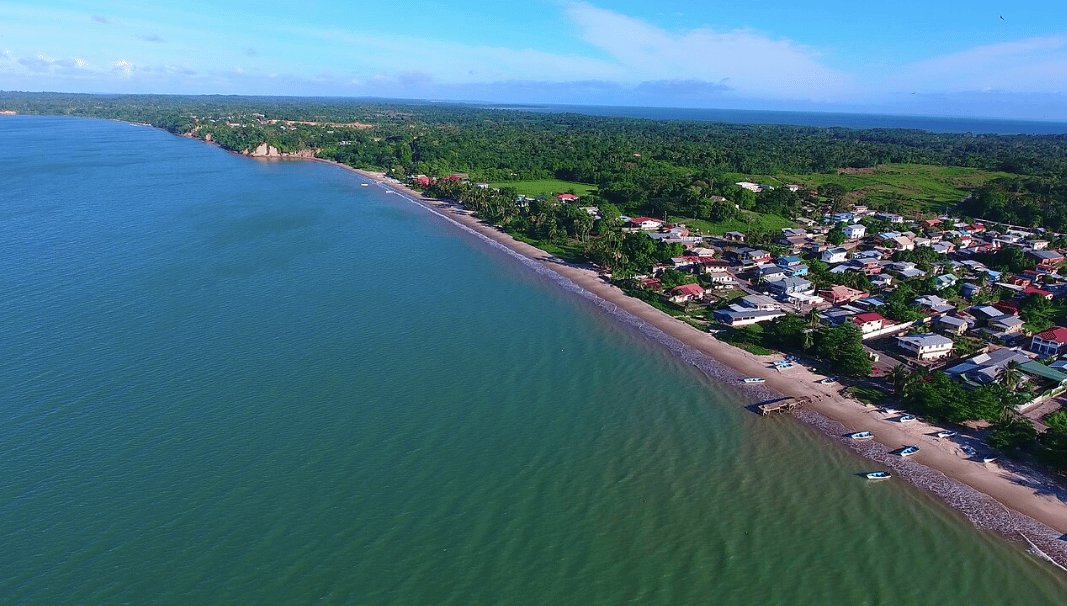
On May 1, Heritage Petroleum Company Limited detected an oil spill at its offshore Main Field operation in the Gulf of Paria at approximately 7:25 a.m. The company immediately notified Trinidad and Tobago's Ministry of Energy and Energy Industries, the Coast Guard, and the Environmental Management Authority. According to Port of Spain, an estimated 10 barrels were spilled. The leak was stopped the same day, repaired and returned to service on May 2. This swift internal action reflects the everyday realities of our energy sector, where offshore operations remain central to livelihoods across Trinidad and Tobago even as families grapple with rising costs of living. The Gulf of Paria itself holds profound ecological significance as a semi-enclosed basin rich in mangroves and seagrass beds that support diverse marine species, from commercially vital fish stocks to migratory birds that sustain coastal communities in both Trinidad and Venezuela.
Trinidad's energy sector continues to anchor the national economy, contributing over 30 percent of GDP through oil and gas exports that fund public services and employment for thousands of families in Point Fortin, La Brea and surrounding areas. Historical ties to the petroleum industry stretch back to the early twentieth century, when discoveries transformed rural villages into industrial hubs and created generational careers in exploration and production. Yet these same waters now face mounting pressures from climate change, including rising sea levels that threaten the very wetlands and fisheries upon which local households depend for supplementary income during lean periods.
Modelling Reveals Cross-Border Risks
Trinidad's own spill trajectory modelling found that if left untreated, the hydrocarbons could have crossed into Venezuelan waters. Authorities therefore deployed chemical dispersants approximately six to eight nautical miles from the shared maritime border. Such proactive steps highlight the delicate balance our small island developing states must strike when managing energy resources amid climate change pressures that already threaten coastal communities with flooding and shifting weather patterns during hurricane season. The Gulf of Paria's shared ecosystem functions as a natural corridor for marine life, where currents carry nutrients and pollutants alike between the two nations, underscoring why even modest incidents demand careful cross-border consideration.
Practical implications for Trinidadian fishermen emerge clearly here, as many from communities like Icacos and Cedros rely on these waters for daily catches that feed families and supply markets across the island. Historical precedents, including smaller leaks in the 1990s, have shown how dispersant use can affect plankton levels and ultimately reduce fish populations for seasons to come. Regional cooperation through CARICOM mechanisms could strengthen joint monitoring protocols, allowing member states to share modelling data and response resources before incidents escalate into diplomatic tensions.
Venezuela Raises the Alarm Publicly
Neither Heritage Petroleum nor the Trinidad and Tobago government publicly disclosed the incident until Venezuela raised the alarm internationally. Satellite imagery obtained by Caracas, including images dating back to April 28, showed a slick originating from Trinidad. Venezuela's Foreign Minister Yván Gil went public on May 12, demanding information and compensation while warning of impacts across 1,625 square kilometres spanning 12 strategic wetland systems, four national parks, and the livelihoods of more than 500 fishermen in the states of Sucre and Delta Amacuro. Acting President Delcy Rodríguez ordered a multidisciplinary team of environmental specialists, biologists and naval personnel to the affected areas. These developments underscore how environmental incidents in our shared Caribbean waters can quickly ripple through regional fishing communities already navigating post-pandemic recovery challenges.
The Gulf of Paria's ecological richness, with its extensive mangrove forests acting as nurseries for shrimp and finfish, supports food security on both sides of the border and forms part of a larger Caribbean marine corridor vital for biodiversity. Venezuela's public stance draws attention to the human cost borne by families in Delta Amacuro, where fishing remains a primary livelihood passed down through generations. For Trinidad, this episode highlights the need for transparent communication that builds trust within CARICOM frameworks, where environmental protection increasingly intersects with economic stability across the region.
Trinidad and Tobago Holds to Its Assessment
Port of Spain maintains that only an estimated 10 barrels were spilled, the leak was stopped on May 1 and repaired the next day, chemical dispersants were deployed proactively before any cross-border contamination occurred, and the incident constituted a minor event with no significant environmental impact. This position comes at a time when the energy sector, including operations tied to companies like Heritage Petroleum, continues to underpin economic stability in Trinidad and Tobago, even as households feel the squeeze from inflation and global oil price fluctuations. The Gulf of Paria remains a cornerstone of national energy production, with fields that have historically supplied natural gas for domestic power generation and export revenues that support social programmes in communities from San Fernando to Sangre Grande.
Analysis of past incidents reveals that Trinidad's regulatory framework has evolved since the 1970s oil boom, incorporating stricter reporting requirements under the Environmental Management Authority. Yet the current disagreement illustrates practical challenges in verifying spill volumes when satellite evidence from neighbouring states presents differing pictures. Strengthening bilateral technical exchanges could prevent similar disputes, fostering the kind of neighbourly cooperation that has long characterised Caribbean diplomacy on shared resources.
Opposition Demands Formal Scrutiny
Stuart Young, former Energy Minister, argued that both Heritage Petroleum and the government deliberately withheld information about a significant offshore spill, calling it a deliberate cover-up and demanding a formal investigation. Such calls resonate deeply in our communities, where trust in public institutions remains vital for addressing everyday concerns around public safety and transparent governance in the energy industry. In Trinidad, where energy revenues have historically funded education and healthcare initiatives, any perception of opacity can erode public confidence among families who depend on stable sector performance for their economic security.
The opposition's position also connects to broader regional conversations within CARICOM about accountability in extractive industries. Historical examples from other Caribbean nations show that independent inquiries into environmental incidents often lead to improved safety standards and greater community involvement in oversight. For Trinidadian stakeholders, including fisherfolk associations and environmental groups, such scrutiny could translate into stronger protections for the Gulf of Paria's delicate balance of economic activity and ecological health.
Long-Standing Vulnerabilities in Shared Waters
The diplomatic row exposes long-standing vulnerabilities in bilateral environmental governance between two neighbours who share one of the Caribbean's most ecologically and economically significant bodies of water. Venezuela's decision to take its grievances public raises the stakes considerably. Caracas insists the spill has caused, or risks causing, serious damage to wetlands, national parks and fishing communities across two Venezuelan states, that Trinidad breached international convention obligations by failing to promptly notify Venezuela, and that compensation will be formally sought. In the wider Caribbean context, this situation reminds us how closely linked our nations remain through CARICOM ties and the need for stronger cooperation on issues affecting our shared marine environment, from oil and gas activities to the protection of livelihoods that sustain families on both sides of the border.
Historical background reveals that maritime boundaries in the Gulf of Paria were formalised decades ago, yet joint environmental protocols have lagged behind the pace of energy development. Practical implications include potential impacts on Trinidad's tourism and fisheries sectors if perceptions of pollution deter investment or reduce catches. Enhanced regional mechanisms, perhaps through CARICOM environmental working groups, could establish rapid-response teams and shared satellite monitoring to safeguard the Gulf for future generations while preserving the economic contributions that energy operations provide to Trinidadian households.
By Sharon Sahatoo, Staff WriterThis article was produced with AI-assisted research and editorial support. Reporting is based on sources cited in the article.
What's Your Reaction?
 Like
0
Like
0
 Dislike
0
Dislike
0
 Love
0
Love
0
 Funny
0
Funny
0
 Wow
0
Wow
0
 Sad
0
Sad
0
 Angry
0
Angry
0

Caribbean Correspondent at Global1.News. Based in Port of Spain, Trinidad, covering Caribbean politics, economy, energy, climate, and culture. Amplifying the voices and stories of the Caribbean region.












Comments (0)