
Gulf of Paria Oil Spill Sparks Fresh Diplomatic Tension Between Trinidad and Tobago and Venezuela
The Incident Comes to Light News of an oil spill in the Gulf of Paria has stirred deep concern across our twin-island republic and beyond. On May 1, Heritage Petroleum Company Limited detected the spill at its offshore Main Field operation around 7:25 a.m. The company quickly alerted the Ministry of Energy and Energy Industries, the Coast Guard, and the Environmental Management
The Incident Comes to Light
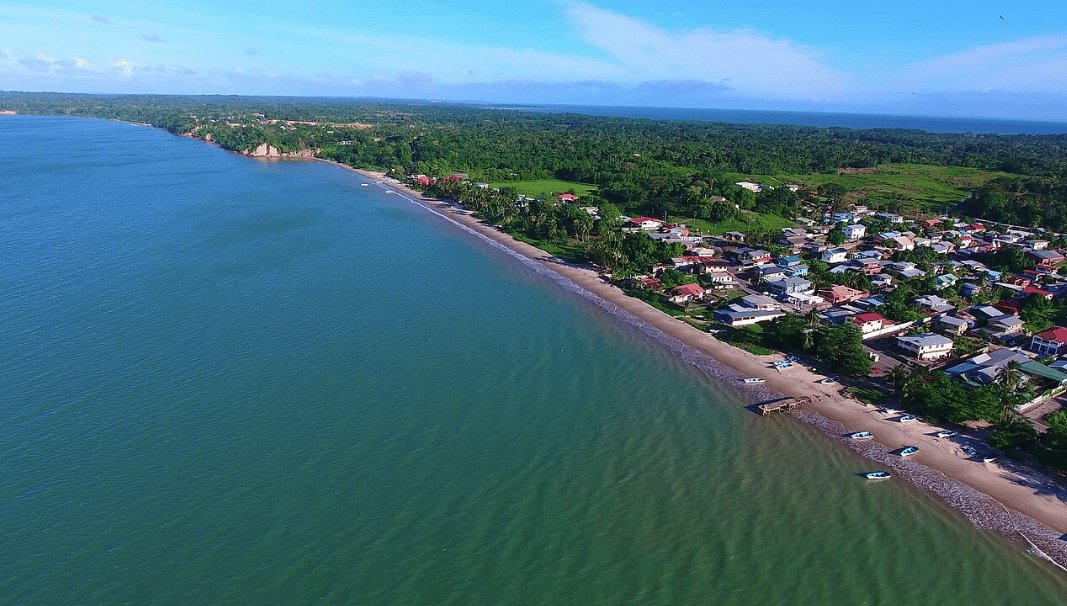
News of an oil spill in the Gulf of Paria has stirred deep concern across our twin-island republic and beyond. On May 1, Heritage Petroleum Company Limited detected the spill at its offshore Main Field operation around 7:25 a.m. The company quickly alerted the Ministry of Energy and Energy Industries, the Coast Guard, and the Environmental Management Authority. According to Port of Spain, roughly 10 barrels escaped before the leak was stopped the same day and the facility returned to service on May 2.
Trinidad and Tobago's Containment Efforts
Trinidad and Tobago authorities moved swiftly once the spill was confirmed. Their modelling showed that untreated hydrocarbons could have drifted across into Venezuelan waters. Chemical dispersants were therefore deployed some six to eight nautical miles from the shared maritime border. Follow-up checks by drone and vessel found no visible hydrocarbons left on the surface. Yet the incident remained undisclosed to the public until Venezuela raised the matter internationally, leaving many in our coastal communities wondering why the news travelled so slowly.
Venezuela Raises Alarm and Seeks Answers
Caracas has formally demanded information and compensation, insisting the spill originated in Trinidadian waters and threatens shared ecosystems in the Gulf of Paria. Satellite imagery obtained by Venezuela, including images from as early as April 28, appeared to show a slick beginning on the Trinidad side. On May 12, Foreign Minister Yván Gil went public with the concerns, warning of possible effects across 1,625 square kilometres that touch 12 strategic wetland systems, four national parks, and the livelihoods of more than 500 fishermen in the states of Sucre and Delta Amacuro. Acting President Delcy Rodríguez has since ordered a multidisciplinary team of environmental specialists, biologists, and naval personnel to assess the areas.
Port of Spain Disputes Scale of the Event
Trinidad and Tobago strongly disputes Venezuela's characterisation, describing the incident as a minor spill that was quickly contained. Officials maintain that the response was appropriate and that no lasting damage reached the border. This difference in accounts has placed both nations in a delicate position, especially given the long-standing importance of the energy sector to families on both sides of the Gulf. Many here recall how oil and gas activity has long supported jobs and community life, yet any spill reminds us how quickly livelihoods tied to fishing and clean waters can be placed at risk.
Opposition Voices Demand Transparency
Former Energy Minister Stuart Young has called for a formal investigation, arguing that both Heritage Petroleum and the government deliberately withheld information about the offshore event. He described the handling as a cover-up and stated, "There must be an investigation now into who suppressed this information of an oil spill since May 1." His remarks have resonated with citizens who value open communication, particularly when environmental matters affect the wider Caribbean region and our shared waters.
Regional Lessons for Shared Maritime Zones
The dispute highlights long-standing vulnerabilities in how neighbouring countries manage environmental risks in overlapping maritime areas. For the wider Caribbean, it serves as a reminder that offshore oil and gas work in shared zones needs clear, pre-agreed notification and response frameworks. With Venezuela recently claiming Trinidad as its own territory in a manner similar to its stance toward Guyana, and with Maduro now in US custody leaving Caracas in no mood for measured diplomacy, the situation carries extra weight. Communities across Trinidad and Tobago understand that steady energy production supports household budgets amid rising living costs, yet they also know that protecting the Gulf of Paria remains essential for future generations.
By Sharon Sahatoo, Staff WriterThis article was produced with AI-assisted research and editorial support. Reporting is based on sources cited in the article.
What's Your Reaction?
 Like
0
Like
0
 Dislike
0
Dislike
0
 Love
0
Love
0
 Funny
0
Funny
0
 Wow
0
Wow
0
 Sad
0
Sad
0
 Angry
0
Angry
0

Caribbean Correspondent at Global1.News. Based in Port of Spain, Trinidad, covering Caribbean politics, economy, energy, climate, and culture. Amplifying the voices and stories of the Caribbean region.











Comments (0)