
'Gifts' from a lover and 'botched' cocaine raids: Police inquiry grips South Africa
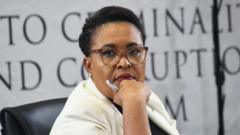
South Africa's ongoing Madlanga Commission has become a focal point of national attention, exposing layers of alleged misconduct within the police force through testimony that includes denials of bribes tied to personal gifts from a lover and claims surrounding botched cocaine raids. The inquiry, centered on accusations of drug heists and related corruption, underscores deep concerns about institutional integrity at a time when public trust in law enforcement remains fragile across the continent. These hearings matter now because they intersect with wider efforts to address systemic challenges in policing, potentially shaping how communities in South Africa and neighboring nations view accountability mechanisms.
The revelations emerging from the commission have drawn widespread interest, not only for their dramatic elements but also for what they reveal about the intersection of personal relationships and professional duties. As details surface about Brazilian butt lift bribe denials alongside allegations of staged or failed drug operations, the process highlights vulnerabilities in investigative practices. This scrutiny arrives amid persistent questions about how resources are allocated in the fight against organized crime, making the commission's work a lens through which broader governance issues come into focus.
The Madlanga Commission's Role in Examining Police Practices
The Madlanga Commission was established to probe specific claims of wrongdoing in South African policing, particularly around high-profile operations that appear to have gone awry. Testimony presented so far has included accounts of alleged drug heists, where officers are accused of involvement in unauthorized seizures or diversions of narcotics. These elements have prompted careful examination of operational protocols, revealing how even routine raids can spiral into larger controversies when questions of motive arise. Analysis of the commission's proceedings shows that such inquiries serve as critical checks on power, especially in environments where drug trafficking networks exert significant influence. By hearing directly from those involved, the process allows for a methodical review of evidence that might otherwise remain buried. Implications extend beyond individual cases, as findings could influence training standards and oversight structures for years to come, fostering greater transparency in how forces handle sensitive enforcement actions.Personal Gifts, Relationships, and Bribe Allegations
Central to recent sessions have been denials regarding gifts described as coming from a lover, framed within accusations of bribery linked to a Brazilian butt lift procedure. Witnesses have rejected suggestions that such items constituted improper inducements, insisting instead on the private nature of the exchanges. This line of questioning illustrates how personal affairs can intersect with professional ethics, complicating efforts to separate private conduct from official responsibilities. Context from similar past reviews in South Africa demonstrates that relationship-based allegations often surface in corruption probes because they humanize the stakes involved. The commission's approach here emphasizes documentation and cross-verification, avoiding hasty conclusions. The implications are notable for workplace cultures within security agencies, where blurred boundaries between personal and professional spheres can erode public confidence if left unaddressed. Communities across the region watch closely, recognizing that such details reflect universal challenges in maintaining impartiality under pressure.Botched Raids and the Question of Drug Heists
Testimony has also turned to claims of botched cocaine raids, with descriptions of operations that allegedly deviated from standard procedure and resulted in disputed outcomes. Allegations of drug heists suggest possible internal diversions or coordinated missteps that benefited unauthorized parties. These accounts have prompted the commission to reconstruct timelines and assess chain-of-command decisions that may have contributed to the failures. Background on South Africa's struggle with narcotics enforcement provides essential perspective, as porous borders and sophisticated smuggling routes have long tested police capacity. The hearings offer an opportunity to dissect why certain raids falter, potentially identifying patterns that recur across provinces. Forward-looking analysis indicates that reforms emerging from this inquiry could prioritize better intelligence sharing and accountability measures, reducing the risk of future operational lapses that undermine anti-drug initiatives.Why These Revelations Resonate Across African Society
The grip of this police inquiry on South Africa reflects deeper currents in continental conversations about justice and equity. When commissions unearth layers of alleged misconduct, they do more than assign blame; they invite reflection on how societies invest in institutions meant to protect citizens. In Senegal and other West African nations, parallels exist in ongoing dialogues about strengthening law enforcement through community engagement and ethical training. This matters because corruption perceptions can influence everything from foreign investment to everyday safety in urban centers. The Madlanga process, by confronting uncomfortable details head-on, models a commitment to due process that resonates beyond national borders. Its emphasis on evidence-based testimony helps counter narratives that dismiss such inquiries as mere political theater, instead positioning them as tools for genuine progress in governance.Paths Forward and Potential Outcomes
As the commission continues its work, attention turns to the recommendations likely to follow the conclusion of hearings. Possible next steps include enhanced vetting processes for officers, revised guidelines for handling informants, and independent audits of drug-related operations. These measures, if implemented, could mark a turning point in restoring credibility to affected units. Observers anticipate that sustained public engagement will prove vital in translating findings into action. The inquiry's trajectory suggests a deliberate pace aimed at thoroughness rather than speed, which may yield durable changes. In the months ahead, updates from the commission will likely inform policy discussions, offering a template for other African states navigating similar questions of police reform and public accountability.By Amara Diop, Staff Writer
This article was produced with AI-assisted research and editorial support. Reporting is based on sources cited in the article.
What's Your Reaction?
 Like
0
Like
0
 Dislike
0
Dislike
0
 Love
0
Love
0
 Funny
0
Funny
0
 Wow
0
Wow
0
 Sad
0
Sad
0
 Angry
0
Angry
0

Amara Diop
West Africa/Sahel Correspondent at Global1.News. Dakar-based journalist covering politics, security, climate, and development across Francophone and Anglophone West Africa. Tells the stories of a region undergoing profound transformation.











Comments (0)