
Gaza Enters 2026 With More Deaths as Winter Conditions Worsen
Gaza's Winter Deaths: A Grandmother and Grandson Lost to Fire In recent days, the harsh realities of displacement in Gaza have claimed more lives through preventable tragedies tied to winter conditions. A displaced grandmother and her young grandson perished when their tent caught fire near the Yarmouk Stadium, west of Gaza City. The incident occurred on Thursday, with flames i
Gaza's Winter Deaths: A Grandmother and Grandson Lost to Fire
In recent days, the harsh realities of displacement in Gaza have claimed more lives through preventable tragedies tied to winter conditions. A displaced grandmother and her young grandson perished when their tent caught fire near the Yarmouk Stadium, west of Gaza City. The incident occurred on Thursday, with flames ignited by a cooking mishap and intensified by strong winter winds sweeping across the area. This event underscores the fragile existence faced by families forced into makeshift shelters after prolonged conflict.
The Palestinian Civil Defence in Gaza confirmed the victims as Amal Hamed Abu al-Khair, aged 65, and her grandson Saud Muhammad Abu al-Khair, who was five years old. The child's father suffered serious burns while attempting to rescue his family members. Such losses highlight the human cost borne by ordinary Palestinians navigating daily survival amid limited resources and inadequate protection from the elements. The fire spread rapidly due to the lightweight materials of the tent, leaving little time for escape in the crowded conditions west of Gaza City.
These deaths connect directly to the broader humanitarian crisis, where families have endured two years of Israel's genocide in Gaza. Displaced residents often rely on open-flame cooking methods because of restricted access to safer alternatives. Strong winds common in the winter season turn minor accidents into fatal events, amplifying the risks for vulnerable groups including the elderly and young children. The incident near Yarmouk Stadium serves as a stark reminder of how policy decisions on aid and movement restrictions translate into immediate threats to life.
Local communities have expressed profound grief over the loss, with the father's injuries adding further strain to an already overwhelmed support system. This tragedy reflects patterns seen across the besieged territory, where winter exacerbates existing hardships from displacement. Families like the Abu al-Khairs represent countless others whose stories remain tied to the ongoing siege and its daily toll on human dignity.
Child Freezes to Death as Winter Shelters Fail
Another devastating loss unfolded on Thursday in Nuseirat, central Gaza, where a displaced child named Malak Rami Ghneim froze to death amid plummeting temperatures and insufficient shelter. The severe drop in temperature caught many families unprepared, as heavy rain and strong winds flooded tents throughout the besieged territory. This incident illustrates the failure of current living arrangements to protect the most vulnerable during the winter season.
Since the start of winter, several children have died from exposure to the cold, while more than a dozen others perished when buildings collapsed under the force of storms and strong winds. These outcomes stem from the widespread destruction that has left Palestinians with few options beyond damaged tents and temporary structures. In Nuseirat, the lack of proper insulation and heating sources turned routine weather into a lethal threat for young Malak Rami Ghneim and others in similar situations.
The humanitarian crisis in Gaza has intensified these winter-related dangers, as displacement camps struggle under the weight of continuous population movements and resource shortages. Heavy rains over the past week have compounded flooding issues, soaking through makeshift homes and leaving residents exposed to hypothermia. Children, in particular, face heightened risks due to their smaller body sizes and dependence on adult caregivers who are themselves stretched thin by ongoing hardships.
Communities in central Gaza report that such deaths are becoming tragically common as winter progresses. The case of Malak Rami Ghneim draws attention to the urgent need for better protection measures, yet the realities of the siege limit immediate improvements. These losses connect the lived experiences of families directly to the wider patterns of conflict and restricted access that define daily life in the enclave.
Ceasefire Violations Mount as Israeli Attacks Continue
Israeli attacks across the besieged enclave persist despite the fragile ceasefire, with local media documenting ongoing shelling, gunshots, and air strikes in recent days. On Friday, a young Palestinian man was shot dead by the Israeli army west of Khan Younis in southern Gaza. Witnesses reported that the man was killed outside the military's deployment lines as stipulated under the truce agreement, highlighting repeated breaches of the deal.
Israel has violated the truce nearly 1,000 times since it began in early October, according to monitoring efforts. These violations occur amid growing uproar against Israel's aid restrictions, which further isolate communities already reeling from prolonged conflict. The continued military actions undermine any sense of stability for residents attempting to rebuild basic routines in displacement settings.
The human cost of these breaches extends beyond immediate fatalities, as families in southern Gaza live under constant threat of renewed violence. The shooting west of Khan Younis adds to a pattern where even areas designated under ceasefire terms face incursions. Such incidents erode trust in the agreement and perpetuate cycles of fear that affect mental and physical well-being across generations.
Broader context reveals how these attacks intersect with the humanitarian situation, limiting movement and access to essential services. Palestinians in affected zones report that violations compound the challenges of winter survival, as resources remain diverted toward immediate security concerns rather than shelter improvements. The tally of over 71,271 Palestinians killed by Israel's genocide in Gaza since October 2023 provides grim backdrop to these latest incidents.
Tent Cities Collapse: 42,000 Shelters Damaged in One Week
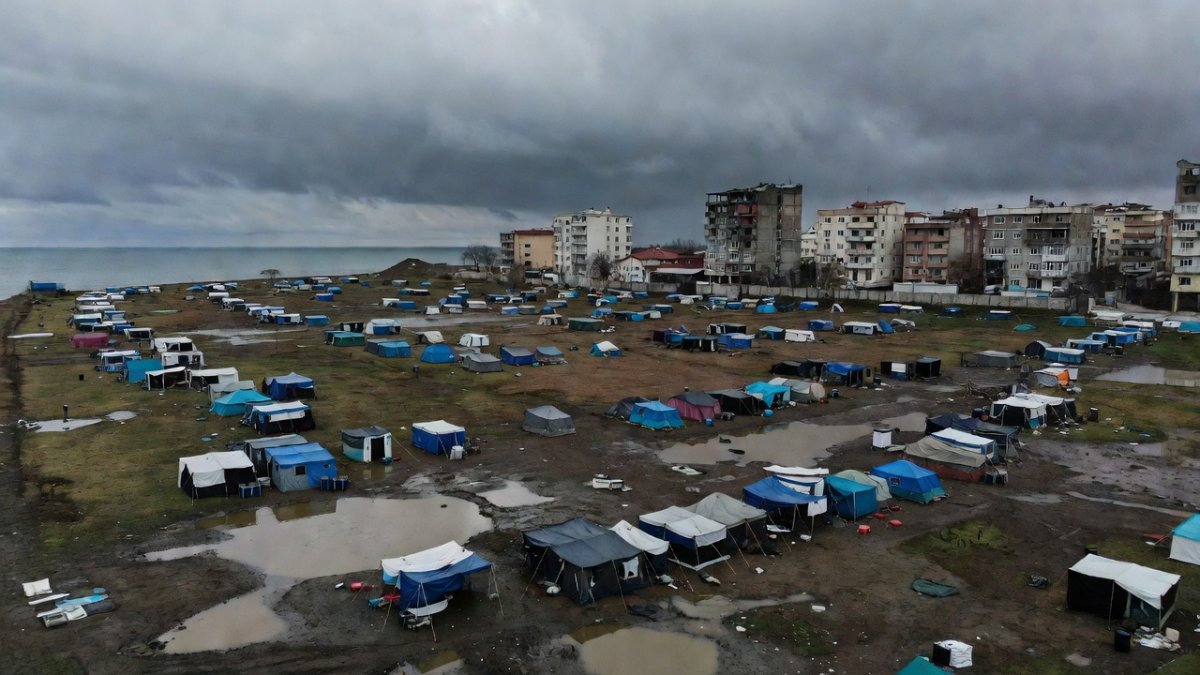
Heavy rain and strong winds over the past week have damaged more than 42,000 tents and makeshift shelters between 10 and 17 December 2025, according to the Shelter Cluster. This scale of destruction has affected nearly a quarter of a million people in the besieged enclave, leaving many without even basic protection from the elements. The rapid deterioration of these structures reveals the inadequacy of current displacement solutions in Gaza.
Winter conditions have accelerated the collapse of tent cities, with flooding turning living spaces into muddy, uninhabitable zones. Families already displaced by two years of conflict now face repeated setbacks as their temporary homes fail under pressure from storms. The Shelter Cluster data underscores how a single week of adverse weather can disrupt the lives of hundreds of thousands, deepening the humanitarian crisis.
These damages connect directly to the lived reality of Palestinians navigating daily survival without durable housing options. In areas like central and southern Gaza, residents describe how winds tear through fabric walls and rain soaks through floors, forcing constant repairs with limited materials. The resulting instability heightens risks for children and the elderly, who suffer most from exposure during cold snaps.
The widespread impact on nearly a quarter of a million individuals highlights systemic challenges in providing stable shelter amid ongoing restrictions. As more tents fail, communities must relocate again, perpetuating cycles of disruption that hinder any progress toward recovery. This week's figures from the Shelter Cluster paint a picture of an emergency that compounds with each passing storm.
Aid Restrictions and the Humanitarian Crisis
Uproar against Israel's aid restrictions has grown in recent days, as these measures intensify the humanitarian crisis gripping Gaza. Limited access to essential supplies leaves displaced families without adequate materials to reinforce shelters against winter weather. The restrictions hinder efforts to deliver items that could prevent tragedies like fires or exposure-related deaths.
The broader context of two years of Israel's genocide in Gaza shows how aid limitations translate into daily hardships for residents. Families in tent encampments struggle to obtain fuel, blankets, or sturdy coverings, forcing reliance on dangerous cooking methods that sparked the fatal blaze near Yarmouk Stadium. Such policies directly affect the ability of communities to withstand seasonal challenges.
International attention has focused on these restrictions, yet concrete changes remain elusive for those on the ground. Palestinians report that delays in aid exacerbate flooding and structural failures documented by the Shelter Cluster, affecting hundreds of thousands. The human impact includes increased vulnerability for children like Malak Rami Ghneim, whose death from cold reflects the cumulative effects of restricted resources.
These barriers also intersect with ceasefire dynamics, as violations further complicate logistics for humanitarian operations. Residents in central and southern Gaza describe a landscape where basic needs go unmet, sustaining the cycle of loss and displacement. The growing outcry signals widespread recognition of how aid policies shape the crisis, though tangible relief has yet to materialize at scale.
Gaza Enters 2026 Under Siege
As Gaza enters 2026, the territory remains under siege, with the cumulative effects of conflict and winter conditions shaping the start of the year. More deaths, including the killing of a Palestinian man by Israeli forces, have marked this period alongside continued violations of the ceasefire agreement. The persistent challenges reflect a humanitarian situation that shows no signs of easing for displaced populations.
The deaths of Amal Hamed Abu al-Khair, Saud Muhammad Abu al-Khair, and Malak Rami Ghneim stand as poignant examples of the human cost amid these circumstances. Winter winds, flooding, and structural failures have claimed additional lives through exposure and collapses, while aid restrictions limit responses to these emergencies. Over 71,271 Palestinians have been killed since October 2023, according to the Ministry of Health, providing context for the scale of ongoing suffering.
Communities across Gaza City, Nuseirat, and Khan Younis navigate these realities with resilience tempered by grief. The damage to more than 42,000 shelters in one week alone has displaced additional families, compounding pressures from nearly 1,000 ceasefire violations since early October. International uproar over aid limitations has highlighted these issues, yet daily life continues under constraints that affect every aspect of survival.
Looking ahead, the patterns established in late 2025 suggest that winter will continue testing the limits of makeshift arrangements. Families endure not only physical hardships but also the emotional weight of repeated losses in an environment where basic protections remain out of reach. This entry into the new year underscores the enduring impact of the siege on Palestinian lives and the urgent need for conditions that allow for safety and recovery.
By Fatima Al-Rashid, Staff WriterThis article was produced with AI-assisted research and editorial support. Reporting is based on sources cited in the article.
What's Your Reaction?
 Like
0
Like
0
 Dislike
0
Dislike
0
 Love
0
Love
0
 Funny
0
Funny
0
 Wow
0
Wow
0
 Sad
0
Sad
0
 Angry
0
Angry
0

Gulf/MENA Correspondent at Global1.News. Based in Doha, covering Gulf politics, energy markets, diplomacy, and development across the Middle East and North Africa. Tracks the economic transformation of the Gulf states.











Comments (0)