
Deadly Russian Strikes Hit Kyiv Ahead of NATO Summit
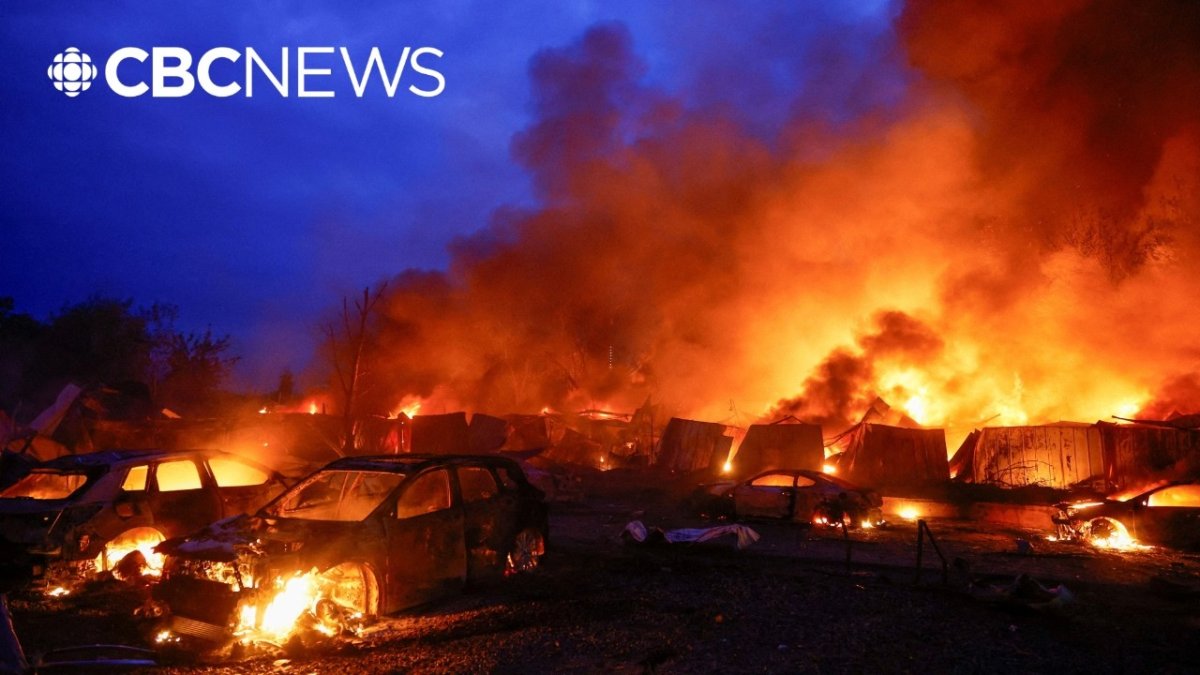
The CBC News video titled "Deadly Russian attacks hit Kyiv ahead of NATO summit" documents the destruction from overnight strikes that killed civilians in residential areas of the Ukrainian capital on the eve of critical alliance meetings. The footage shows emergency responders working amid rubble from buildings struck by missiles that Ukrainian forces could not stop. This atta
The CBC News video titled "Deadly Russian attacks hit Kyiv ahead of NATO summit" documents the destruction from overnight strikes that killed civilians in residential areas of the Ukrainian capital on the eve of critical alliance meetings. The footage shows emergency responders working amid rubble from buildings struck by missiles that Ukrainian forces could not stop. This attack underscores the ongoing conflict's direct implications for NATO members including Canada.
Russia Strikes Kyiv Overnight Ahead of NATO Summit in Ankara
Kyiv, Ukraine — Russian forces launched a massive barrage against Kyiv on Monday July 6 2026 that included 68 missiles and 351 drones. Ukrainian air defence systems failed to intercept any of the 23 ballistic missiles directed at the city. The strikes hit multiple residential buildings and caused one structure to partially collapse killing at least 11 people and wounding between 46 and 60 others. This assault marks the second major attack on the capital in recent days following Thursday's strike that killed 31 residents.
The timing of the operation coincides precisely with preparations for the NATO summit scheduled in Ankara Turkey. US President Donald Trump is confirmed to attend the gathering while the Canadian Prime Minister is also expected to participate in discussions on alliance security commitments. Russian strikes on Ukrainian infrastructure continue to test NATO resolve at a moment when member states must coordinate responses to aggression near alliance borders. Canadian officials have monitored these developments closely given their direct involvement in supporting Ukrainian sovereignty since 2014.
Separate reports confirm that an oil terminal at the Kerch port caught fire after a Ukrainian counterstrike in the same period. President Volodymyr Zelenskyy issued a public warning hours before the Russian attack reached Kyiv allowing some residents to seek shelter. The combination of missile and drone waves overwhelmed local defences and highlighted gaps in current air protection capabilities. These events carry immediate consequences for Canadian foreign policy as Ottawa maintains its longstanding support for Ukraine through NATO frameworks.
Canadian participation in the Ankara summit will focus on reinforcing collective defence obligations under Article 5. The overnight events in Kyiv demonstrate why sustained military assistance remains essential for preventing further escalation that could affect European stability. Ottawa has already allocated significant resources to Ukrainian forces and these new attacks reinforce the need for continued coordination among allies. Analysts note that such strikes test the limits of Ukrainian resilience ahead of high-level diplomatic engagements.
Overnight Attack Details
Russian forces deployed 68 missiles alongside 351 drones during the overnight operation targeting Kyiv as the primary objective. Of these 23 ballistic missiles evaded all interception attempts by Ukrainian air defence units leaving critical areas exposed. The resulting impacts damaged multiple apartment blocks in the capital with one building suffering partial collapse that trapped residents under debris. Emergency services reported 11 confirmed fatalities and between 46 and 60 injuries from the strikes that occurred in the early hours of Monday July 6 2026.
This barrage represents the second significant assault on Kyiv within days after Thursday's attack claimed 31 lives in what officials described as the deadliest incident on the city in 2026. The scale of the drone and missile combination strained Ukrainian resources and exposed vulnerabilities in existing defence networks. An additional fire broke out at an oil terminal in the Kerch port area following a separate Ukrainian response strike. These coordinated actions illustrate the intensity of operations on both sides of the conflict line.
President Zelenskyy had alerted the public to the incoming threat several hours in advance enabling partial evacuations from high-risk zones. Despite these precautions the ballistic missiles that reached their targets caused extensive structural damage across residential neighbourhoods. Ukrainian military statements confirmed that none of the 23 ballistic projectiles were successfully engaged by air defence systems. The failure rate raises urgent questions about the adequacy of current equipment supplies from international partners.
Canadian observers have noted the specific composition of the Russian attack with its heavy reliance on ballistic systems that proved difficult to counter. The involvement of 351 drones added layers of complexity to the defensive challenge faced by Ukrainian forces. Damage assessments continue in Kyiv where crews work to clear debris and restore essential services. These details provide concrete evidence of the operational realities confronting Ukraine as the NATO summit convenes.
Canada and the NATO Response
Canada maintains Operation Unifier which has trained Ukrainian military personnel since 2015 as part of its commitment to NATO collective security. This program has prepared thousands of Ukrainian soldiers in tactics and equipment handling that directly support frontline operations. The recent attacks on Kyiv highlight why such training initiatives remain vital for sustaining Ukrainian defensive capabilities against numerically superior forces. Canadian contributions also include billions of dollars in military aid encompassing artillery systems armour and air defence components.
At the upcoming NATO summit in Ankara the Canadian Prime Minister will join discussions on strengthening alliance air defence coordination and accelerating delivery timelines for critical systems. These talks occur against the backdrop of renewed Russian strikes that demonstrate the immediate need for enhanced protective measures. Ottawa has consistently advocated for increased defence spending among NATO members to meet the two percent of GDP target. The current situation in Ukraine reinforces the strategic importance of these commitments for Canadian security interests.
Canadian aid packages have included specific air defence elements that Ukrainian forces have integrated into their networks yet gaps persist as evidenced by the 23 un-intercepted ballistic missiles. Officials in Ottawa emphasise that sustained support aligns with NATO obligations and helps prevent wider regional instability that could draw in alliance members. The summit agenda will likely address procurement reforms to speed up equipment transfers to Ukraine. Canadian defence analysts stress that timely decisions at Ankara could influence the trajectory of the conflict in the coming months.
Operation Unifier continues to evolve with additional rotations of Canadian trainers deployed to allied facilities in Europe. This long-term engagement since 2015 has built institutional knowledge within Ukrainian units that proves essential during high-intensity attacks such as the one on Monday July 6 2026. The combination of training and material support positions Canada as a reliable partner within the NATO framework. These efforts matter directly for Canadian taxpayers who fund the programs and for the broader goal of maintaining a rules-based international order.
Impact on Kyiv Residents
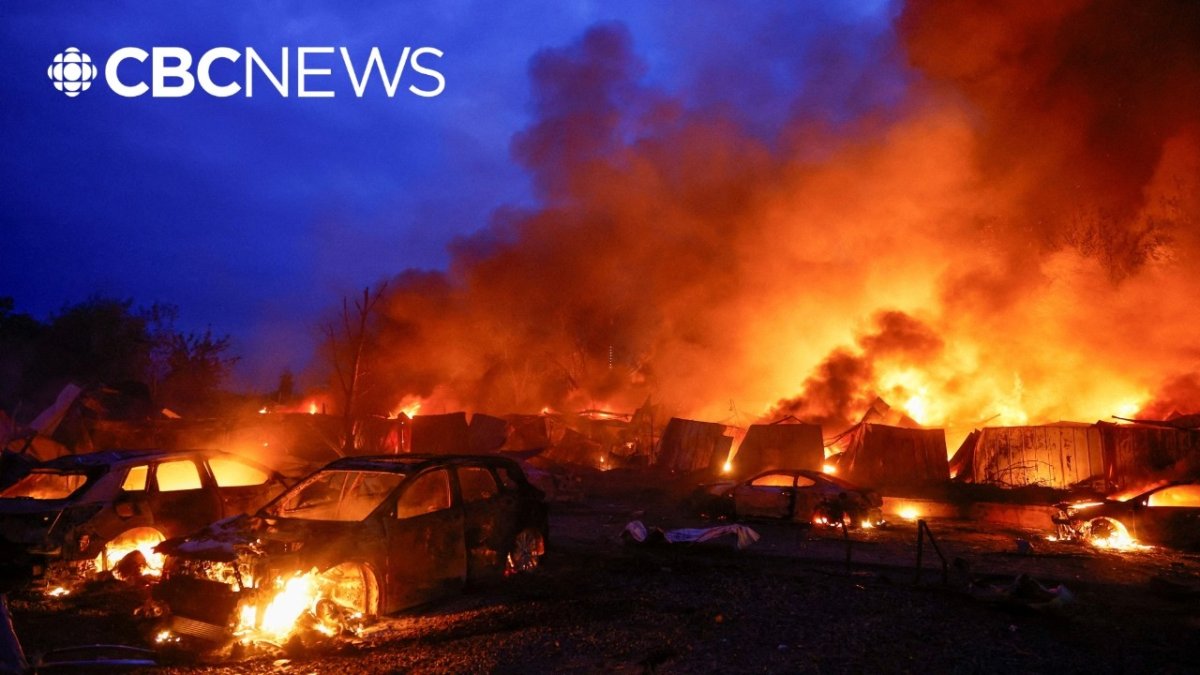
Residents of Kyiv sought refuge in metro stations and designated shelters as air raid sirens sounded ahead of the Russian missile and drone waves. The strikes that penetrated defences caused direct hits on apartment buildings forcing families into temporary displacement while emergency crews searched the rubble. Hospitals across the capital treated dozens of wounded individuals with injuries ranging from blast trauma to structural collapses. Local authorities reported that power and water services faced disruptions in affected districts following the overnight assault.
The partial collapse of one residential building left many without immediate housing options and highlighted the vulnerability of civilian infrastructure to ballistic missile impacts. Community organisations in Kyiv organised aid distribution for those displaced by the attack that killed 11 people. This incident follows closely after Thursday's deadly strike which already strained local resources and emergency response capacity. Canadian humanitarian contributions have supplemented these efforts through established channels though the focus remains on military support.
Daily life in the Ukrainian capital has adapted to repeated threats with residents monitoring official alerts and preparing go-bags for potential evacuations. The failure to intercept any of the 23 ballistic missiles amplified public anxiety about future attacks. Schools and workplaces in targeted areas closed temporarily as assessments of damage continued into Monday July 6 2026. These disruptions affect the broader population and underscore the human dimension of the conflict for Canadian audiences following developments from afar.
Infrastructure repairs in Kyiv now require additional resources that could otherwise support frontline operations. The oil terminal fire at Kerch port adds economic pressure through potential fuel supply constraints. Residents interviewed in the aftermath expressed determination to endure while calling for stronger international intervention. Canadian policymakers recognise that prolonged civilian hardship in Ukraine influences public support for ongoing aid programs funded by taxpayers.
Zelenskyy's Call to Allies
President Volodymyr Zelenskyy issued advance warnings about the incoming Russian attack and later urged NATO leaders to deliver strong decisions on air defence enhancements during the Ankara summit. His statements emphasised the need for accelerated deliveries of systems capable of countering ballistic missiles that proved decisive in the Monday July 6 2026 strikes. Ukrainian officials have documented the specific shortfall where none of the 23 ballistic projectiles were stopped. These appeals carry weight for Canadian representatives who will participate in the alliance discussions.
The call for robust air defence commitments aligns with Canada's existing provision of related components in its military aid packages to Ukraine. Zelenskyy highlighted how previous support has helped but requires expansion to match the scale of Russian operations involving 68 missiles and 351 drones. Canadian defence officials have reviewed these requirements in preparation for the summit where procurement and funding decisions will be addressed. The emphasis on timely action reflects lessons from recent attacks that left residential areas exposed.
Allied coordination on air defence also ties into broader NATO strategy discussions that include Canadian perspectives on European security. Zelenskyy noted that effective protection for Ukrainian cities would reduce civilian casualties and allow forces to focus on other fronts. The second major strike on Kyiv in days provides concrete evidence supporting his requests for upgraded capabilities. Ottawa continues to balance these needs with domestic priorities while honouring its NATO commitments.
Canadian engagement with Ukrainian requests dates back through years of Operation Unifier and successive aid announcements. The current situation demonstrates why sustained dialogue between Kyiv and alliance capitals remains essential. Zelenskyy's public statements ahead of the summit set clear expectations for outcomes that could influence the conflict's direction. These developments matter for Canadian foreign policy as they test the practical application of collective defence principles.
What Happens Next
The NATO summit in Ankara will address immediate responses to the latest Russian attacks including potential new commitments on air defence systems for Ukraine. Canadian representatives will advocate for streamlined delivery mechanisms that build on existing contributions through Operation Unifier and direct aid programs. Outcomes from these meetings could determine the pace of equipment transfers in the weeks following Monday July 6 2026. Observers expect discussions to cover both short-term protective measures and longer-term alliance posture adjustments.
Canadian defence spending increases align with NATO targets and support the capacity to sustain assistance to Ukraine amid ongoing threats. The failure of Ukrainian systems to intercept ballistic missiles during the overnight attack will likely feature in technical briefings at the summit. Future timelines for additional aid packages depend on decisions made in Ankara and subsequent parliamentary approvals in Ottawa. These steps carry implications for Canadian industry involved in producing artillery and air defence components.
Monitoring of the Kerch port situation and further Ukrainian responses will continue as the conflict evolves beyond the immediate strikes on Kyiv. Canadian officials maintain regular contact with NATO partners to coordinate messaging and resource allocation. The human impact on Kyiv residents reinforces the urgency of diplomatic and military efforts to stabilise the situation. Analysis from Canadian think tanks suggests that consistent support helps deter wider escalation that could affect transatlantic security.
Ultimately the events of July 6 2026 illustrate the interconnected nature of European defence and Canadian interests within NATO. Continued engagement through training programs and material aid positions Canada to influence outcomes at the Ankara gathering. The path forward requires measured commitments that balance immediate needs with sustainable alliance strategies. Canadian readers can track developments through official government channels and parliamentary updates in the coming days.
By Alex Thompson, Staff Writer
This article was produced with AI-assisted research and editorial support. Reporting is based on sources cited in the article.
What's Your Reaction?
 Like
0
Like
0
 Dislike
0
Dislike
0
 Love
0
Love
0
 Funny
0
Funny
0
 Wow
0
Wow
0
 Sad
0
Sad
0
 Angry
0
Angry
0

Canada Correspondent at Global1.News. Based in Toronto, covering Canadian politics, energy, trade, and US-Canada relations. Provides the Canadian perspective on North American and global affairs.













Comments (0)