
Fleeing the War: From Taiz to al-Safia
Fleeing the War: From Taiz to al-Safia Afnan al-Soroori, 22, once lived a comfortable middle-class existence with her family in Taiz, Yemen's third-largest city. She attended Taiz University alongside other female students, moved about the city with relative freedom, and contributed to household tasks supported by electric appliances that eased daily routines. Her life reflecte
Fleeing the War: From Taiz to al-Safia
Afnan al-Soroori, 22, once lived a comfortable middle-class existence with her family in Taiz, Yemen's third-largest city. She attended Taiz University alongside other female students, moved about the city with relative freedom, and contributed to household tasks supported by electric appliances that eased daily routines. Her life reflected the opportunities available to young women in an urban setting where clothing styles and social interactions followed patterns common among educated families.
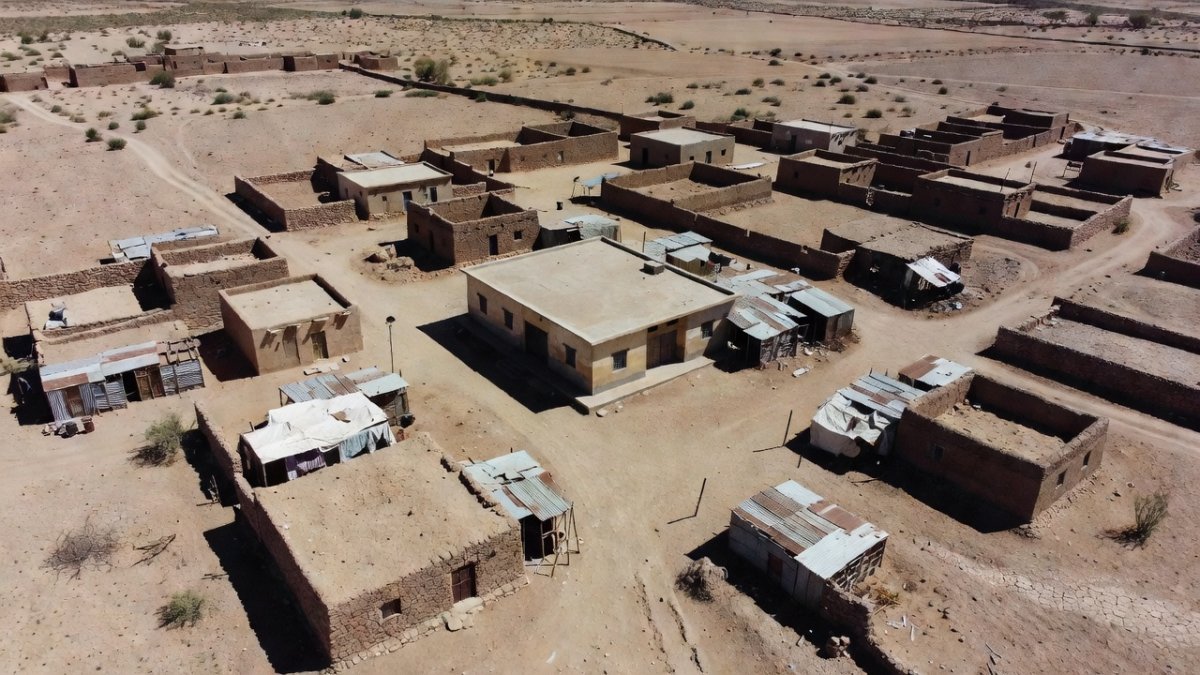
The advance of Houthi forces toward her neighborhood in 2015 upended that stability. Her family joined others in fleeing the city, traveling 65 kilometers to seek shelter in a makeshift camp set up inside a school in the al-Safia area. They left behind furniture, appliances, and the routines that had defined their days, arriving with little more than the clothes they wore.
Conditions in the camp quickly revealed the depth of the change. Without an electric oven or washing machine, Soroori now prepares meals over firewood using two stones as a makeshift stove. She washes the family's clothing by hand in a large bowl in the school courtyard, and the repeated labor has left her hands rough and callused. Her father has been unable to find work, so the family depends on whatever limited resources they can gather each day.
The physical demands of survival occupy most hours from dawn until after dark. Simple chores that once took minutes now stretch into exhausting sequences. The contrast between her previous access to modern tools and the manual methods required here underscores how displacement strips away layers of security that urban families had taken for granted.
Confinement and Harassment
Women in the camp face strict limits on movement that extend beyond practical concerns. Soroori has found it difficult to adjust to the absence of appliances, yet she identifies the inability to leave the camp grounds as the most painful restriction. Any attempt to step outside the gates draws immediate attention from groups of young men who gather nearby.
She describes hearing shouted insults and seeing obscene gestures whenever she tries to exit, especially in the afternoon hours. These encounters have taught her and other women to remain inside the school compound rather than risk further confrontations. The pattern repeats often enough that staying within the gates becomes the default choice for safety.
The shift from urban independence to rural confinement affects every aspect of daily life. In Taiz, Soroori could visit friends or run errands without constant oversight. In al-Safia, the same clothing styles that once felt ordinary now mark her as an outsider, turning ordinary movement into a calculated risk. She speaks of a stretch of green land visible from the camp that she knows exists but cannot reach.
Blamed for Their Own Victimization
Soroori's father approached local tribal elders and religious leaders in nearby mosques to ask that young men in the area show respect toward the displaced women. His appeals received no support. Instead, the responses focused on criticism of the women's clothing and manner of speaking, with accusations that their choices invited the attention they received.
Sheikh Mohammed Gobah expressed regret that harassment had become common yet placed responsibility on what he called the immodesty of city women. Similar views surfaced among other local men, who directed their frustration at the newcomers rather than addressing the behavior of their own sons. Families from Taiz rejected these interpretations as inconsistent with their understanding of faith and custom.
Some women tried adopting the more conservative abayas worn by rural residents, hoping the change would reduce incidents. The adjustments brought no relief. Harassment continued even after these efforts, leaving the women with few options beyond remaining inside the camp boundaries. The father's decision to instruct his wife and daughters to stay put reflects the absence of any workable alternative.
Yemen's Displacement Crisis
The conflict that began in 2014 has produced widespread movement of people across Yemen as fighting between Houthi forces and opposing groups intensified. Families from cities like Taiz have joined streams of others seeking safety in areas less directly affected by active combat. The resulting camps often form in schools, abandoned buildings, or open land where basic services remain scarce.
Women bear particular burdens when social networks built over years in one place are suddenly severed. Without extended family nearby or familiar economic activities, they lose both protection and income sources that previously supported daily life. The move from Taiz to al-Safia illustrates how urban residents encounter entirely different expectations once they enter rural settings.
Displacement does not end with arrival at a camp. It creates ongoing conditions where previous freedoms must be renegotiated against local norms. For women who grew up with access to education and public movement, the new restrictions compound the losses already suffered from leaving their homes.
When Traditional Justice Fails
Tribal mechanisms that resolve disputes in rural communities rely on established family ties and shared lineage. Displaced families from Taiz lack these connections, leaving them without advocates who can press claims effectively. Appeals to elders therefore produce little change because the women hold no recognized standing within the local structure.
The gap between urban and rural expectations becomes visible in everyday interactions. City women accustomed to fitted abayas and visible faces encounter demands for full coverage that extend even to behavior and speech volume. When these differences surface, the response often frames the newcomers as the source of tension rather than acknowledging the harassment they face.
Without family networks or tribal protection, the women remain outsiders whose concerns receive little priority. The result is a practical isolation that the camp boundaries reinforce. Traditional avenues for redress close when those seeking help cannot meet the requirements of belonging that local systems assume.
The Toll on Women's Lives
Extended confinement affects both mental outlook and practical prospects. Women who once attended university or contributed to household income now spend their days within the school grounds, unable to pursue studies or seek employment. The loss of independence adds to the strain already created by the war that forced their departure from Taiz.
Economic pressures mount as fathers remain without work and resources dwindle. The double weight of conflict-driven displacement and social restrictions leaves little room for recovery. Daily routines centered on manual labor replace the varied activities that once filled their time.
Over months, the pattern of staying inside becomes normalized even as it limits future options. Young women like Soroori face indefinite suspension of the plans they held before the fighting reached their city. The combination of physical hardship and enforced isolation shapes a narrower existence than the one they left behind.
A Word from Mariam Abdul-Qader
Mariam Abdul-Qader, 23, also lives in the al-Safia camp. She obtained clothing similar to that worn by local women yet found that recognition persisted through other details. Youths identified her by the sandals on her feet and the way she walked, continuing to direct abuse toward her despite the effort to blend in.
Women from the camp sometimes move in groups when they must leave the grounds, hoping numbers will reduce the likelihood of individual targeting. Even this precaution has not prevented name-calling or aggressive approaches. The shared experience has drawn the women closer, but it has not altered the behavior they encounter outside the gates.
Abdul-Qader expressed frustration with the war that removed them from their homes and placed them among people she described as failing to recognize the hardship they endure. Her account highlights how attempts to adapt meet resistance rooted in visible differences that locals continue to notice and resent.
Uncertain Futures
Camps established as temporary refuges show signs of becoming longer-term arrangements when fighting shows no immediate end. Families that arrived expecting a short stay now confront the possibility that return to Taiz remains distant. The restrictions that began as safety measures settle into permanent features of daily life.
Restoring dignity for these women would require addressing both the conflict that displaced them and the social barriers that confine them in their new surroundings. Without movement on either front, the pattern of harassment and isolation continues to shape the years ahead for those who fled Taiz.
By Fatima Al-Rashid, Staff WriterThis article was produced with AI-assisted research and editorial support. Reporting is based on sources cited in the article.
What's Your Reaction?
 Like
0
Like
0
 Dislike
0
Dislike
0
 Love
0
Love
0
 Funny
0
Funny
0
 Wow
0
Wow
0
 Sad
0
Sad
0
 Angry
0
Angry
0

Gulf/MENA Correspondent at Global1.News. Based in Doha, covering Gulf politics, energy markets, diplomacy, and development across the Middle East and North Africa. Tracks the economic transformation of the Gulf states.














Comments (0)