
A Long and Costly Road: Filipinos With PTSD on the Precarious Path to Healing
A Long and Costly Road: Filipinos With PTSD on the Precarious Path to Healing The Nightmares That Haunt Young Filipinos Juan Miguel Antonio, not his real name, wakes at 3 a.m. with a gunshot echoing in his mind. His heart races as sweat beads on his temples. He reaches for alprazolam from the bedside drawer to ease the panic attack, then takes propranolol to calm the palpitatio
A Long and Costly Road: Filipinos With PTSD on the Precarious Path to Healing
The Nightmares That Haunt Young Filipinos
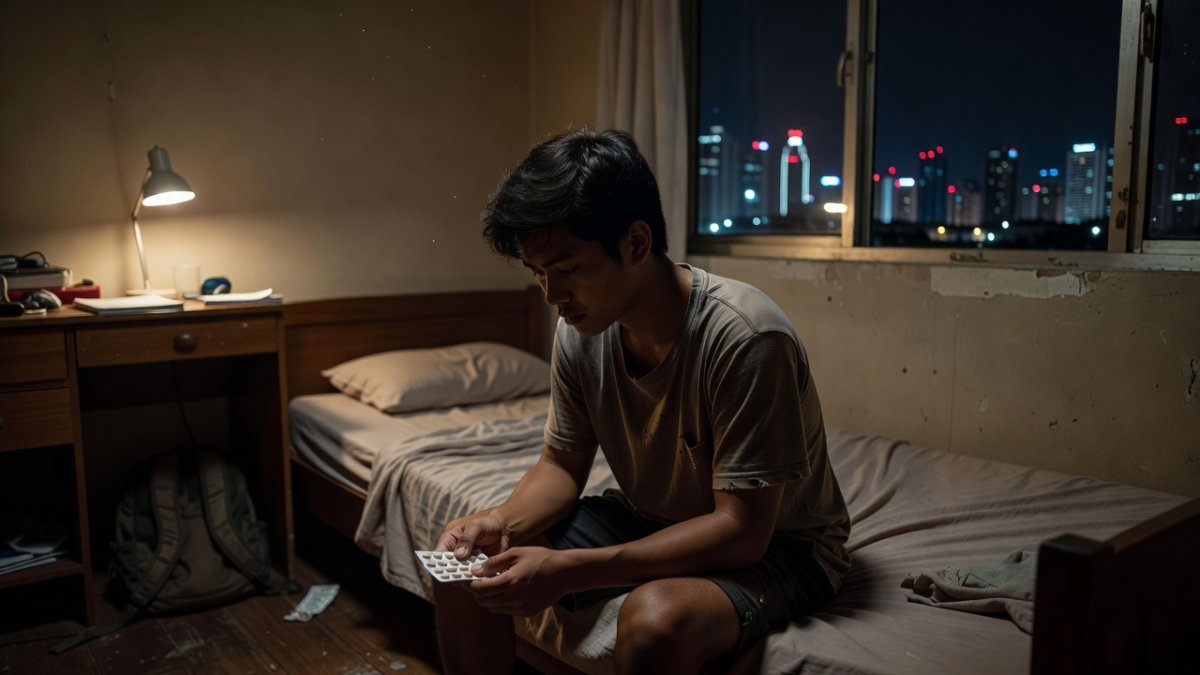
Juan Miguel Antonio, not his real name, wakes at 3 a.m. with a gunshot echoing in his mind. His heart races as sweat beads on his temples. He reaches for alprazolam from the bedside drawer to ease the panic attack, then takes propranolol to calm the palpitations. Fifteen minutes later his breathing steadies, but the empty blister packs remind him that another search for medication lies ahead.
Antonio has lived with persistent nightmares and anxiety that shatter his sleep for years. His parents did not believe in psychiatrists or psychologists, delaying any professional help until 2025. Only after repeated efforts did he receive a PTSD diagnosis in June last year and begin prescribed treatment with alprazolam and the antidepressant sertraline. The condition traces back to childhood abuse that continued into adulthood through insults and emotional withholding.
Daily Searches Across Manila for Essential Supplies
Every night brings the same white-knuckling uncertainty for people like Antonio. When stocks run low, he must travel 30 minutes to De La Salle University Medical Center because that is often the only pharmacy where he can obtain his medications. Sometimes even that location lacks the cheaper alternatives he needs, turning a simple refill into a frustrating and time-consuming ordeal.
Ordinary Filipino students face the same barriers. Venella Angeles, a Manila pharmacist with seven years of experience, sees five to ten customers each day seeking antidepressant medications, most of them students. These young people juggle classes and part-time work while trying to maintain steady supplies of regulated drugs that cannot be bought easily over the counter.
FDA Rules That Shape Every Purchase
The Food and Drug Administration classifies psychiatric medications such as alprazolam as regulated drugs or dangerous drugs. This labeling prevents over-the-counter sales and requires careful monitoring. FDA-verified information notes that alprazolam carries a known risk of abuse and diversion, especially when combined with opioids, alcohol, or other benzodiazepines, a combination linked to overdose-related deaths.
Patients must also avoid abrupt discontinuation of alprazolam. Sudden dose reduction without medical supervision can trigger withdrawal symptoms and severe complications including seizures and convulsions. Sertraline carries its own cautions, with FDA guidance highlighting risks of suicidal thoughts and behaviors in pediatric and young adult patients. Safety for both alprazolam and sertraline has not been established in patients under 18 years of age.
Stigma Within Families and Communities
Many Filipino families still hesitate to accept mental health care. Antonio’s parents refused to consider psychiatrists or psychologists for years, leaving him to manage symptoms alone until 2025. This cultural reluctance adds emotional weight to an already heavy burden, forcing individuals to hide their struggles while symptoms disrupt sleep, work, and studies.
Students who visit Manila pharmacies daily often navigate these attitudes at home and in school. The need to explain repeated trips for medication can invite judgment, making the path to consistent treatment even more isolating for young adults already dealing with anxiety and trauma.
The Pandemic’s Lasting Mark on Demand
Angeles observed that demand for antidepressant medications began to spike during the height of the Covid-19 pandemic. A World Health Organization scientific brief recorded a 25 percent global surge in anxiety and depression cases during the pandemic’s first year. In Manila drugstores this translated into more students and families seeking help for conditions like PTSD that require steady access to medications such as sertraline.
Market trends mirrored the rise, with the antidepressants sector growing from 17.33 billion dollars in 2024 to a projected 17.9 billion dollars the following year. Yet the increase in need has not simplified access for patients who must still travel long distances and contend with stock shortages at regulated outlets.
Small Steps Toward Reliable Healing
For Antonio and others, healing remains a precarious journey marked by nightly vigilance and repeated pharmacy runs. The combination of FDA oversight, limited stock points in Manila, and lingering family doubts creates a long and costly road. Each refill requires planning, travel, and sometimes disappointment when supplies run out.
Pharmacists like Angeles continue to serve as the first point of contact for students and families seeking these medications. Their observations highlight how ordinary Filipinos—students balancing academics, workers managing daily life—must overcome multiple layers of regulation and social hesitation just to maintain basic treatment. The stories of these patients underscore the ongoing need for steadier access within Philippine communities.
By Bella Reyes, Staff WriterThis article was produced with AI-assisted research and editorial support. Reporting is based on sources cited in the article.
What's Your Reaction?
 Like
0
Like
0
 Dislike
0
Dislike
0
 Love
0
Love
0
 Funny
0
Funny
0
 Wow
0
Wow
0
 Sad
0
Sad
0
 Angry
0
Angry
0

Philippines/Southeast Asia Correspondent at Global1.News. Manila-based journalist covering Philippine politics, environment, maritime security, and social issues. Passionate about marine conservation and the communities protecting the Philippines' natural heritage.












Comments (0)