
FIFA Under Fire: Infantino, Trump and the Commercialisation of the 2026 World Cup
South African sports fans watching this World Cup have every right to feel conflicted. The tournament being staged across North America delivers breathtaking football — Bafana Bafana's fight for knockout qualification, Morocco's brilliance, the drama of an expanded 48-team format — but it also exposes a deeper tension that affects every fan from Soweto to Polokwane. FIFA Under
South African sports fans watching this World Cup have every right to feel conflicted. The tournament being staged across North America delivers breathtaking football — Bafana Bafana's fight for knockout qualification, Morocco's brilliance, the drama of an expanded 48-team format — but it also exposes a deeper tension that affects every fan from Soweto to Polokwane.
FIFA Under Fire: Infantino, Trump and the Commercialisation of the 2026 World Cup
Atlanta, USA – June 2026 — The 2026 FIFA World Cup runs from June 11 to July 19 across 16 stadiums in the United States, Canada and Mexico, featuring 48 teams and 104 matches. This marks the first edition with a Round of 32 knockout stage after the group phase. South African supporters have followed Bafana Bafana's campaign closely, including their 1-1 draw against Czechia in Group A where Teboho Mokoena scored a late penalty. Yet the commercial decisions shaping this tournament raise serious questions about who the event truly serves.
The 2026 World Cup landscape and Bafana Bafana's role
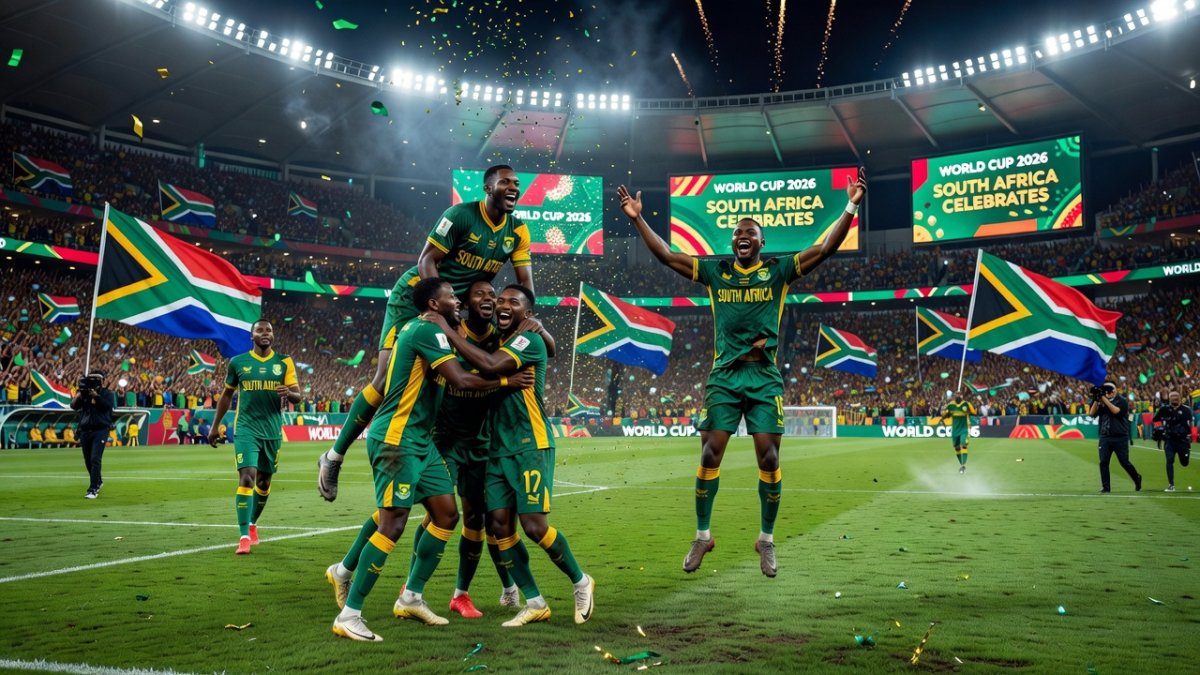
Bafana Bafana entered the tournament alongside Morocco, Senegal and Nigeria as Africa's four representatives. Morocco defeated Scotland 1-0 with Ismail Saibari scoring the fastest goal of the competition so far. These results matter because they show African sides can compete at the highest level when given the platform. South African fans track every point because qualification for the Round of 32 would represent the nation's strongest World Cup performance since 2010.
The expanded format gives more African nations a chance to advance, yet the commercial structure still favours established markets. Bafana Bafana's group stage matches have drawn large television audiences back home through MultiChoice broadcasts. This visibility helps the Premier Soccer League maintain interest, but it also highlights the gap between elite global events and local development structures like the MultiChoice Diski Challenge.
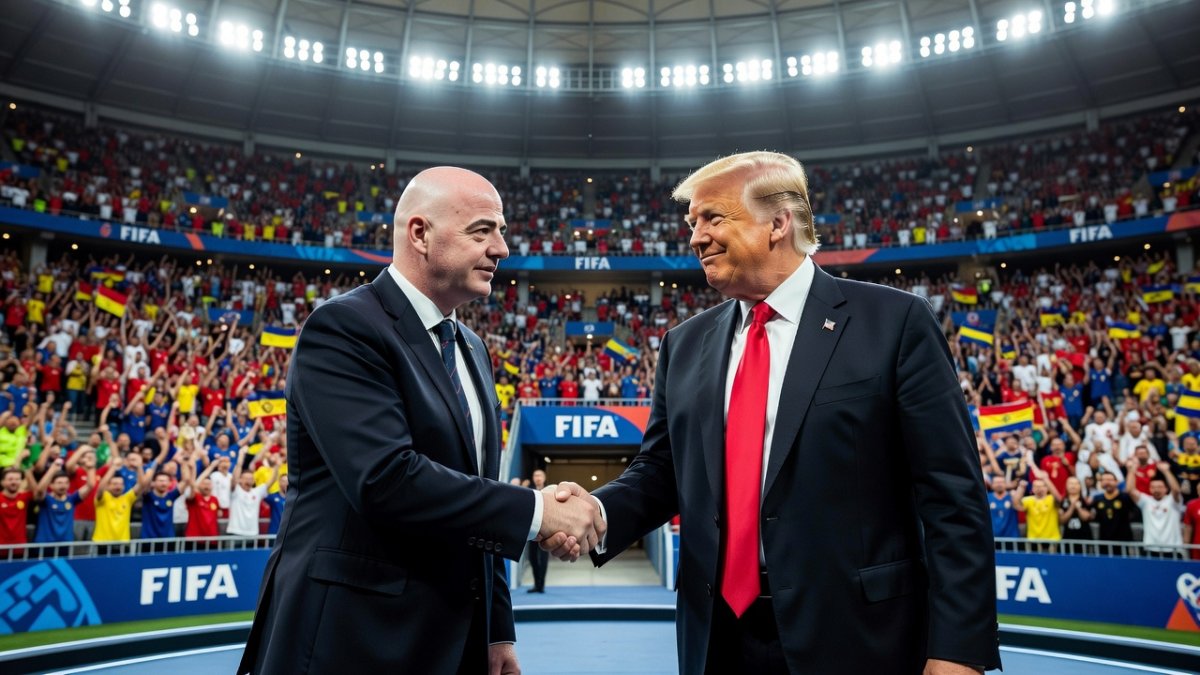
Infantino-Trump relationship and its impact on FIFA governance
Gianni Infantino has served as FIFA President since 2016. He awarded the 2026 hosting rights to the United States-Mexico-Canada bid in 2018 while Donald Trump was in office. Their public appearances together at FIFA events have been described as a bromance. Infantino has used private jets to attend multiple matches daily, drawing criticism over the carbon footprint of such travel.
FIFA pledged 75 million US dollars to Trump's Board of Peace initiative for Gaza reconstruction, including plans for a 20,000-seat stadium. This financial commitment shows how FIFA leadership links tournament hosting decisions to political relationships. For South African football governance, these ties raise concerns about whether future African bids will receive fair consideration when political alliances influence FIFA priorities.
Ticket pricing crisis and its effect on South African fans
Group stage ticket prices for the 2026 World Cup reached up to three times the levels seen at Qatar 2022. The cheapest final ticket at MetLife Stadium in New Jersey costs 3,119 pounds, roughly 70,000 rand. New York and New Jersey attorneys general publicly criticised these prices as impossibly high. UK Prime Minister Keir Starmer called FIFA's ticket pricing unacceptable.
For South African fans earning average salaries, a 70,000 rand final ticket sits far beyond reach. This pricing excludes the very communities that built South Africa's football culture in townships. Supporters who once travelled to Johannesburg's FNB Stadium for domestic matches now watch from afar, widening the divide between the global spectacle and grassroots passion.
The expanded format — opportunity or cash grab for Africa?
The move to 48 teams and 104 matches creates additional revenue streams through broadcasting rights and sponsorships. African federations gain more matches on the biggest stage, yet the financial model concentrates profits at the top. SAFA must navigate these structures while trying to grow participation at home.
Expanded slots allow nations like South Africa to build experience, but the commercial focus risks turning the tournament into a product rather than a sporting celebration. The MultiChoice Diski Challenge and PSL development programmes already struggle with limited resources. FIFA's elite strategy pulls attention and money upward, leaving national associations to bridge the gap with fewer tools.
South Africa's 2010 legacy vs 2026 commercial reality
South Africa hosted the 2010 World Cup with 64 matches across 10 venues, leaving behind infrastructure that still serves the PSL and national teams. That tournament emphasised transformation and inclusivity, connecting township football to the global event. The 2026 model, by contrast, prioritises high-value markets and premium pricing.
The contrast affects how young South African players view their future. In 2010, the legacy included upgraded stadiums and renewed investment in youth structures. Today, the commercial emphasis on North American venues and expensive tickets sends a different message about who belongs at the World Cup. SAFA continues to reference 2010 as proof that Africa can deliver, yet the current FIFA approach tests that belief.
What this means for SAFA, grassroots development, and future African World Cup bids
SAFA's relationship with FIFA determines funding flows and development programmes. When FIFA directs resources toward political initiatives and premium events, national associations in Africa receive less direct support for township leagues and coaching education. The MultiChoice Diski Challenge remains a vital pathway, but it operates on far smaller budgets than the 2026 commercial machine.
Future South African bids for major tournaments will face these same governance realities. Infantino's leadership has shown a willingness to align with powerful political figures. African federations must therefore strengthen their collective voice through CAF to ensure bids from the continent receive equal scrutiny and opportunity.
What to watch for as the tournament progresses
Bafana Bafana's push for Round of 32 qualification will test whether the expanded format truly opens doors. Supporters will also monitor how FIFA handles further ticket sales and any additional political announcements tied to the tournament. The performances of Morocco, Senegal and Nigeria will shape perceptions of African football's standing.
South African fans will continue weighing the excitement of the matches against the exclusion created by pricing and governance choices. The connection between township football and this global spectacle remains real, yet it requires deliberate effort from SAFA and local structures to keep that link alive. The coming weeks will reveal whether FIFA's commercial direction strengthens or strains that bond.
By Dante Williams, Staff WriterThis article was produced with AI-assisted research and editorial support. Reporting is based on sources cited in the article.
What's Your Reaction?
 Like
0
Like
0
 Dislike
0
Dislike
0
 Love
0
Love
0
 Funny
0
Funny
0
 Wow
0
Wow
0
 Sad
0
Sad
0
 Angry
0
Angry
0
Breaking News and Investigations Correspondent at Global1.News. Based in London, covering global breaking news, security, and investigative stories. Known for digging deeper and connecting the dots across continents.









Comments (0)