
Delhi EV Policy 2026: Ambitious Electrification Targets Aim to Cut Vehicular Pollution
Delhi's EV Policy 2026 Targets Vehicular Emissions as Primary Driver of Air Quality Crisis The Delhi EV Policy 2026, approved and effective from July 1, 2026, to March 31, 2030, directly addresses the capital's persistent air pollution by prioritising electrification of two- and three-wheelers. Chief Minister Rekha Gupta announced the framework, which designates the Transport D
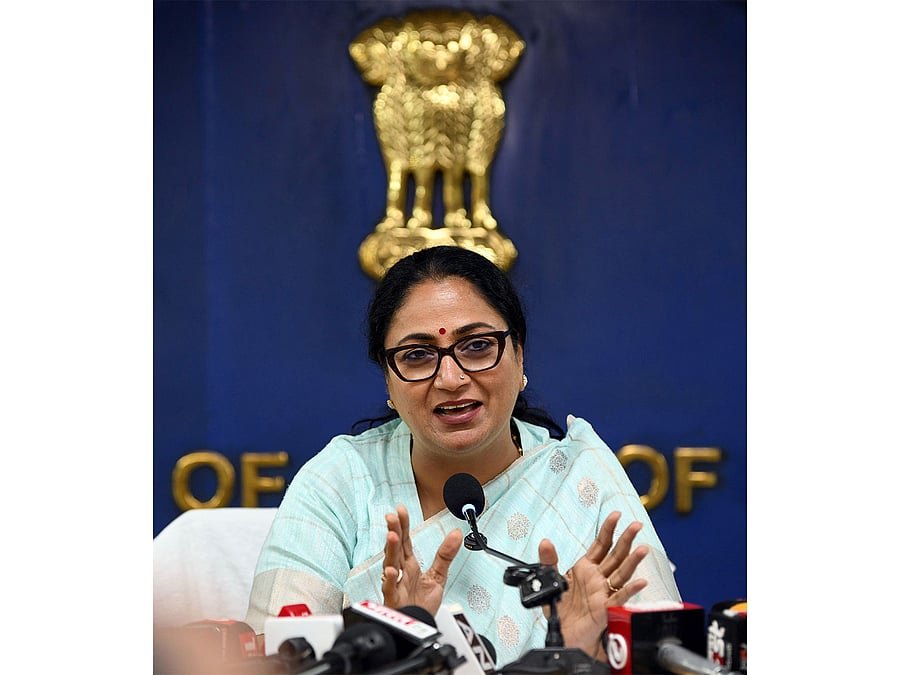
Delhi's EV Policy 2026 Targets Vehicular Emissions as Primary Driver of Air Quality Crisis
The Delhi EV Policy 2026, approved and effective from July 1, 2026, to March 31, 2030, directly addresses the capital's persistent air pollution by prioritising electrification of two- and three-wheelers. Chief Minister Rekha Gupta announced the framework, which designates the Transport Department as the nodal agency with a dedicated EV Cell. Commission for Air Quality Management data shows vehicular emissions contribute 23 per cent to Delhi's air pollution, the highest source during winter months. This policy links transport sector reforms to measurable public health gains through reduced PM2.5 exposure.
Quantifying Two-Wheeler Contributions to PM2.5 and Respiratory Health Burdens
Two-wheelers account for 25 per cent of vehicular PM2.5 pollution in Delhi while comprising 67 per cent of total registered vehicles. These figures establish why rapid electrification of this segment forms the policy core. Fine particulate matter from two- and three-wheelers penetrates deep into lung tissue, elevating risks of asthma, chronic obstructive pulmonary disease, and cardiovascular events among daily commuters and residents in high-traffic zones such as ITO and Ring Road corridors. Three-wheelers and commercial vehicles covering long daily distances amplify disproportionate pollution loads, directly affecting schoolchildren, auto drivers, and street vendors who experience prolonged outdoor exposure.
Incentive Structure and Phase-Out Timeline for Priority Segments
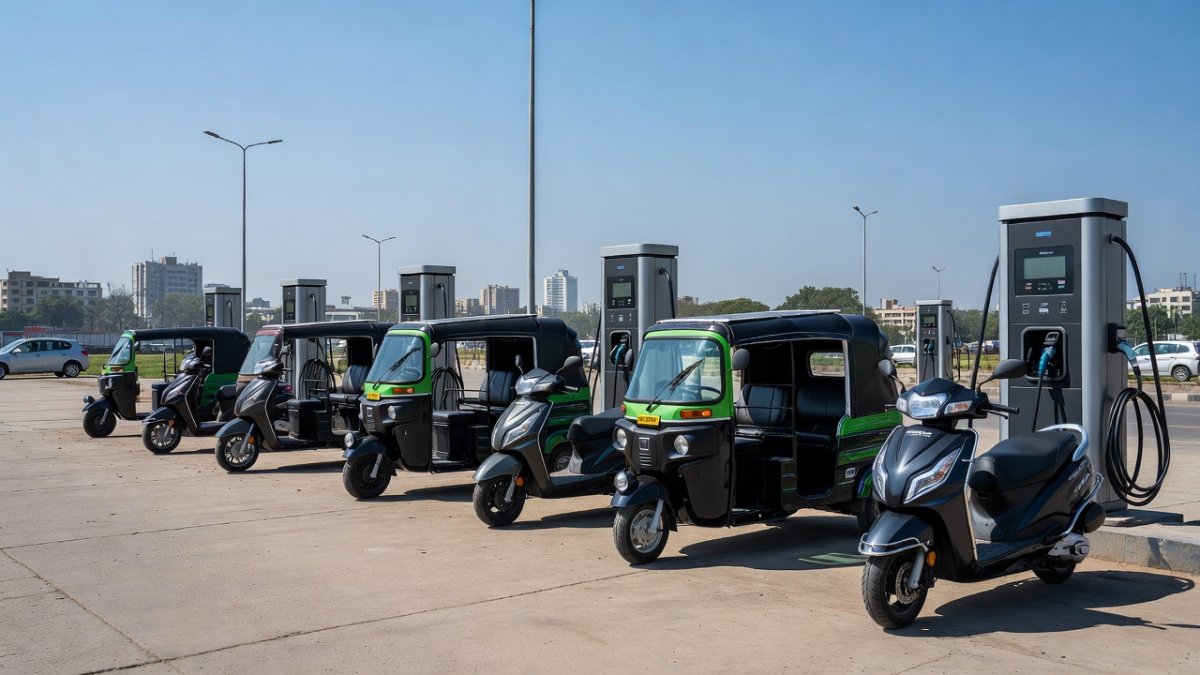
The policy introduces targeted purchase incentives to accelerate adoption: electric two-wheelers receive up to ₹30,000 in Year 1, electric auto-rickshaws qualify for ₹50,000, and electric goods vehicles in the N1 category receive ₹1,00,000. A ₹1 lakh scrappage incentive applies to the first one lakh applicants replacing BS-IV or older cars with new EVs priced under ₹30 lakh. All EVs under ₹30 lakh receive 100 per cent road tax and registration fee waivers, while strong hybrids obtain 50 per cent exemption. From January 1, 2027, only electric auto-rickshaws will be eligible for new registration. From April 1, 2028, no new petrol or CNG two-wheeler registrations will be permitted. These deadlines create clear regulatory pressure that aligns with public health objectives of lowering ambient PM2.5 concentrations.
Infrastructure Rollout and Grid Readiness Challenges
Implementation hinges on deployment of approximately 32,000 public charging points across Delhi alongside battery swapping infrastructure. Delhi Transco Limited serves as the nodal agency for charging networks, supported by single-window clearance for operators. The Model Approval Committee will certify EV models eligible for incentives. While these measures address range anxiety for two- and three-wheeler users, the scale of infrastructure required within four years poses logistical hurdles for the Transport Department. Successful rollout would reduce idling emissions at charging hubs and improve air quality near residential colonies and markets where two-wheelers dominate daily mobility.
Fleet Electrification Targets and ₹15,000 Crore Investment Implications
All new or leased Delhi Government vehicles must be electric, and all new DTC intra-city buses will follow the same mandate. School buses face phased targets: 10 per cent electric by Year 2, 20 per cent by Year 3, and 30 per cent by March 2030. The policy commits ₹15,000 crore over four years to support these transitions. For Delhi citizens, electrified government and school fleets translate to lower pollution exposure on routes serving offices, hospitals, and educational institutions. Auto drivers and small fleet operators stand to benefit from incentive-linked cost reductions, though upfront capital requirements may initially constrain participation among lower-income segments.
Battery Recycling Framework and Long-Term Environmental Health Safeguards
The policy mandates battery traceability, safe recycling, and second-life applications under Extended Producer Responsibility norms, with collection centres established across Delhi. Proper end-of-life management prevents hazardous material leakage that could otherwise contaminate soil and groundwater, indirectly protecting community health. This component ensures the electrification push does not shift environmental burdens from tailpipe emissions to waste streams, maintaining alignment with sustainable public health outcomes over the policy horizon through 2030.
Projected Public Health Outcomes for Delhi Residents and Commuters
By prioritising segments responsible for 25 per cent of vehicular PM2.5 and 67 per cent of vehicle numbers, the EV Policy 2026 offers a data-driven pathway to lower respiratory disease incidence linked to winter pollution spikes. Reduced emissions from two- and three-wheelers would benefit vulnerable populations including children attending schools near major roads and daily wage workers reliant on affordable transport. The combination of scrappage incentives, registration waivers, and infrastructure targets creates economic signals that can accelerate fleet turnover. Sustained execution by the Transport Department and Delhi Transco Limited will determine whether the 23 per cent vehicular pollution share declines measurably, delivering tangible improvements in lung function metrics and hospital admission rates across the National Capital Territory.
— By Dr. Raj Patel, Staff WriterThis article was produced with AI-assisted research and editorial support. Reporting is based on sources cited in the article.
What's Your Reaction?
 Like
0
Like
0
 Dislike
0
Dislike
0
 Love
0
Love
0
 Funny
0
Funny
0
 Wow
0
Wow
0
 Sad
0
Sad
0
 Angry
0
Angry
0

India/South Asia Correspondent at Global1.News. Analytical voice with a background in science and health journalism. Based in New Delhi, covering Indian politics, education, healthcare, technology, and policy. Breaks down complex data into clear, actionable reporting.














Comments (0)