
Deadly blaze at Kenyan girls’ school kills 16, 79 hospitalized
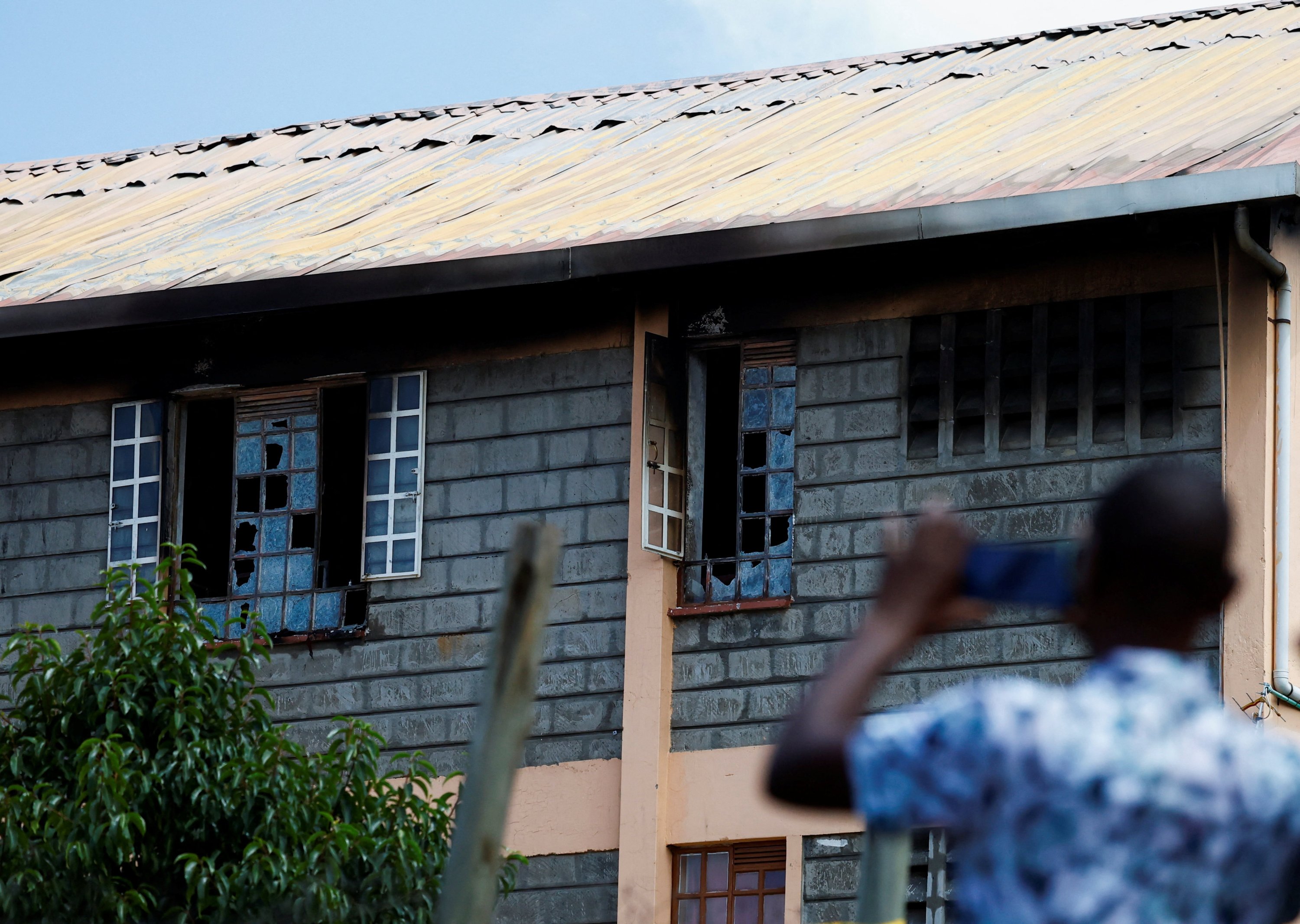
Deadly Blaze at Kenyan Girls’ School Kills 16, 79 Hospitalized: A Recurring Tragedy Exposes Systemic Failures
The fire that tore through a girls’ dormitory in western Kenya on Thursday has claimed 16 young lives and left 79 others in hospital, marking yet another grim chapter in the country’s troubled record of school safety. As details emerge from the scene in what authorities describe as one of the most lethal incidents in recent years, questions mount over preventable conditions that continue to endanger students, particularly girls in boarding facilities.
The Night of the Tragedy
According to preliminary reports from Kenya’s Interior Ministry, the blaze erupted shortly after midnight in a dormitory housing over 200 students at a secondary school in the county of Nyamira. Eyewitness accounts from survivors indicate that the fire began in an electrical outlet area, rapidly spreading through wooden bunks and synthetic mattresses. Thick smoke overwhelmed the single exit route, trapping many inside. Rescue operations by local firefighters and community members lasted several hours, with 16 bodies recovered by dawn. The 79 hospitalized students, many suffering from severe burns and smoke inhalation, were airlifted or transported to facilities in Kisii and Nairobi.
Kenyan President William Ruto has ordered a full investigation, while the Ministry of Education announced the temporary closure of the school. This incident follows a pattern that has persisted despite repeated official promises of reform.
Historical Pattern of School Fires in Kenya
Kenya has witnessed more than 100 school fires since 2000, according to data compiled by the Kenya National Union of Teachers. In 2017 alone, a dormitory fire in a boys’ school in Kakamega killed nine students. Similar tragedies struck in 2016 at a girls’ school in Nyeri and again in 2021, when overcrowding and outdated infrastructure were cited as contributing factors. Government audits have repeatedly flagged issues such as inadequate fire extinguishers, locked exits during nighttime hours, and electrical systems installed decades ago without upgrades.
These fires disproportionately affect girls’ institutions, where boarding enrollment has surged due to cultural and economic pressures pushing families to seek safer educational environments away from home. Enrollment data from the Ministry of Education shows that girls’ secondary boarding schools have seen a 40% increase in student numbers over the past decade, often without corresponding investments in safety infrastructure.
Root Causes and Expert Analysis
Education safety experts point to a combination of rapid expansion, underfunding, and lax regulatory enforcement. Dr. Grace Wanjiku, a Nairobi-based researcher at the African Population and Health Research Center, notes that “electrical faults remain the leading ignition source in 65% of documented cases, yet inspections occur sporadically at best.” Overcrowding exacerbates the problem: dormitories designed for 80 students often house 150 or more, blocking escape paths.
Political analysts in Nairobi argue that successive administrations have prioritized headline-grabbing enrollment drives over maintenance budgets. The 2023 education allocation saw only 8% directed toward infrastructure upgrades, despite parliamentary recommendations for a dedicated safety fund following the 2017 incidents. Opposition leaders have accused the government of negligence, with one MP stating during a press conference that “these deaths are not accidents—they are the predictable outcome of systemic disregard for the most vulnerable.”
Implications for Girls’ Education and National Development
Beyond the immediate human toll, the tragedy threatens to reverse hard-won gains in female literacy and empowerment. Kenya’s net enrollment rate for girls in secondary schools stands at 72%, according to UNESCO figures, yet incidents like this fuel parental reluctance to send daughters to boarding institutions. Long-term studies from the World Bank indicate that each year of secondary education for girls correlates with a 15-20% increase in future earnings and improved community health outcomes.
The psychological impact on survivors cannot be overstated. Counselors deployed to hospitals report widespread trauma, with many students expressing fear of returning to any boarding environment. This could widen existing gender gaps in regions where cultural norms already limit opportunities for young women.
International Context and Calls for Reform
Global education bodies, including UNICEF, have offered support and urged Kenya to adopt comprehensive fire-safety protocols modeled on standards used in countries like South Africa. International donors have previously tied funding to safety audits, but implementation remains inconsistent. The incident also highlights broader challenges facing African nations balancing rapid demographic growth with limited public resources.
As investigations continue, families of the victims await answers and accountability. Memorial services are planned across the affected communities, underscoring a collective demand that this latest loss not fade into the familiar cycle of condolences without change.
This is Malik Hassan for Global1 News, reporting from Beirut. 🇱🇧
This article was produced with AI-assisted research and editorial support. Reporting is based on sources cited in the article.
What's Your Reaction?
 Like
0
Like
0
 Dislike
0
Dislike
0
 Love
0
Love
0
 Funny
0
Funny
0
 Wow
0
Wow
0
 Sad
0
Sad
0
 Angry
0
Angry
0

Middle East Correspondent at Global1.News. Based in Beirut, covering politics, conflict, energy, and society across the Middle East. Brings context and depth to a region often reduced to headlines.















Comments (0)