
Paraguayan Senator's Racist Attack on Mbappe Sparks International Outrage as French Prosecutors Open Investigation
In a recent DW News report, the global backlash against Paraguayan Senator Celeste Amarilla continues to intensify following her racist social media attack on French football star Kylian Mbappe after France defeated Paraguay 1-0 in the World Cup round of 16 on July 4, 2026, in Philadelphia. What began as a post-match controversy has escalated into an international crisis involv
In a recent DW News report, the global backlash against Paraguayan Senator Celeste Amarilla continues to intensify following her racist social media attack on French football star Kylian Mbappe after France defeated Paraguay 1-0 in the World Cup round of 16 on July 4, 2026, in Philadelphia. What began as a post-match controversy has escalated into an international crisis involving the French government, FIFA, the United Nations, and the Paraguayan presidency.
Paraguayan Senator’s Racist Attack on Mbappe Sparks International Outrage as French Prosecutors Open Investigation
Asuncion, Paraguay – This week — The controversy erupted after France’s 1-0 victory over Paraguay in the round of 16 of the 2026 FIFA World Cup, a tournament co-hosted by Mexico, the United States, and Canada. Kylian Mbappe scored the decisive penalty in the 68th minute at the Philadelphia stadium, but the match’s aftermath quickly overshadowed the sporting result. Senator Celeste Amarilla of Paraguay’s Liberal Radical Party took to social media platform X with a series of posts that have been condemned globally as blatantly racist.
The Incident: What Sparked the International Outrage
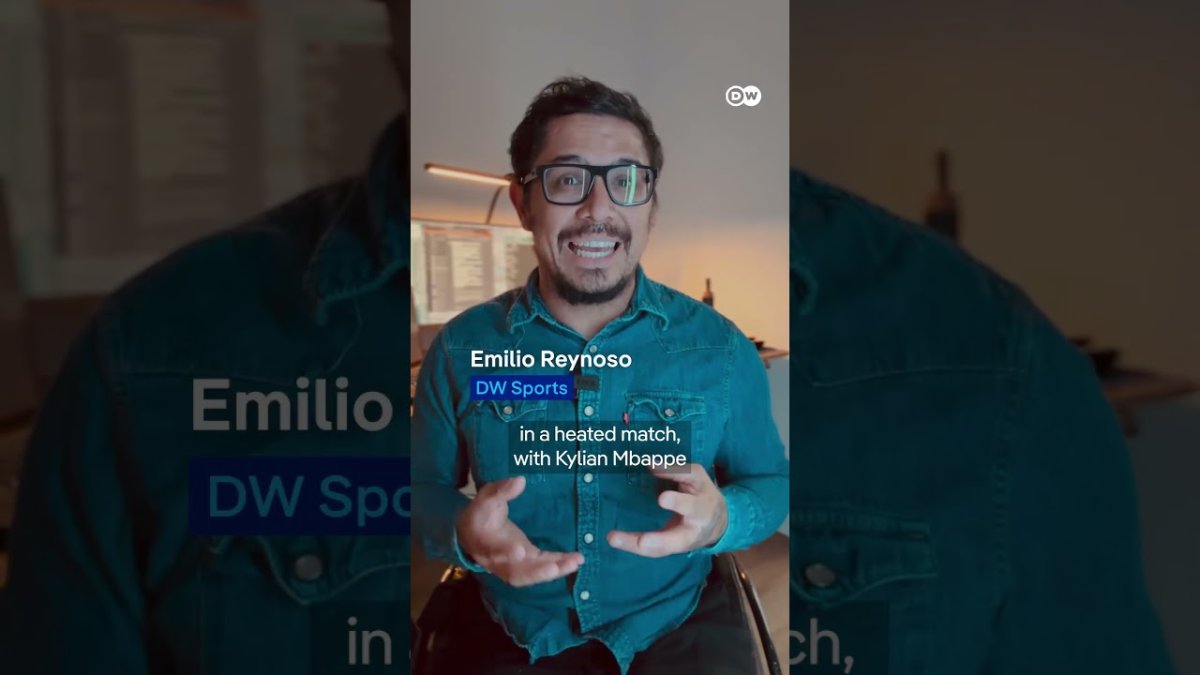
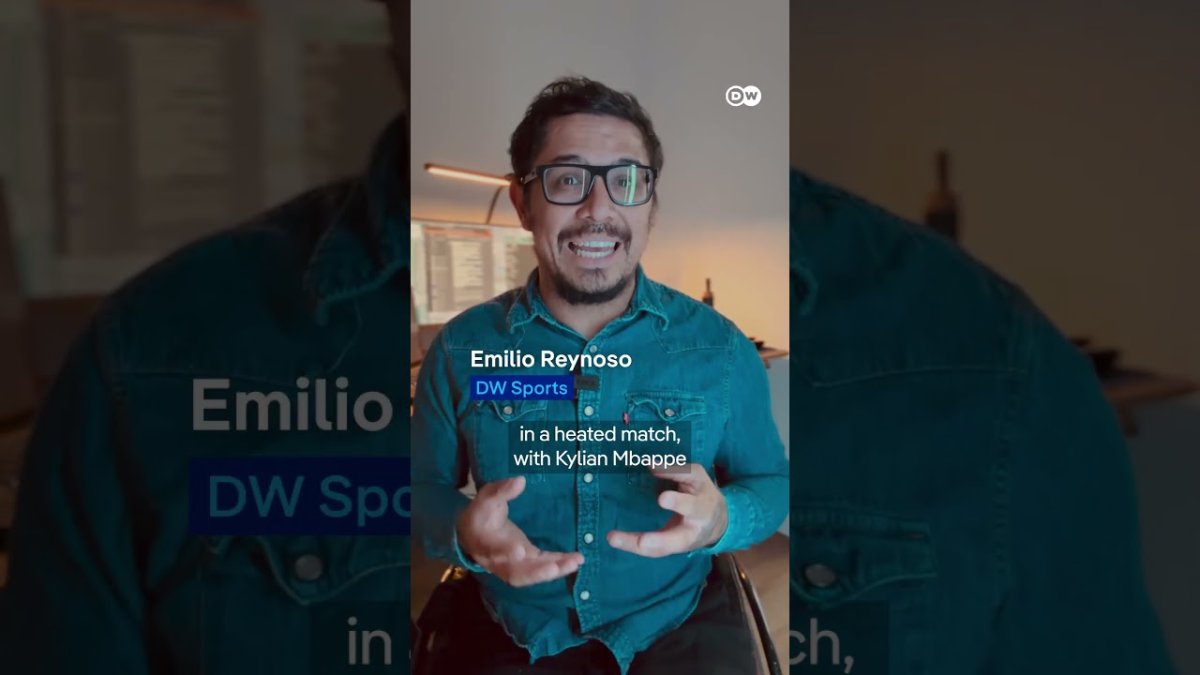
On July 4 2026 in Philadelphia, France defeated Paraguay 1-0 in the World Cup round of 16 thanks to a Kylian Mbappe penalty. The match, part of the tournament co-hosted by Mexico, the United States, and Canada, drew millions of viewers across Latin America. Mbappe converted the spot kick in the 68th minute, but the post-match tension escalated when he declined to shake hands with Paraguayan goalkeeper Orlando Gill. A DW News YouTube short captured the moment and quickly spread across social media platforms in Asuncion, Mexico City, and Buenos Aires.
Hours later, Paraguayan Senator Celeste Amarilla of the Liberal Radical Party posted a series of messages on X that ignited global outrage. The timing, coming immediately after Paraguay's elimination, transformed a sporting disappointment into a diplomatic incident. Ordinary Paraguayans watching in bars in Ciudad del Este expressed shock as the senator's words dominated local radio call-in shows the next morning.
The incident highlighted how social media can amplify individual statements into international crises. Families in rural Paraguay who had gathered to support their national team found themselves discussing racism instead of football tactics. The DW News video, viewed over two million times within 48 hours, brought the story to European audiences already sensitive to issues of discrimination in sport.
The Full Scope of the Racist Insults
Amarilla's posts contained explicit insults directed at Mbappe, calling him a "moron" and a "colonized Cameroonian" while accusing him of being "full of inferiority complexes, nouveau riche, arrogant, ugly." She further claimed that "instead of mother's milk, he sucked on coconuts" and that "the most educated things he heard were chimpanzees." These phrases drew on longstanding anti-Black stereotypes prevalent in parts of Latin America, where people of African descent have historically faced marginalization despite the region's diverse populations.
The language echoed colonial-era tropes that dehumanize Black individuals by associating them with animals or primitive origins. In Paraguay, where Afro-descendant communities remain small but present, such rhetoric struck a nerve with activists who have long campaigned against everyday discrimination in employment and education. Mbappe's French-Cameroonian heritage made the attack particularly pointed, reviving debates about how Latin American elites sometimes project racial anxieties onto international figures.
Human impact rippled outward immediately. Young Black athletes in Mexican and Brazilian academies reported increased online harassment in the days following the posts. Community leaders in Asuncion noted a rise in tense conversations within mixed families about identity and belonging. The insults did not remain abstract; they reinforced barriers that ordinary citizens of African descent navigate daily across the continent.
Mbappe Fires Back: A Captain's Response
Kylian Mbappe responded swiftly on X, labeling Amarilla a "despicable woman" who was "unworthy of office" and had presented the "worst possible image of country through blatant racism." His measured yet firm tone resonated with supporters worldwide. The French Football Federation announced it would file a criminal complaint, with President Diallo stating that attacks on Mbappe constituted attacks on France itself.
French President Emmanuel Macron publicly expressed solidarity with the player, underscoring national unity behind the team captain. Mbappe's words carried weight not only as an athlete but as a symbol of multicultural France. In Latin American households where his performances inspire youth, the response was viewed as a dignified stand against prejudice.
The federation's legal move signaled that sports bodies would no longer tolerate such attacks. Players in Paraguay's domestic league watched the developments closely, aware that their own careers could intersect with similar issues during international tournaments. Mbappe's stance empowered athletes across the region to speak out.
French Prosecutors Open Criminal Investigation
French prosecutors opened an investigation into aggravated public insult and incitement to hatred. The charges carry potential fines and prison time, reflecting France's strict laws against racist speech. Because the posts targeted a French citizen and were accessible globally, authorities asserted jurisdiction despite Amarilla's location in Paraguay.
Legal experts noted that international cooperation through Interpol or bilateral agreements could allow evidence gathering. The investigation timeline is expected to unfold over several months, with possible summons for Amarilla. For ordinary French citizens of immigrant backgrounds, the move reinforced that the state would defend them against foreign attacks.
The case also raises questions about accountability for elected officials abroad. In Paraguay, citizens following the news expressed hope that similar standards might apply locally to protect vulnerable communities from inflammatory rhetoric by politicians.
Global Condemnation: From Infantino to the United Nations
FIFA President Gianni Infantino condemned the remarks "unequivocally," declaring that the organization "must fight racism and defeat it together." The United Nations Human Rights Commission described the comments as "vile" and "racist," calling for accountability. These statements from major international bodies amplified pressure on Paraguayan authorities.
Additional reactions came from football federations in Mexico and Brazil, both co-hosts of the 2026 tournament. The chorus of disapproval crossed political lines, uniting figures who rarely agree on other issues. For fans in working-class neighborhoods of Montevideo and Lima, the unified response offered reassurance that racism in football would face consequences.
The global outcry demonstrated how incidents involving high-profile athletes can spotlight broader societal problems. Everyday people in Latin America saw their own experiences reflected in the condemnation, prompting renewed discussions in schools and workplaces about respectful discourse.
Paraguay's Government in Damage Control
Paraguayan President Santiago Pena swiftly condemned the remarks, while the foreign ministry distanced itself from the senator. The Liberal Radical Party faced internal pressure to clarify its position. Political fallout in Asuncion included calls for Amarilla's resignation from opposition figures and civil society groups.
The government's rapid response aimed to protect Paraguay's international image ahead of regional summits. Yet ordinary citizens expressed frustration that one politician's words could overshadow national achievements in other areas. Street vendors in Asuncion reported customers avoiding conversations about the World Cup, preferring safer topics.
The episode exposed tensions within Paraguay's political class regarding race and representation. Community organizers noted increased interest in workshops on intercultural dialogue as residents sought constructive ways forward.
Amarilla's Defense, Regret, and Threat to Sue
In an open letter, Amarilla expressed regret for the comments while claiming that as a Latina she had also faced racism. She threatened to sue Mbappe for defamation. Days later, however, she doubled down on her original statements during a local radio interview, undermining the apology.
The "I'm also a victim" defense drew sharp criticism for deflecting responsibility. Observers pointed out that personal experiences do not justify targeting others with dehumanizing language. In Paraguay, women of color voiced disappointment that an elected female leader had chosen this path.
The threat of legal action against Mbappe appeared unlikely to succeed given the public nature of the original posts. For citizens following the story, the episode illustrated the challenges of holding public figures accountable when they refuse full ownership of their words.
Latin American Reckoning: Racism, Power, and Accountability
The controversy forces a regional examination of anti-Black racism that persists in Latin American societies despite official narratives of racial harmony. As Mexico prepares to co-host the 2026 World Cup alongside the United States and Canada, the incident serves as a reminder that stadiums and streets must be safe for all participants. Elected officials like Amarilla wield influence that can either heal or divide communities.
Ordinary people bear the heaviest burden when such rhetoric circulates. Black families in Paraguay and neighboring countries report heightened anxiety about public spaces and online interactions. The case underscores the need for stronger mechanisms to sanction public officials who cross lines of decency.
Accountability extends beyond one senator. It requires honest conversations in classrooms from Buenos Aires to Managua about the continent's African heritage and the contributions of Afro-Latin American citizens. Only through sustained effort can the region move toward genuine inclusion.
What to Watch For
French investigators are expected to request cooperation from Paraguayan authorities within weeks, potentially leading to formal interviews. FIFA may impose additional disciplinary measures on Amarilla or her party ahead of future qualifiers. In Paraguay, the Liberal Radical Party faces internal elections that could determine Amarilla's political future.
Broader regional conversations are already emerging in academic circles and on social media. Citizens across Latin America will monitor whether this moment translates into lasting policy changes or fades as another news cycle. The human stories behind the headlines, from affected athletes to everyday families, will continue to shape the narrative.
By Rosa Martinez, Staff Writer
This article was produced with AI-assisted research and editorial support. Reporting is based on sources cited in the article.
What's Your Reaction?
 Like
0
Like
0
 Dislike
0
Dislike
0
 Love
0
Love
0
 Funny
0
Funny
0
 Wow
0
Wow
0
 Sad
0
Sad
0
 Angry
0
Angry
0
Latin America/Andes Correspondent at Global1.News. Based in Bogota, covering politics, environment, energy, and social movements across the Andean region. Passionate about environmental journalism and communities protecting their land.










Comments (0)