
David Streever Sues ICE Over Free Speech: One Email Triggered a Federal Showdown
Folks, buckle up because what started as one angry email from a tech worker in Rochester has exploded into a full-blown federal showdown over your right to speak your mind without the feds breathing down your neck. On July 6, 2026, David Streever, a 45-year-old father and software engineer, walked into federal court in Washington, D.C., backed by the Foundation for Individual R
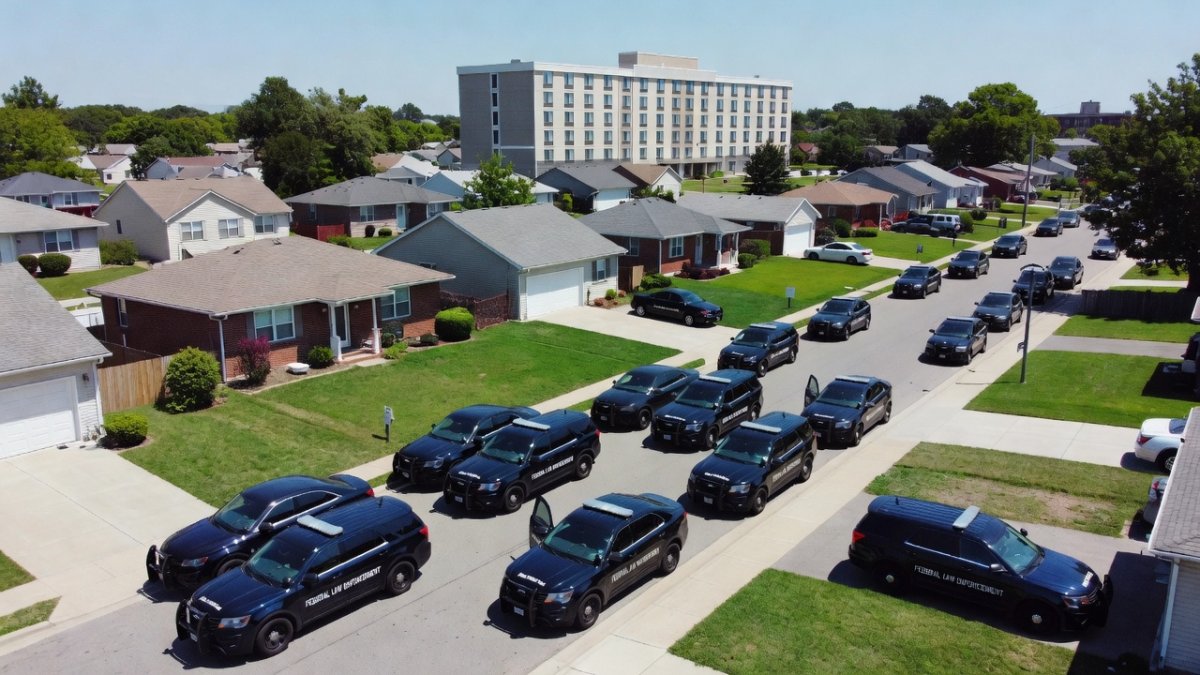
Folks, buckle up because what started as one angry email from a tech worker in Rochester has exploded into a full-blown federal showdown over your right to speak your mind without the feds breathing down your neck. On July 6, 2026, David Streever, a 45-year-old father and software engineer, walked into federal court in Washington, D.C., backed by the Foundation for Individual Rights and Expression, to sue the Department of Homeland Security and Immigration and Customs Enforcement. His claim? That harsh words sent five months earlier triggered government agents to track him across continents and slap him with a threat warning. Let me be crystal clear: this isn't just about one man. It's about whether the First Amendment still means anything when the Trump administration's immigration machine decides your criticism sounds too loud.
The Spark Ignites: Renee Good's Shooting and the Nationwide Protests
It all traces back to January 2026 in Minneapolis. An ICE officer fatally shot Renee Good, a 32-year-old activist and mother of two, during an anti-ICE demonstration outside a local detention facility. According to CNN and USA Today coverage from that week, the shooting happened amid heightened tensions over family separations and deportation raids. Good had been peacefully chanting with hundreds of others when the fatal shot rang out. The officer claimed self-defense, but bodycam footage released days later showed Good unarmed and at least 20 feet away. That single moment lit the fuse for protests that spread from Minneapolis to New York, Chicago, and Los Angeles within 48 hours.
AP and NPR reported that by mid-January, more than 150 demonstrations had occurred across 40 states, with crowds topping 50,000 in major cities. The Trump administration doubled down on enforcement, deploying additional ICE teams and labeling many protesters as threats to national security. Renee Good's name became a rallying cry, her face on signs from coast to coast. Streever, watching from Rochester, felt the same outrage millions shared. The protests weren't abstract; they highlighted real fears that immigration enforcement had crossed into unchecked aggression. Five months later, that same outrage would land Streever in the government's crosshairs.
One Email, One Man's Fury: Streever's Message to Todd Lyons
In the days after the shooting, David Streever sat down at his home computer and typed an email straight to then-acting ICE Director Todd Lyons. The message, quoted directly in the FIRE complaint filed July 6, 2026, called Lyons "a monstrous human being" who "will never know peace" and compared him to a Nazi official overseeing atrocities. Streever didn't mince words. He accused the agency of turning ordinary Americans into targets for speaking out. No threats of violence appeared in the email, just raw condemnation of the shooting and the broader policy machine behind it.
USA Today and NPR both noted that similar angry messages flooded ICE inboxes that month, yet Streever's stood out for its personal tone. He signed it with his full name and Rochester address, never hiding behind anonymity. At 45, with a stable tech job and no criminal record, Streever represented the everyday citizen pushed to the edge by headlines. The email landed in January 2026, right as protests peaked. Five months passed without incident. Then the government responded in a way that turned private speech into public surveillance.
Tracked Across Borders: DHS Agents at Home and the Hotel Warning
By June 2026, Streever was overseas on a long-planned family vacation when DHS agents showed up at his Rochester home. Neighbors told local reporters the agents asked pointed questions about Streever's travel plans and political views. The agents then tracked him to a hotel in upstate New York upon his return, leaving a formal notice under his door. That notice, detailed in the July 6 lawsuit, warned that his January email "could be considered an illegal threat" and hinted at possible prosecution. No charges were filed, but the message was unmistakable: the government had been watching.
According to the FIRE complaint and corroborating AP reporting, agents used flight records and hotel bookings to locate Streever while he was still abroad. The notice referenced specific phrases from the email, proving they had read and retained it for months. Streever returned to find his family rattled and his name now in federal files. This wasn't a casual inquiry. It was a calculated show of force designed to make one citizen think twice before criticizing again. The timeline from January email to June tracking reveals a five-month window where the administration chose surveillance over dialogue.
The Lawsuit Drops in D.C.: Streever Fights Back with FIRE
On July 6, 2026, David Streever filed his federal complaint in Washington, D.C., court, represented by the Foundation for Individual Rights and Expression. The suit names DHS and ICE as defendants and argues that the investigation and warning notice violated his First Amendment rights. Streever's own words in the filing cut straight to the heart: "If the government can investigate and threaten prosecution of anyone who sends a harsh email, then the First Amendment means nothing." FIRE attorneys cited precedents protecting even offensive political speech, noting the email contained no true threats of violence.
CNN and NPR highlighted that this case arrives amid the Trump administration's aggressive immigration enforcement push, with ICE budgets up 25 percent since January and new directives encouraging rapid response to critics. The lawsuit seeks to halt any further investigation, expunge records of the email, and force policy changes on how citizen complaints are handled. Streever, described in court papers as a private citizen with no history of violence, now stands as the test case for whether online outrage can trigger federal tracking. The filing marks the first major legal challenge tying the Renee Good protests directly to free-speech retaliation claims.
Free Speech on the Line: The Chilling Effect No One Can Deny
Let me be crystal clear, folks: this isn't about defending rude emails. It's about stopping the government from turning every sharp word into an excuse for home visits and international tracking. FIRE's complaint points out that the DHS response creates a chilling effect, discouraging ordinary Americans from voicing dissent on immigration policy. With protests still simmering nationwide, the message sent to Streever echoes far beyond Rochester. If one email comparing an official to a Nazi can justify five months of monitoring, then the line between protected speech and "illegal threat" becomes whatever the administration says it is.
Reports from AP, CNN, and USA Today all underscore how this fits a pattern of heightened scrutiny on immigration critics since the January 2026 enforcement surge. Streever's case shows the human cost: a tech worker on vacation suddenly treated like a suspect. The First Amendment doesn't require polite language. It protects the right to call out perceived injustice without fear of federal agents showing up at your door. Anything less turns criticism into a crime, and that road leads straight to silence.
Where We Go From Here: Action Steps to Protect Your Voice
This July 6, 2026, lawsuit isn't the end. It's the opening shot in a battle that will decide whether the Constitution still shields everyday outrage. The broader context of Trump-era immigration crackdowns means more cases like Streever's could surface if agencies keep equating strong words with threats. We need accountability now, not later.
First, contact your representatives in Congress today and demand oversight hearings on DHS surveillance of citizen emails. Second, support organizations like FIRE that are fighting these cases in court with real resources. Third, document every interaction you have with federal agents over political speech and share it publicly through verified channels. Finally, stay loud. The only way the chilling effect wins is if we let one tracked email silence the rest of us. The timeline from Renee Good's shooting to Streever's hotel notice proves the stakes are real and rising fast.
By Jessica Ali, Anchor, Global 1 NewsThis article was produced with AI-assisted research and editorial support. Reporting is based on sources cited in the article.
What's Your Reaction?
 Like
0
Like
0
 Dislike
0
Dislike
0
 Love
0
Love
0
 Funny
0
Funny
0
 Wow
0
Wow
0
 Sad
0
Sad
0
 Angry
0
Angry
0

Editor-in-Chief at Global1.News. Atlanta-based journalist who cuts through the BS and tells it like it is. Lead anchor, host, and the voice you hear when the spin stops and the truth starts.










Comments (0)