
California defeats Tesla's attempt to throw out racial discrimination lawsuit
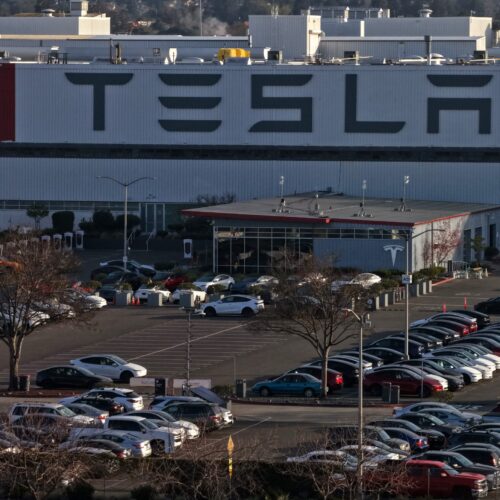
California Smacks Down Tesla’s Bid to Dodge Racial Bias Lawsuit
The California Civil Rights Department just handed Tesla a stinging defeat. A judge tossed the company’s motion to dismiss a four-year-old lawsuit alleging systemic racial harassment and discrimination against Black workers at the Fremont factory. This isn’t a minor procedural hiccup. It keeps the case alive and forces Tesla to face the music on claims that have dogged the automaker since 2021.
Four Years of Legal Stonewalling
The Civil Rights Department filed its complaint in September 2021, laying out a pattern of abuse that included repeated use of the n-word by supervisors and coworkers, display of nooses, and retaliation against employees who complained. The agency documented dozens of specific incidents backed by witness statements and internal records. Tesla responded with the usual corporate playbook: deny everything, claim isolated incidents, and try to bury the case in motions.
Judge Brad Seligman’s ruling this week rejected Tesla’s argument that the state lacked standing or that the allegations were too vague. The court found the complaint sufficiently detailed and timely. That means discovery can proceed, including subpoenas for internal communications and personnel files that Tesla has fought to keep sealed. Four years of delay just evaporated in one hearing.
What the Evidence Actually Shows
Former Fremont employees described a culture where racial slurs were normalized on the assembly line. One Black worker reported being called a “lazy n-word” by a team lead while trying to fix a production bottleneck. Another found a noose hanging near his workstation. Complaints went up the chain only to result in the complainants being moved to less desirable shifts or labeled troublemakers.
The Civil Rights Department isn’t relying on hearsay. Its filing included EEOC charge data, internal Tesla HR tickets, and deposition testimony from multiple plaintiffs. Tesla’s defense—that these were “stray remarks” by rogue employees—fell flat because the agency showed supervisors were aware and did nothing. That distinction matters under California’s Fair Employment and Housing Act.
Why the Motion to Dismiss Failed
Tesla argued the lawsuit was preempted by federal law and that the state agency hadn’t exhausted administrative remedies. The judge saw through it. California’s civil rights statute is broader than its federal counterpart, and the department had already issued right-to-sue letters. The motion was a Hail Mary pass that relied on technicalities rather than disputing the underlying facts.
Legal observers note that judges in employment cases increasingly refuse to let companies litigate by attrition. With Tesla burning through outside counsel and racking up legal fees, the ruling signals that courts won’t let deep-pocketed defendants run out the clock on serious discrimination claims.
Implications for Tesla and the EV Sector
This case now moves into active discovery. Tesla will have to turn over years of internal complaints, training records, and executive emails. If patterns emerge showing that leadership ignored warnings, the exposure could extend to punitive damages and injunctive relief forcing changes in Fremont’s management structure.
Other Silicon Valley and auto-tech firms are watching closely. Tesla has long positioned itself as a culture-first company that moves fast and breaks rules. When those rules involve basic workplace protections against racial hostility, the “move fast” mantra starts looking like willful negligence. Suppliers and talent may start asking harder questions about whether Tesla’s workplace is actually sustainable.
Expert Take: Corporate Accountability Is Finally Catching Up
Employment lawyer Maria Torres, who has handled multiple auto-industry discrimination cases, called the ruling “a clear signal that judges are done with reflexive dismissal motions in pattern-and-practice cases.” She pointed out that California courts have grown skeptical of companies claiming isolated bad apples when the apples keep showing up in the same orchard.
Civil rights advocate Jamal Reed, who consulted on the original CRD investigation, said the decision validates years of worker complaints that were dismissed internally as exaggeration. “Tesla treated Fremont like a startup where HR rules didn’t apply,” Reed noted. “That attitude just cost them another round in court.”
Even some Tesla investors have quietly expressed concern that repeated legal hits on workplace issues could complicate the company’s push into new factories and robotaxi ambitions. Regulatory scrutiny tends to follow high-profile losses.
The Bigger Picture Beyond Fremont
Tesla’s Fremont plant remains one of the largest EV manufacturing sites in the country. Sustained findings of racial hostility there would undercut the brand’s progressive image and give competitors ammunition in both the labor market and regulatory hearings. California’s decision to keep the case alive also reinforces the state’s role as a counterweight to federal rollbacks on civil rights enforcement.
Meanwhile, the plaintiffs—current and former line workers—finally get their day to press for real remedies instead of confidential settlements that protect the company’s reputation. That’s the part Tesla’s legal team has worked hardest to avoid.
The ruling doesn’t prove every allegation. But it does mean Tesla can no longer pretend the case doesn’t exist or that it’s too frivolous to litigate. The facts are coming out, whether the company likes it or not.
By Jessica, Staff Writer
This article was produced with AI-assisted research and editorial support. Reporting is based on sources cited in the article.
What's Your Reaction?
 Like
0
Like
0
 Dislike
0
Dislike
0
 Love
0
Love
0
 Funny
0
Funny
0
 Wow
0
Wow
0
 Sad
0
Sad
0
 Angry
0
Angry
0

Editor-in-Chief at Global1.News. Atlanta-based journalist who cuts through the BS and tells it like it is. Lead anchor, host, and the voice you hear when the spin stops and the truth starts.











Comments (0)