
Mexico's 70% Renewable Energy Plan Targets 22,376 MW by 2030
**Keywords:** Mexico renewable energy, Claudia Sheinbaum, CFE solar wind, energy sovereignty, Luz Elena González, Puerto Peñasco solar farm, 2030 targets, mañanera, clean energy Mexico The Warm Celebration at Palacio Nacional On June 24, 2026, the Treasury Hall at the National Palace filled with familiar voices as reporters gathered for the morning mañanera. They began by singi
The Warm Celebration at Palacio Nacional
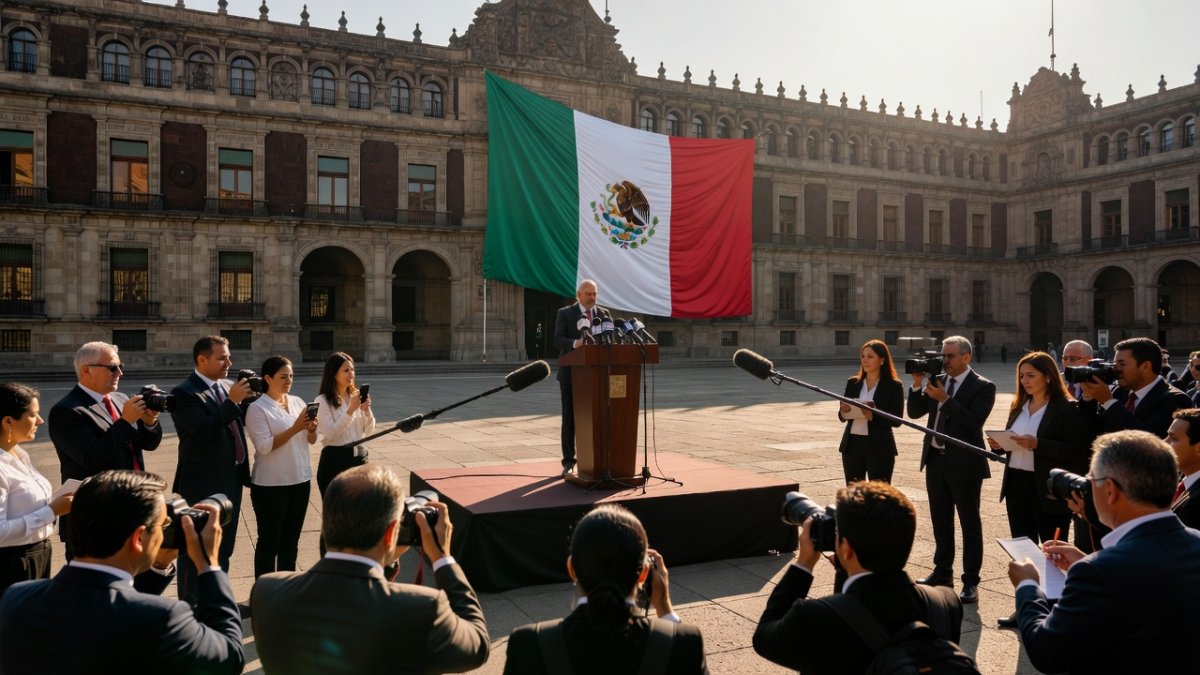
On June 24, 2026, the Treasury Hall at the National Palace filled with familiar voices as reporters gathered for the morning mañanera. They began by singing "Las Mañanitas" to President Claudia Sheinbaum on her 64th birthday, a moment that blended official business with the personal warmth Mexicans often share in family gatherings. Sheinbaum smiled and promised cake would follow, while noting she planned to enjoy pozole for lunch with her husband later that day.
The atmosphere remained light yet purposeful as two large cakes appeared, reminding everyone present of the community spirit that runs through Mexican public life. Sheinbaum, known for her background as a climate scientist named to Time magazine's 2024 list of the 100 most influential climate leaders, turned the conversation toward the country's energy future. This setting at Palacio Nacional connected the announcement directly to everyday Mexican rhythms, where national decisions meet the lives of families in colonias and rural pueblos.
Reporters and staff alike appreciated the human touch, especially as Sheinbaum balanced celebration with serious policy discussion. The mañanera format itself, a longstanding tradition, allowed direct communication with the public about matters affecting households from the northern deserts to southern indigenous communities. Such moments highlight how leaders remain close to the people they serve.
Details of the Renewable Energy Expansion Plan
Energy Minister Luz Elena González presented the government's plan titled "Renewable energy to strengthen sovereignty" during the same press conference. The strategy calls for adding 32,475 megawatts of new electricity generation capacity to the national grid by 2030. Of this total, 22,376 megawatts, or roughly 70 percent, will come from renewable sources, primarily solar and wind projects.
Within the renewable portion, approximately 55 percent is expected from solar developments and 30 percent from wind initiatives. González emphasized that Mexico possesses abundant natural resources in these areas, along with geothermal and biomass potential, allowing the country to meet its own needs without relying on imports. The target includes reaching at least 38 percent of electricity generation from renewables by 2030.
Sheinbaum reinforced these points by noting the clean nature of such energy sources, which produce no greenhouse gas emissions. This approach aligns with her long-standing advocacy for using Mexico's sun, wind, and geothermal resources to benefit ordinary citizens. The plan was framed as practical steps that build on available technology rather than distant promises.
CFE's Central Role in Delivering New Capacity
CFE chief Emilia Esther Calleja explained that the state utility, through its own projects and mixed schemes involving joint ventures, will supply 79 percent of the additional electricity capacity. This includes an overall investment of 739 billion pesos, equivalent to US $41.9 billion, covering CFE initiatives, mixed schemes, and private ventures. Calleja stressed that development will occur across different regions based on local natural resources.
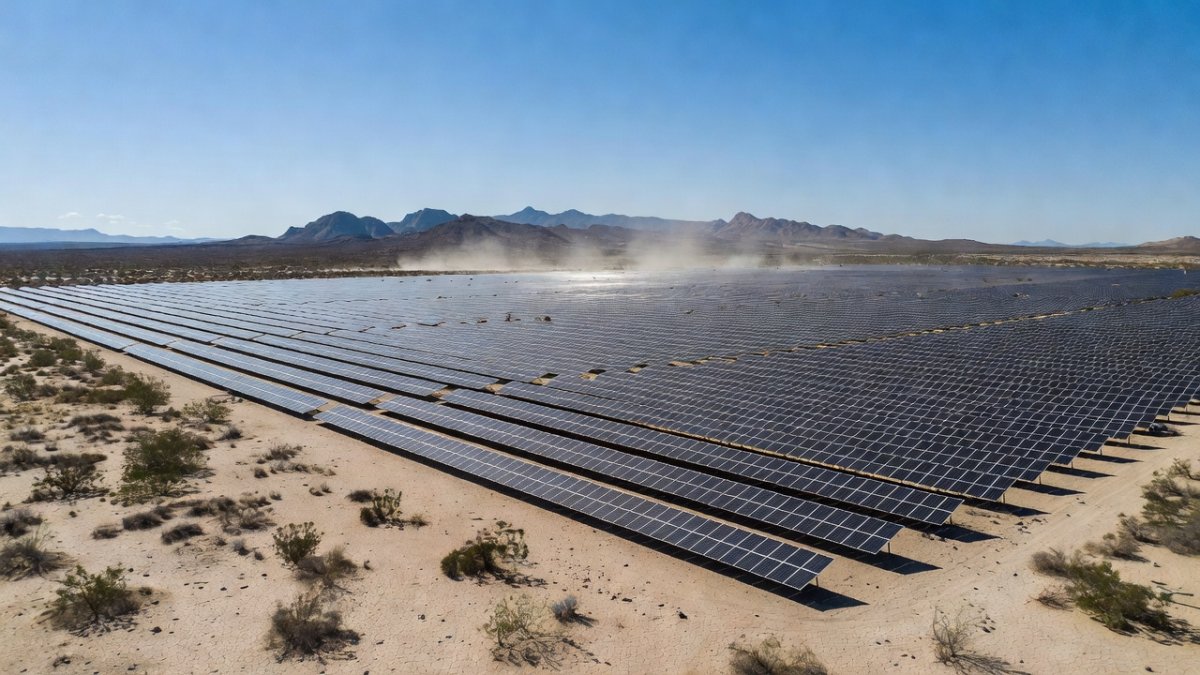
One highlighted example is the Rafael Galván Maldonado Solar Farm in Puerto Peñasco, Sonora, which is planned to reach 1,000 megawatts upon completion and become the largest solar farm in the Americas. Calleja summarized the utility's direction by noting its solid base in renewable generation and the commitment to expand capacity nationwide. The focus remains on providing sufficient, affordable, and reliable electricity for all Mexican families.
CFE's involvement ensures coordination with existing infrastructure managed by agencies such as SEMAR and SEDENA in certain areas, while prioritizing public benefit. This role positions the utility as a key actor in translating national goals into concrete projects that reach communities served by IMSS and ISSSTE facilities.
How This Affects Families Across Mexico's Colonias and Rural Areas
For families living in urban colonias and rural ejidos, reliable electricity means children can study after dark without interruptions and small businesses at the tianguis can keep refrigerators running. The addition of solar and wind capacity aims to reduce dependence on imported fuels, potentially stabilizing costs for households that already manage tight budgets amid economic pressures.
In indigenous comunidades and farming regions, access to cleaner energy sources could support local schools and health clinics operated through state governments. Campesinos and maquiladora workers stand to gain from more consistent power that supports irrigation systems and production lines. These changes connect directly to daily life in places like Sonora and other states where natural resources are abundant.
Small business owners and teachers in pueblo mágico towns may see indirect benefits as energy sovereignty strengthens the broader economy. The plan's emphasis on domestic resources resonates with communities that value self-reliance, much like the cooperative spirit found in many Mexican neighborhoods. Ordinary people, from healthcare workers at ISSSTE hospitals to students in public schools, could experience steadier service over time.
Embracing Energy Sovereignty and Climate Leadership
Sheinbaum described solar, wind, and geothermal energy as readily available options that guarantee sovereignty by reducing the need for foreign energy supplies. This framing ties the plan to Mexico's broader identity, where using the country's own sun and wind reflects a cultural preference for independence. The approach avoids emissions that contribute to climate challenges, aligning with Sheinbaum's scientific background.
By focusing on resources within Mexico's borders, the strategy supports economic stability for workers in energy-related sectors and protects vulnerable populations from price fluctuations. Communities in coastal and desert regions stand to benefit most directly from projects tailored to local conditions. This emphasis on sovereignty echoes longstanding Mexican priorities around resource control.
The announcement also included Sheinbaum acknowledging two pieces of positive economic news, underscoring how energy planning intersects with wider fiscal health. Such integration helps ensure that gains reach families supported by programs like those from CONEVAL and INEGI data tracking. Leadership in this area positions Mexico to contribute to global climate efforts while addressing domestic needs.
Building on Progress Beyond Previous Approaches
The current plan marks a shift from earlier priorities under the AMLO administration, which placed greater emphasis on fossil fuels through entities like PEMEX. Sheinbaum's administration, representing Morena, now advances renewable targets that contrast with those fossil fuel preferences while maintaining focus on public control via CFE. This evolution reflects ongoing debates within the Congreso de la Unión and among parties including PAN, PRI, and Movimiento Ciudadano.
Officials such as González and Calleja presented the numbers as achievable steps rather than abrupt changes, with implementation phased toward 2030. The involvement of SCJN and SEGOB in regulatory matters will likely shape how projects unfold across states. By centering CFE, the approach seeks to balance private participation with state oversight.
Political context shows continuity in valuing energy independence, yet with updated methods suited to current climate realities. Families in various regions may notice gradual differences as new capacity comes online, influenced by decisions at Palacio Nacional. This path builds on Mexico's diverse political landscape without discarding core principles of accessibility.
Looking Ahead: Implementation and Community Benefits
As the plan moves forward, attention will turn to project timelines and regional distribution, with CFE leading efforts in coordination with state governments. Communities in Sonora and beyond will watch developments at sites like the Puerto Peñasco solar farm, hoping for local job opportunities and improved service. Cautious progress remains key, as goals are set for completion by 2030 rather than immediate results.
Ordinary Mexicans, including migrant workers and teachers, stand to benefit if the targets translate into reliable power that supports education, healthcare, and small enterprises. Continued engagement through mañaneras will keep the public informed about advances and any adjustments needed. The focus on affordability and reliability, as stated by Calleja, aims to serve all families equitably.
Future updates from INEGI and related agencies may track how these investments affect broader economic indicators. By prioritizing Mexico's natural advantages, the strategy offers a pathway that resonates with cultural values of community and self-sufficiency. Observers note the importance of steady execution to realize the intended gains for rural and urban populations alike.
Tags: Mexico renewable energy, Claudia Sheinbaum, CFE, solar power, wind energy, energy sovereignty, Luz Elena González, mañanera, 2030 targets
By Rosa Martinez, Staff Writer
This article was produced with AI-assisted research and editorial support. Reporting is based on sources cited in the article.
What's Your Reaction?
 Like
0
Like
0
 Dislike
0
Dislike
0
 Love
0
Love
0
 Funny
0
Funny
0
 Wow
0
Wow
0
 Sad
0
Sad
0
 Angry
0
Angry
0
Latin America/Andes Correspondent at Global1.News. Based in Bogota, covering politics, environment, energy, and social movements across the Andean region. Passionate about environmental journalism and communities protecting their land.








Comments (0)