
Africa's Record 10 at World Cup 2026: Bafana Bafana Return After 16 Years
Bafana Bafana's 16-Year Journey Back The final qualifier against Rwanda at a packed FNB Stadium will forever be etched in South African hearts as the night the drought ended. Bafana Bafana delivered a commanding 3-0 victory that secured top spot in Group C ahead of Nigeria, with goals from Percy Tau in the 22nd minute, Lyle Foster just before halftime, and Teboho Mokoena sealin
Bafana Bafana's 16-Year Journey Back
The final qualifier against Rwanda at a packed FNB Stadium will forever be etched in South African hearts as the night the drought ended. Bafana Bafana delivered a commanding 3-0 victory that secured top spot in Group C ahead of Nigeria, with goals from Percy Tau in the 22nd minute, Lyle Foster just before halftime, and Teboho Mokoena sealing it late on. Coach Hugo Broos masterminded a tactical masterclass built on a rock-solid 4-2-3-1 formation that emphasised defensive organisation and quick transitions. The backline stayed compact, denying Rwanda any clear chances while the midfield pressed high to win the ball in dangerous areas. After 16 long years without a World Cup appearance since the 2010 tournament on home soil, the emotions spilled over as fans sang Shosholoza into the night, celebrating the end of years of administrative chaos and on-field disappointments that had left the nation yearning for this moment.
Captain Ronwen Williams stood tall between the sticks, organising his defenders with the authority of a true leader and making two crucial saves that kept the clean sheet intact. His calm presence inspired the entire squad during the tense closing stages. Percy Tau, the evergreen winger, showed flashes of brilliance with his dribbling and vision, creating space for the strikers while contributing that all-important opening goal. Teboho Mokoena dominated the midfield with his physicality and precise passing, breaking up play and dictating tempo like a general on the field. Meanwhile, young striker Lyle Foster emerged as the future star, using his pace and finishing instincts to terrorise the Rwandan defence and announce himself on the big stage. These player stories reflect the blend of experience and youth that Broos has carefully nurtured through the campaign.
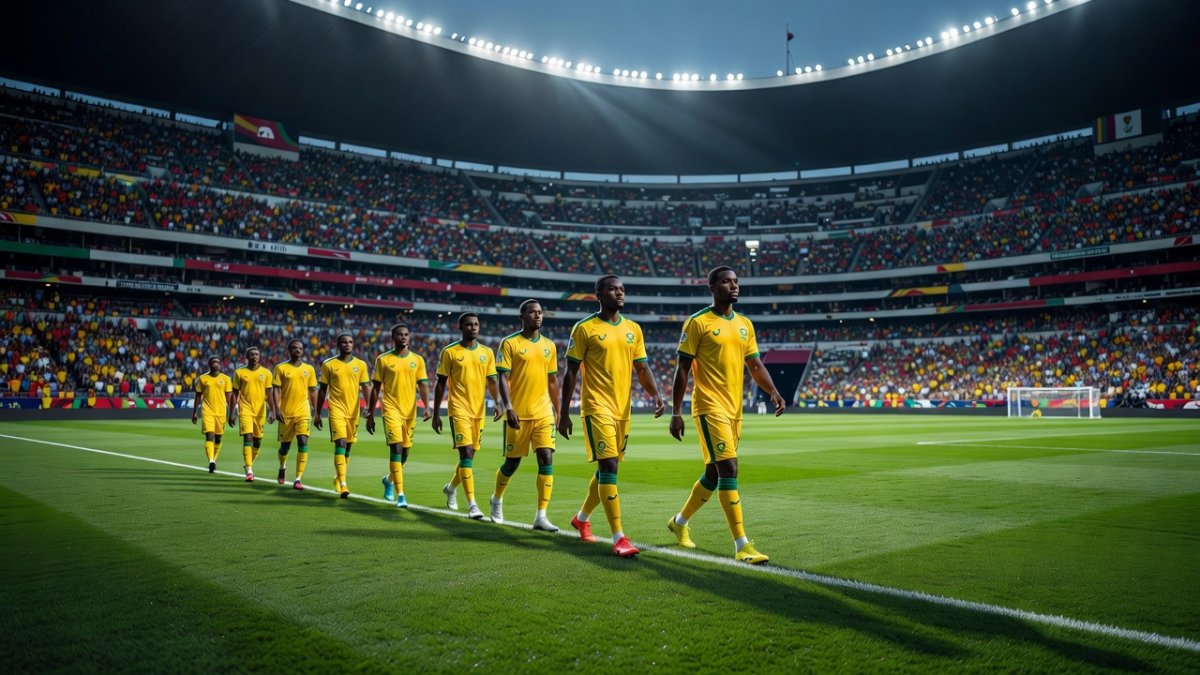
Opening Day Theatre at the Azteca
Mexico versus South Africa at the legendary Estadio Azteca promises to be a spectacle like no other, with the venue having hosted World Cup finals in 1970 and 1986. An electric crowd of 87,000 passionate Mexican supporters will create an intimidating cauldron of noise and colour as Bafana Bafana step onto the pitch for their first match back on the global stage. The pressure will be immense, yet Hugo Broos has prepared his men with a disciplined game plan focused on compact defending and exploiting spaces on the counter. Mexico boast serious firepower through Raul Jimenez up front, the tireless Edson Alvarez anchoring midfield, and the lightning-quick Hirving Lozano on the flanks, but South Africa's organised structure could frustrate them.
Any points earned against the co-hosts would represent a massive achievement and set the tone for the entire campaign. The schedule then turns to South Korea, another stern test, making the opening fixture crucial for momentum. Getting out of the group remains the primary target, and Broos knows that a positive result here would boost belief across the entire squad and the nation back home. The boys will need to stay focused amid the hostile atmosphere, drawing on the resilience built during qualification to show the world that South African football has returned stronger than ever.
Africa's Record 10: The Full Roll Call
Africa sends a record 10 teams to the World Cup, starting with Morocco who qualified first with a thumping 5-0 win over Niger and arrive as 2022 semi-finalists ready to build on that historic run. Senegal secured their third straight appearance after a 4-0 victory against Mauritania, with the Sadio Mane era still driving their ambitions. Egypt qualified for the first time since 2018, with Mohamed Salah likely featuring in what could be his final World Cup campaign. Ghana claimed their fifth appearance by beating Comoros 1-0, while DR Congo returned after 52 long years away from the tournament. Ivory Coast booked their spot with a 3-0 win over Kenya for their first appearance since 2014, and Cape Verde made their debut after defeating Eswatini, becoming the second least-populous nation ever to reach the finals. Algeria and Tunisia completed the list, with Algeria returning since 2014 and Tunisia making their seventh appearance including a third straight tournament.
Each team's journey carries its own weight of history and hope. Morocco's run to the semi-finals changed global perceptions of African football, while Senegal's consistency under their experienced core offers real knockout potential. Egypt carries the weight of Salah's brilliance alongside a proud footballing tradition. Ghana's fifth trip brings veteran know-how, and DR Congo's return after more than five decades represents a monumental achievement for their football federation. Ivory Coast's qualification revives memories of their 2015 Africa Cup of Nations triumph, Cape Verde's debut is a fairy tale for the islands, Algeria and Tunisia bring tactical discipline and continental pedigree, and South Africa completes this proud contingent with their own story of resilience.
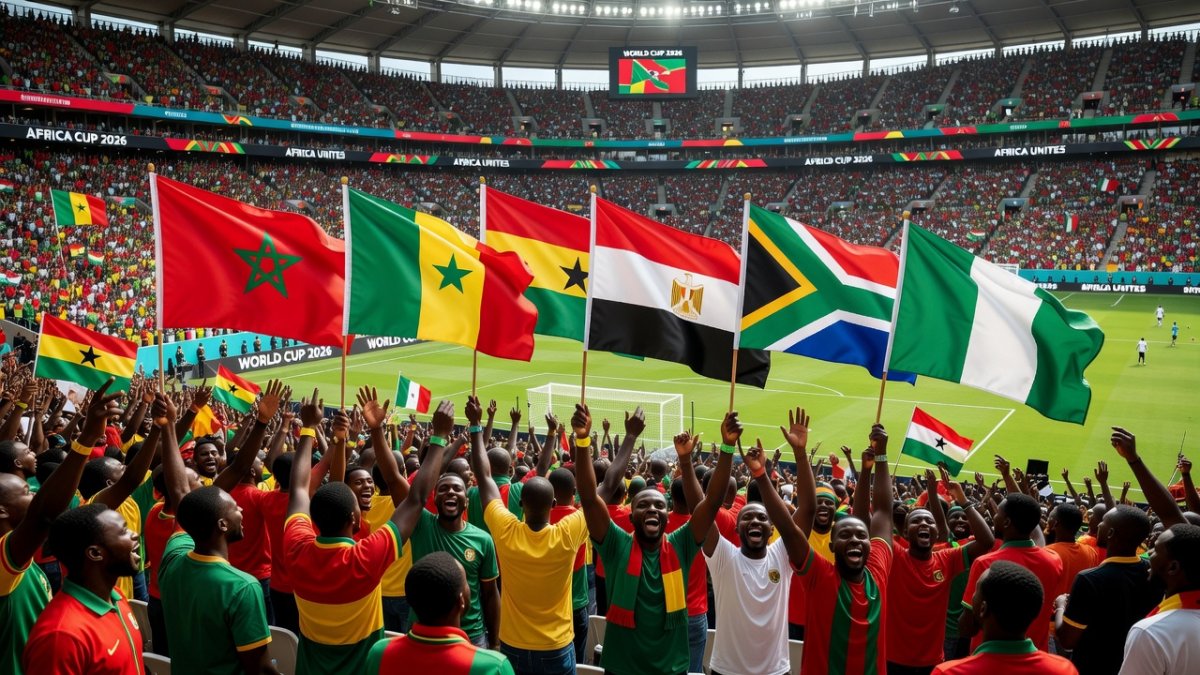
How African Football Reached This Moment
Morocco's unforgettable 2022 semi-final run fundamentally changed perceptions of what African teams can achieve on the biggest stage. CAF's increased investment in infrastructure and youth development has combined with the expanded 48-team World Cup format that awarded Africa nine to ten slots instead of the previous five. Yet the progress runs deeper than numbers alone. Academies across the continent have improved scouting networks, and more players are exporting their talents to top European leagues where they gain experience against the world's best. In South Africa, the MultiChoice Diski Challenge continues to serve as a vital bridge for young PSL talents, feeding into the national setup with technically sound and physically robust players.
The transformation of African football is evident in tactical evolution, higher coaching standards, and better infrastructure at club and national levels. Teams now play with greater organisation and intelligence rather than relying solely on raw athleticism. South African football has benefited from this continental wave, with Broos implementing modern methods that blend local passion with structured play. This moment represents years of quiet work behind the scenes finally bearing fruit across the entire continent.
Tyla and the Opening Ceremony: A South African Moment
South African music sensation Tyla will take centre stage at the opening ceremony alongside global stars Shakira and J Balvin, delivering a performance that puts the rainbow nation firmly in the global spotlight. This cultural crossover between SA music and sport marks a proud moment for the country, showcasing our talent on the same platform as the beautiful game. Tyla's meteoric rise from Johannesburg streets to international stardom embodies the dreams of many young South Africans who dare to reach for the top. Her presence at the Azteca, just 90 minutes before kickoff, will electrify the atmosphere and remind the world of South Africa's vibrant creative spirit.
The ceremony itself promises to be a feast of colour and rhythm, blending Latin American flair with African beats in a celebration of football's unifying power. For Bafana Bafana, seeing one of their own representing the nation so prominently will add extra motivation as they prepare to face Mexico. This intersection of music and sport highlights how South African excellence extends far beyond the pitch, creating memories that will resonate long after the final whistle.
Group A: The Path Forward
Group A features Mexico as co-hosts with passionate home support and an experienced squad, South Africa as confident underdogs riding strong qualifying form, and South Korea led by the dynamic Son Heung-min who remains dangerous on the counter-attack. With three teams in the group, the top two advance directly to the knockout stage in the expanded format. Broos will emphasise that every match counts, but the structure offers a realistic path for his team to progress beyond the group phase for the first time since 2010.
South Africa's strategy centres on securing at least a draw against Mexico before targeting a result against South Korea. The presence of four best third-placed teams also advancing provides valuable margin for error, allowing the squad to play with freedom rather than fear. This group represents a balanced challenge where tactical discipline and moments of individual brilliance could see Bafana Bafana surprise many observers and carry African hopes forward.
What This Means for SA Football's Future
SAFA must now play its part in maintaining the momentum generated by this qualification, ensuring structures support continued growth rather than repeating past mistakes. The PSL carries responsibility for player development, while grassroots programs and transformation targets need sustained funding and vision. SASCOC support will prove vital in aligning national sporting priorities. The 2010 World Cup left behind world-class stadium infrastructure, but the real focus must shift to human infrastructure through better coaching education, administrator training, and pathways for young talent.
This World Cup appearance can spark a genuine new era for South African football, moving beyond mere qualification toward genuine progression on the global stage. The passion of the fans and the dedication of the current squad provide the foundation, but long-term planning will determine whether this moment becomes a turning point or another isolated highlight. The nation deserves sustained success, and the time to build it is now.
What to Watch For in the African Campaign
Key matchdays will define the African campaign, with South Africa's group stage fixtures against Mexico and South Korea standing out as pivotal. Morocco will attempt to replicate or surpass their 2022 heroics, Senegal eyes another deep knockout run powered by their experienced core, while Cape Verde's debut matches will capture hearts worldwide. DR Congo's long-awaited return brings fresh storylines, and Egypt's campaign with Salah will be followed closely across the continent.
The potential for an African team to reach the quarter-finals or beyond has never been higher given the expanded format and improved standards. South Africa has a role to play in this continental push, carrying the hopes of millions back home. This is more than football; it is about pride, unity, and showing the world the true strength of African football. The journey starts at the Azteca, but the impact will echo for years to come across our beautiful game.
By Dante Williams, Staff WriterThis article was produced with AI-assisted research and editorial support. Reporting is based on sources cited in the article.
What's Your Reaction?
 Like
0
Like
0
 Dislike
0
Dislike
0
 Love
0
Love
0
 Funny
0
Funny
0
 Wow
0
Wow
0
 Sad
0
Sad
0
 Angry
0
Angry
0

Breaking News and Investigations Correspondent at Global1.News. Based in London, covering global breaking news, security, and investigative stories. Known for digging deeper and connecting the dots across continents.









Comments (0)