
Zelensky Sounds Alarm on Massive Russian Strike as Belarus Ultimatum and Poland Honor Crisis Shake Ukraine's Wartime Alliance
Zelensky Sounds Alarm on Massive Russian Strike as Belarus Ultimatum and Poland Honor Crisis Shake Ukraine's Wartime Alliance Kyiv, Ukraine — June 21, 2026 President Volodymyr Zelensky just dropped a blunt warning that Russia is gearing up for another massive strike across Ukraine. At the same time, he issued a one-week ultimatum to Belarus over Russian relay stations and fuel
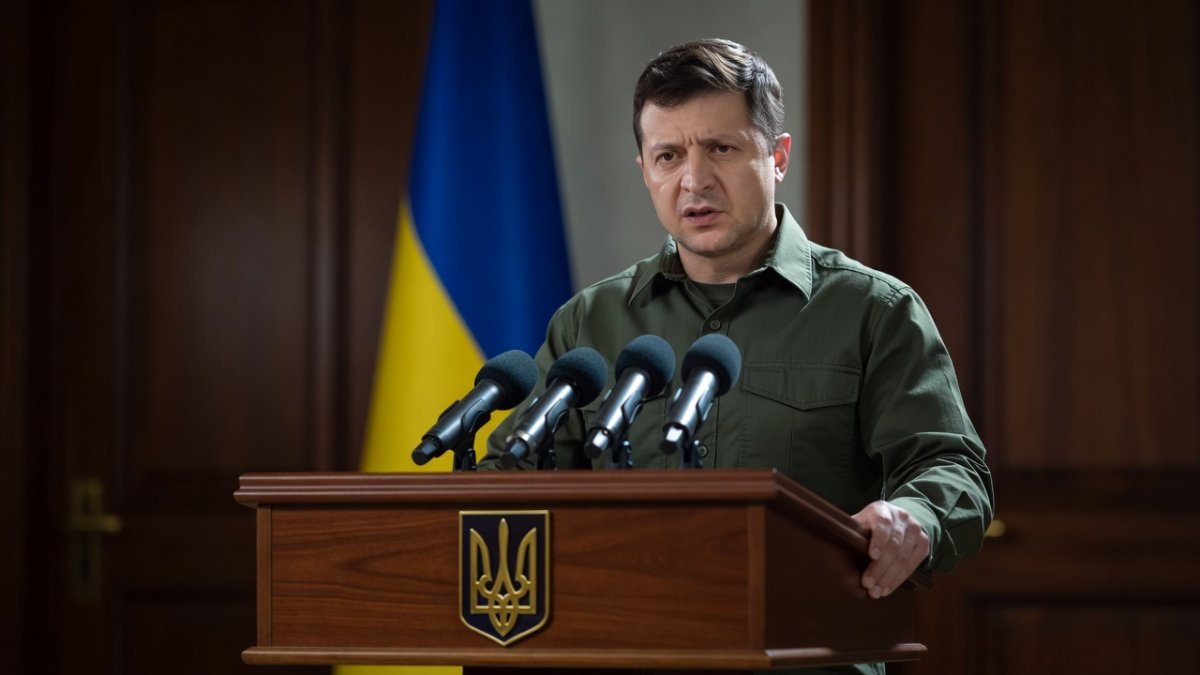
Zelensky Sounds Alarm on Massive Russian Strike as Belarus Ultimatum and Poland Honor Crisis Shake Ukraine's Wartime Alliance
Kyiv, Ukraine — June 21, 2026
President Volodymyr Zelensky just dropped a blunt warning that Russia is gearing up for another massive strike across Ukraine. At the same time, he issued a one-week ultimatum to Belarus over Russian relay stations and fuel supplies that keep Moscow's drones flying. On top of that, a bitter honor dispute with Poland has blown up, forcing Ukraine to return a top award and exposing cracks in the alliance that has kept Kyiv in the fight. These three crises are hitting at once, and they are not isolated. Each one carries real risks of escalation, lost support, and shifting battle lines. You need to understand how they connect because the next moves could reshape the entire war. This is not background noise. This is the frontline pressure cooker right now.
(Global 1 News)
The Massive Strike Warning
Zelensky stated on June 20 that Russian forces are preparing a new massive strike, following recent attacks that killed at least six people, including five in Zaporizhzhia. The strikes hit civilian areas hard, showing Moscow's continued willingness to target infrastructure and population centers despite international pressure. This warning comes as Ukrainian air defenses face repeated tests from drone and missile barrages. Recent Ukrainian drone strikes on Moscow itself appear to have prompted the latest Russian retaliation, illustrating a dangerous cycle of tit-for-tat escalation that both sides are struggling to control. Analysis shows these attacks serve dual purposes: they degrade Ukrainian morale and test NATO response thresholds without triggering full alliance intervention. The pattern suggests Russia aims to wear down Ukrainian energy grids ahead of winter, forcing Kyiv into defensive postures that limit counteroffensives.
Directly addressing the audience, this is not empty rhetoric from Kyiv. The Zaporizhzhia deaths underscore how quickly these strikes translate into real casualties. Zelensky's alert forces Western capitals to decide whether to accelerate air defense deliveries or risk another round of blackouts and civilian losses. Without faster support, Ukraine's ability to absorb these blows shrinks daily. The warning also signals to Moscow that Kyiv will not stay silent, potentially prompting preemptive Ukrainian actions that could widen the conflict zone. Historical parallels to past winter campaigns reveal how sustained infrastructure attacks can shift momentum more effectively than ground advances alone.
Belarus Ultimatum
On June 19, Zelensky gave Belarus one week to remove Russian relay stations operating in two regions bordering Ukraine. These stations guide drone attacks against Ukrainian targets, extending Moscow's reach without putting Russian pilots at risk. He also demanded an end to Belarusian refined oil supplies feeding the Russian army's logistics. The deadline creates immediate diplomatic friction with Minsk, which has hosted Russian forces since the invasion began. Belarusian compliance would disrupt drone coordination and fuel flows, but refusal invites Ukrainian strikes on those stations. Background on Belarus as Russia's primary staging ground adds urgency, especially after a recent attack on a children's soccer bus that highlighted the human cost of cross-border operations enabled by Minsk's cooperation.
This ultimatum carries sharp leverage because Belarus sits directly on Ukraine's northern flank. Removing the relay infrastructure would force Russia to reroute operations, buying Kyiv time and exposing Russian supply lines. Yet Minsk's close alignment with Moscow makes quick agreement unlikely, raising the prospect of cross-border incidents. The move shows Zelensky shifting from pure defense to active pressure on secondary fronts, a calculated risk that could either stabilize Ukraine's borders or ignite new fighting. The bus attack context further hardens Ukrainian resolve, turning the ultimatum into both a military and moral imperative.
Why Belarus Matters
Belarus functions as Russia's primary staging ground for operations against northern Ukraine. In 2022, Russian columns launched from Belarusian territory in the failed Kyiv offensive, proving how the country serves as a launchpad for rapid advances. Relay stations there now extend drone range and accuracy, allowing Moscow to strike deep without committing additional aircraft. Cutting these assets would directly limit Russia's ability to sustain pressure on Kyiv and surrounding regions. The children's soccer bus attack has intensified calls for action, demonstrating how Belarusian territory enables strikes that reach civilian targets far from the main front lines.
Strategic analysis reveals that Belarusian territory gives Russia depth and flexibility it lacks along the eastern front. Fuel supplies from Belarus keep Russian armor and artillery moving, tying the two economies together in the war effort. Zelensky's demands target this integration at its weakest points. Success here would shrink Russia's operational options, but failure could draw Belarus deeper into active combat roles, complicating Ukraine's already stretched defenses. Long-term implications include the possibility of NATO reconsidering its eastern flank posture if Minsk escalates further.
Poland Honor Crisis
Ukraine returned Poland's Order of the White Eagle after President Nawrocki revoked the award originally given by former president Duda in 2023. The trigger was Ukraine's decision to rename a military unit after the Ukrainian Insurgent Army, a WWII group responsible for the Volhynia massacre that killed around 100,000 Poles between 1943 and 1944. Nawrocki's action reflects deep Polish public anger over historical memory clashing with current wartime needs. Zelensky's return of the honor closes the symbolic loop but leaves the underlying grievance unresolved. Newsweek analysis has noted that such historical disputes often resurface precisely when alliances are under the greatest strain, turning memory into a political weapon.
This episode highlights how historical wounds can override strategic partnership when political leadership changes. Poland has been one of Ukraine's strongest backers on NATO and EU accession, yet the UPA naming decision reopened old divisions that Russian propaganda eagerly exploits. The revocation and return sequence demonstrates that even close allies can fracture over identity issues, forcing Kyiv to weigh military symbolism against diplomatic capital. The Volhynia events remain a raw nerve in Polish society, making any gesture toward reconciliation politically costly for Warsaw.
Fracturing the Wartime Alliance
The Poland dispute weakens the unified front that has sustained Ukraine through sanctions and arms deliveries. Polish support has included heavy weapons and border access critical for logistics. When historical grievances surface at this level, they slow decision-making in Warsaw and give domestic opponents ammunition to question continued aid. Putin's propaganda machine frames the spat as proof that Western unity is fragile and temporary. Implications for weapons shipments are immediate, as any delay in Polish approvals could bottleneck critical supplies heading to the front.
Longer term, this fracture risks delaying critical approvals for Ukrainian strikes or new weapon systems. If Poland withholds cooperation on transit or training, Ukraine's operational tempo suffers. The episode also signals to other Eastern European partners that supporting Kyiv carries domestic political costs, potentially narrowing the coalition willing to confront Russia directly. For EU integration prospects, the rift complicates Ukraine's accession path, since Polish veto power in Brussels could stall negotiations already slowed by rule-of-law concerns. Repairing this rift requires addressing the UPA issue without alienating Ukrainian nationalists, a narrow path that demands careful diplomacy.
Lavrov's Nuclear Threat
Russian Foreign Minister Sergei Lavrov warned that NATO escalation could lead to nuclear strikes, raising the stakes around any Belarusian or Polish moves. This rhetoric aims to deter deeper Western involvement while Ukraine presses its ultimatum and absorbs strikes. The threat echoes earlier nuclear signaling but gains weight amid active drone relay disputes and alliance tensions. In broader escalation context, such statements serve as calibrated warnings designed to exploit divisions within the alliance rather than signal imminent use.
Analysis indicates Moscow uses these warnings to freeze NATO responses at current levels, preventing rapid escalation in air defense or long-range systems. Yet repeated nuclear talk risks normalizing extreme options and complicating mediation efforts. For Ukraine, the threat underscores the need for ironclad security guarantees beyond current aid packages, because conventional victories alone may not prevent nuclear blackmail from shaping battlefield outcomes. The international community must weigh deterrence against the danger of miscalculation in an already volatile environment.
Lula's Peace Offer
Zelensky accepted Brazilian President Lula's offer to mediate at the G7 summit, opening a potential diplomatic channel amid the military crises. Brazil positions itself as a neutral broker with ties to both sides, though past statements have drawn Ukrainian criticism. The acceptance signals Kyiv's willingness to explore talks without halting defensive operations or the Belarus deadline. Diplomatically, this move broadens the circle of potential mediators beyond traditional European actors, testing whether Global South voices can influence outcomes where Western efforts have stalled.
This move tests whether external mediation can produce results when battlefield momentum favors attrition. Lula's involvement could pressure Russia on relay stations and fuel issues by internationalizing the Belarus dispute. However, success depends on whether Moscow sees value in negotiations while holding nuclear threats in reserve. Ukraine gains breathing room to manage multiple fronts, but any deal must address the core territorial and security demands that have blocked previous efforts. The offer also highlights shifting global alignments where non-aligned nations seek greater influence over European security matters.
The Bottom Line
These three crises converge on one reality: Ukraine is managing simultaneous pressure on its northern border, its Polish alliance, and Russian escalation threats while exploring mediation. The Belarus ultimatum and strike warning demand immediate Western hardware and diplomatic backing. The Poland rift shows how quickly unity can erode without careful handling of historical issues. Lavrov's nuclear language and Lula's mediation offer frame the choices ahead. Readers should watch for next developments including Belarus's response to the deadline, any Polish moves on weapons transit, and signs of whether Lula's channel produces concrete proposals or merely delays hard decisions.
You cannot ignore the timeline. One week on Belarus, ongoing strikes, and fragile alliances mean decisions made now will determine whether this war grinds on or finds an off-ramp. Stay alert. The situation is moving fast.
By Jessica Ali, Lead Anchor — Global 1 News
This article was produced with AI-assisted research and editorial support. Reporting is based on sources cited in the article.
What's Your Reaction?
 Like
0
Like
0
 Dislike
0
Dislike
0
 Love
0
Love
0
 Funny
0
Funny
0
 Wow
0
Wow
0
 Sad
0
Sad
0
 Angry
0
Angry
0

Editor-in-Chief at Global1.News. Atlanta-based journalist who cuts through the BS and tells it like it is. Lead anchor, host, and the voice you hear when the spin stops and the truth starts.












Comments (0)