
The Yazidi Genocide and Enduring Human Rights Violations
The Yazidi Genocide and Enduring Human Rights Violations The events of August 2014 marked a systematic campaign by Islamic State militants against the Yazidi community in Sinjar and surrounding areas of northern Iraq. The United Nations has characterised these acts as an ongoing genocide, with at least 12,000 Yazidis killed or kidnapped in the initial phase alone. Sexual enslav
The Yazidi Genocide and Enduring Human Rights Violations
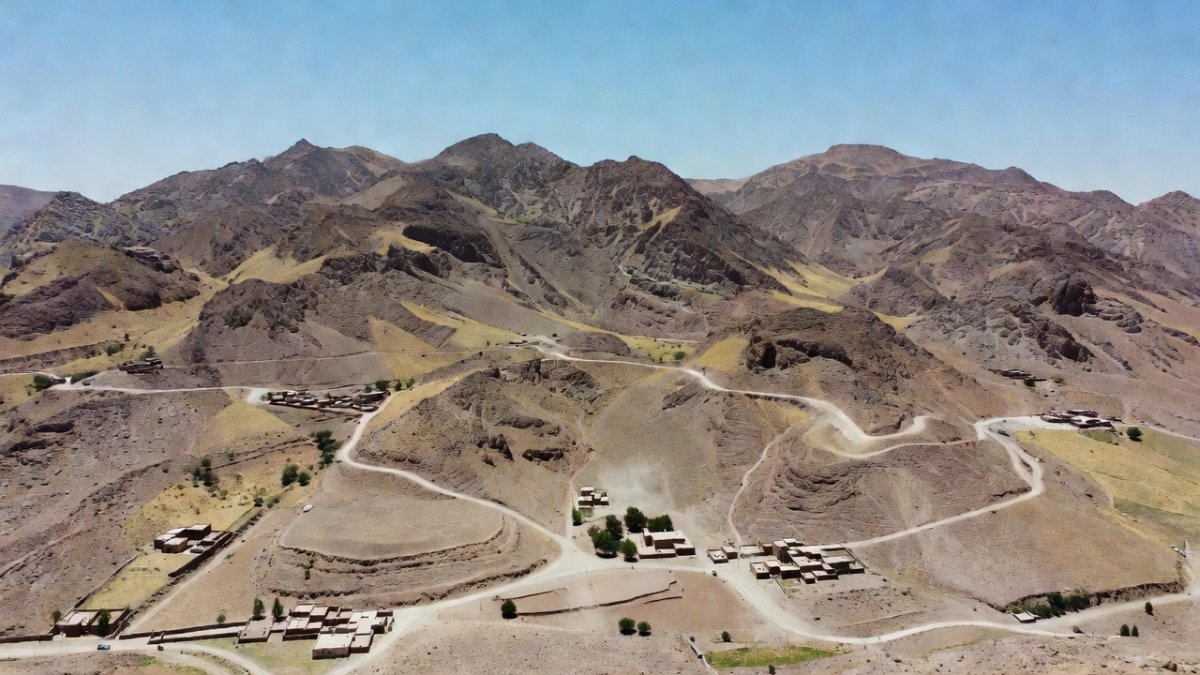
The events of August 2014 marked a systematic campaign by Islamic State militants against the Yazidi community in Sinjar and surrounding areas of northern Iraq. The United Nations has characterised these acts as an ongoing genocide, with at least 12,000 Yazidis killed or kidnapped in the initial phase alone. Sexual enslavement, forced conversions, and mass displacement formed core elements of the assault, directly violating international prohibitions on genocide and crimes against humanity.
Women and girls bore the brunt of gender-based violence, including repeated rape and domestic servitude. These practices constituted war crimes and crimes against humanity under established legal frameworks. The destruction of family structures and cultural sites compounded the assault on Yazidi identity, leaving survivors to navigate profound losses in safety, autonomy, and community ties.
Personal Accounts of Captivity and Survival
Shireen was nineteen when Islamic State fighters entered her home in Sinjar on 3 August 2014. She was taken to Tal Afar and later sold in Mosul to a fighter named Abu Omar, becoming his third wife. For more than two years she remained confined to the house, performing forced labour under constant guard. Two younger Yazidi girls, aged six and ten, were later brought to the same household and subjected to similar exploitation.
Shireen described the psychological toll of isolation and repeated sexual violence. Upon liberation by Iraqi forces in 2016, she faced depression, nightmares, and the unresolved fate of her father and sister, both missing since 2014. Her uncle and several friends had been killed. Such individual testimonies illustrate the collective scale of harm inflicted on an entire community.
Dr Nagham Nawzat and the Provision of Essential Care
Dr Nagham Nawzat, a Yazidi gynaecologist born in Mosul in 1976, has dedicated her practice to addressing the medical and psychological consequences of these violations. After graduating from Mosul Medical College in 2002, she focused on women’s health issues. In 2015 she joined the Duhok Survivors’ Centre, where she has supported more than 1,200 Yazidi women liberated from Islamic State captivity.
As of July 2018, the Kurdistan Regional Government’s Kidnapped Affairs department recorded 2,023 liberated Yazidi women. Dr Nawzat’s contribution represents care for over half of this group. In March 2016 she received the International Women of Courage Award from then-Secretary of State John Kerry for her work combating gender-based violence and providing trauma-informed support.
Methods of Support at the Duhok Survivors’ Centre
The Duhok Survivors’ Centre, funded by the United Nations Population Fund, remains the only facility in Iraq specialising in gender-based violence. Dr Nawzat employs a post-traumatic medical approach that begins with a thorough physical examination followed by attentive listening. She offers survivors space to recount experiences at their own pace, providing reinforcement and continuity of care.
Trust-based relationships allow patients to disclose fears and emotions without pressure. Follow-up sessions are available whenever requested. This model recognises that recovery from prolonged captivity requires sustained attention to both physical health and psychological well-being, rather than isolated interventions.
Human Rights Implications and Calls for Accountability
The systematic use of sexual violence against Yazidi women underscores failures in international protection mechanisms. Survivors retain rights to rehabilitation, justice, and recognition of harm under human rights law. Dr Nawzat’s work demonstrates how local medical professionals can address immediate needs while international bodies document violations for potential accountability processes.
Many survivors continue to live with missing relatives and unresolved trauma. Access to specialised services remains limited outside the Kurdistan region, highlighting disparities in post-conflict recovery resources. Sustained funding and policy attention are required to prevent further marginalisation of affected communities.
Resilience and the Path Toward Dignity
Shireen, now twenty-three, credits Dr Nawzat with helping her regain a sense of self after captivity. She describes the doctor’s affirmation of her bravery as pivotal. Similar sentiments are shared across the Yazidi community, where Dr Nawzat is viewed as a consistent source of support.
The resilience shown by survivors reflects broader patterns of endurance amid displacement and loss. Continued documentation of their experiences contributes to historical record and informs efforts to prevent recurrence of such atrocities. Dr Nawzat’s ongoing availability underscores the long-term nature of recovery from genocide and sexual violence.
By Fatima Al-Rashid, Staff WriterThis article was produced with AI-assisted research and editorial support. Reporting is based on sources cited in the article.
What's Your Reaction?
 Like
0
Like
0
 Dislike
0
Dislike
0
 Love
0
Love
0
 Funny
0
Funny
0
 Wow
0
Wow
0
 Sad
0
Sad
0
 Angry
0
Angry
0
Gulf/MENA Correspondent at Global1.News. Based in Doha, covering Gulf politics, energy markets, diplomacy, and development across the Middle East and North Africa. Tracks the economic transformation of the Gulf states.










Comments (0)