
Iran Has Washington Over a Barrel — Literally. Here's Why Any Deal Will Sting

If you thought the Iran situation couldn't get more humiliating for the Trump administration — think again. Any plausible deal to end the conflict comes with a bitter pill for Washington.
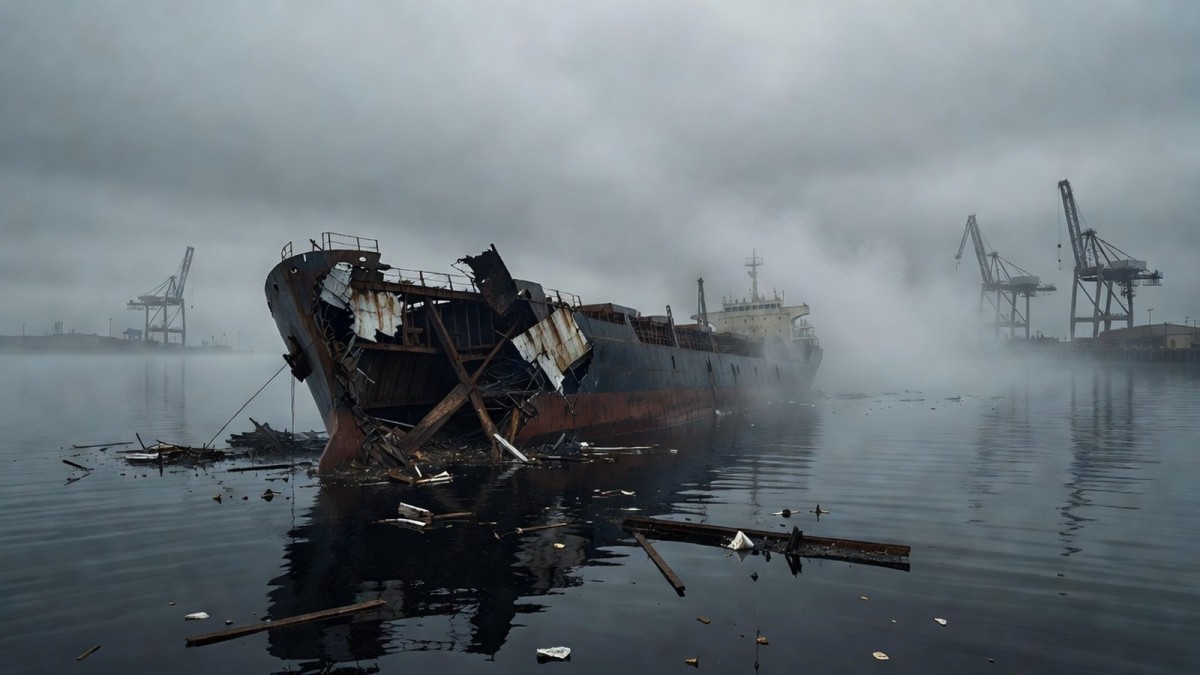
The irony is brutal: even as the US claims to be nearing an agreement, Iran's ability to close the Strait of Hormuz — the narrow passage through which a fifth of the world's oil flows — has strengthened the hand of regime hardliners. The very threat that the US military was supposed to neutralize has become Iran's strongest bargaining chip.
How We Got Here
Operation Epic Fury was designed to degrade Iran's military capacity, especially its ability to threaten oil shipments through the Strait of Hormuz. But the operation hasn't achieved its objectives. Iran's anti-ship missiles and naval mines remain operational. And the mere threat of closing the strait has sent oil prices spiking, giving Tehran economic leverage far beyond what its military strength would suggest.
The result is a paradox: the US entered the conflict to stop Iran from threatening global oil markets, and now any negotiated end requires accepting that Iran retains that very capability. It's the diplomatic equivalent of losing the war but having to sign the peace treaty anyway.
What's at Stake
A deal that allows Iran to maintain its Strait of Hormuz leverage is a win for Tehran and a loss for Washington — no matter how the administration tries to spin it. It tells other adversaries that threatening global economic infrastructure is an effective negotiating tactic.
The real question is whether the administration can accept a deal that looks like a loss, or whether it will keep pushing for better terms that don't exist. Pride is a dangerous thing in diplomacy.
Either way, the Iran situation is a masterclass in how military force can't solve problems that require political solutions. 🌊⚡
This article was produced with AI-assisted research and editorial support. Reporting is based on sources cited in the article.
What's Your Reaction?
 Like
0
Like
0
 Dislike
0
Dislike
0
 Love
0
Love
0
 Funny
0
Funny
0
 Wow
0
Wow
0
 Sad
0
Sad
0
 Angry
0
Angry
0

Editor-in-Chief at Global1.News. Atlanta-based journalist who cuts through the BS and tells it like it is. Lead anchor, host, and the voice you hear when the spin stops and the truth starts.










Comments (0)