
US Retail Sales Plunge 1% in March as Consumers Reel from Banking Turmoil and Smaller Tax Refunds
US Retail Sales Plunge 1% in March as Consumers Reel from Banking Turmoil and Smaller Tax Refunds The Sharp March Decline in Retail Spending The Commerce Department reported that retail sales fell by 1% in March from the prior month, a steeper drop than the 0.4% decline economists had anticipated according to Refinitiv. This marked a notable acceleration from the revised 0.2% d
The Sharp March Decline in Retail Spending
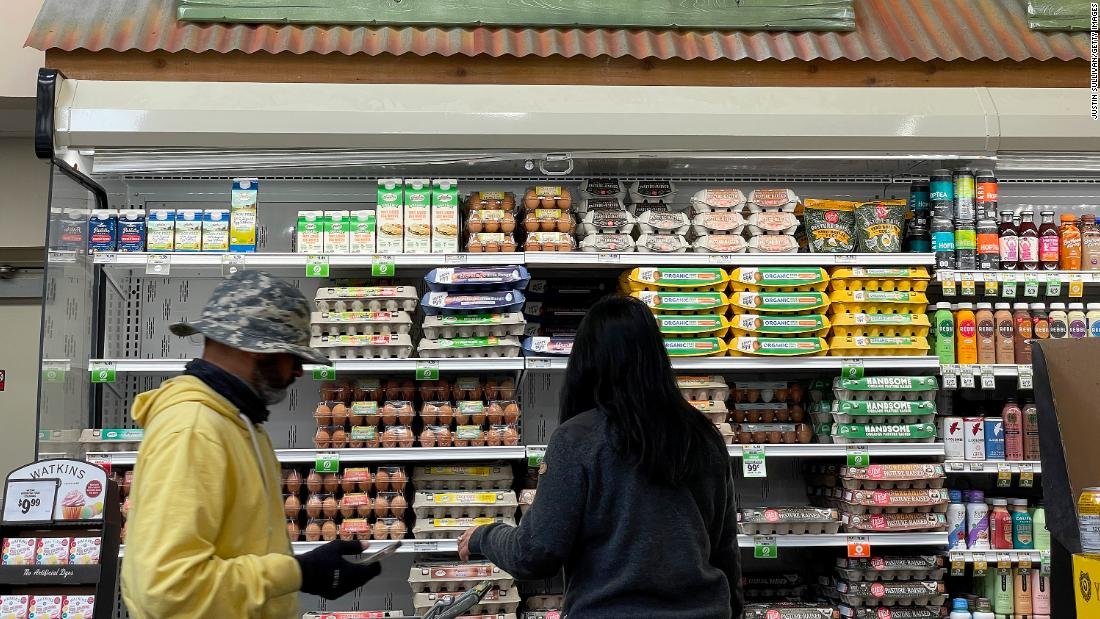
The Commerce Department reported that retail sales fell by 1% in March from the prior month, a steeper drop than the 0.4% decline economists had anticipated according to Refinitiv. This marked a notable acceleration from the revised 0.2% decline seen in February. Sales figures, adjusted for seasonality but not inflation, painted a clear picture of consumers tightening their wallets after the banking crisis stoked recession fears.
Year-over-year, retail spending still managed a 2.9% increase, yet the monthly contraction signals a meaningful shift in behavior. Spending at general merchandise stores dropped 3%, while gas station sales plunged 5.5%. Even excluding gas stations, retail spending retreated 0.6% from February levels. These numbers underscore how quickly sentiment can translate into reduced outlays on everything from appliances to everyday purchases.
Tax Refunds and Expired Benefits Hit Household Budgets
The IRS issued $84 billion in tax refunds this March, roughly $25 billion less than in March 2022, according to Bank of America analysts. That shortfall directly curtailed spending at department stores and on durable goods such as furniture and appliances. Consumers who had grown accustomed to larger refunds last year found themselves with less discretionary cash precisely when recession worries intensified.
Enhanced pandemic-era SNAP benefits also expired in February, removing another layer of support for lower-income households. Bank of America Institute data showed credit and debit card spending per household slowed to its weakest pace in more than two years. Aditya Bhave, senior US economist at BofA Global Research, noted that March refunds carry outsized importance, and many households simply received less than they expected.
Labor Market Shows Resilience but Loses Steam
Despite the spending pullback, the labor market continued to add jobs, with employers hiring 236,000 workers in March according to the Bureau of Labor Statistics. That gain remains robust by historical standards, yet it fell short of the average monthly pace recorded over the prior six months. Average hourly earnings rose 4.2% from a year earlier, down from the previous month’s 4.6% annualized increase and the smallest annual gain since June 2021.
The JOLTS report revealed that job openings stayed elevated in February but had fallen more than 17% from their March 2022 peak of 12 million. Revised data also indicated higher weekly unemployment claims than previously reported. These trends suggest the labor market is cooling gradually, which could eventually weigh further on consumer confidence and spending power.
Banking Crisis Reverberations and Consumer Sentiment
The collapses of Silicon Valley Bank and Signature Bank amplified existing recession concerns, even though direct effects on consumers have remained limited so far. University of Michigan consumer sentiment worsened slightly in March amid the bank failures, though readings had already been softening beforehand. By April, sentiment held steady despite the turbulence, according to the latest University of Michigan survey.
Joanne Hsu, director of the surveys of consumers at the University of Michigan, observed that consumers are expecting a downturn but are not feeling as dismal as they did last summer. They appear to be waiting for the other shoe to drop. This cautious stance aligns with the observed reduction in retail outlays and helps explain why households prioritized saving over spending in March.
Inflation Expectations Tick Higher Amid Gas Price Pressures
Year-ahead inflation expectations jumped a full percentage point in April, rising from 3.6% in March to 4.6%, partly because higher gas prices filtered into household perceptions. The University of Michigan survey captured this shift even as overall sentiment stabilized. Consumers appear to be bracing for persistent price pressures rather than anticipating rapid relief.
These elevated expectations could complicate the Federal Reserve’s task of balancing growth and price stability. With retail sales already softening, any further rise in perceived inflation risks squeezing real purchasing power and extending the current pullback in discretionary spending.
Expert Views on Consumer Strength and Looming Risks
Michelle Meyer, North America chief economist at Mastercard Economics Institute, emphasized that the big picture remains favorable for consumers when considering income growth, balance sheets, and labor market health. Yet she also acknowledged that momentum has slowed. The combination of smaller tax refunds, expired benefits, and moderating wage gains has already produced measurable restraint in spending.
Federal Reserve economists now forecast that the economy will enter a recession later this year as the lagged effects of higher interest rates take hold. Their projections had already incorporated subdued growth and recession risks before the March bank failures, suggesting the baseline outlook was already tilting negative. Retail sales data for March provide early confirmation that households are responding to these crosscurrents.
Outlook for Spending and Broader Economic Implications
The March retail sales report illustrates how quickly multiple headwinds can converge on consumer behavior. Smaller refunds, expired assistance programs, and heightened recession fears combined to produce a 1% monthly drop that exceeded expectations. While the labor market continues to provide a buffer, the pace of job growth and wage gains has clearly moderated.
Looking ahead, sustained weakness in retail spending could feed into slower economic growth and prompt further adjustments by businesses. Policymakers will watch subsequent months closely to determine whether the March decline represents a temporary reaction or the start of a more prolonged retrenchment. The data leave little doubt that consumers have begun to adjust their behavior in response to a more uncertain environment.
By Jessica Ali, Staff WriterThis article was produced with AI-assisted research and editorial support. Reporting is based on sources cited in the article.
What's Your Reaction?
 Like
0
Like
0
 Dislike
0
Dislike
0
 Love
0
Love
0
 Funny
0
Funny
0
 Wow
0
Wow
0
 Sad
0
Sad
0
 Angry
0
Angry
0

Editor-in-Chief at Global1.News. Atlanta-based journalist who cuts through the BS and tells it like it is. Lead anchor, host, and the voice you hear when the spin stops and the truth starts.














Comments (0)