
Clinton Residents Face Evacuation as Pear Lake Wildfire Advances Amid British Columbia Blaze Surge
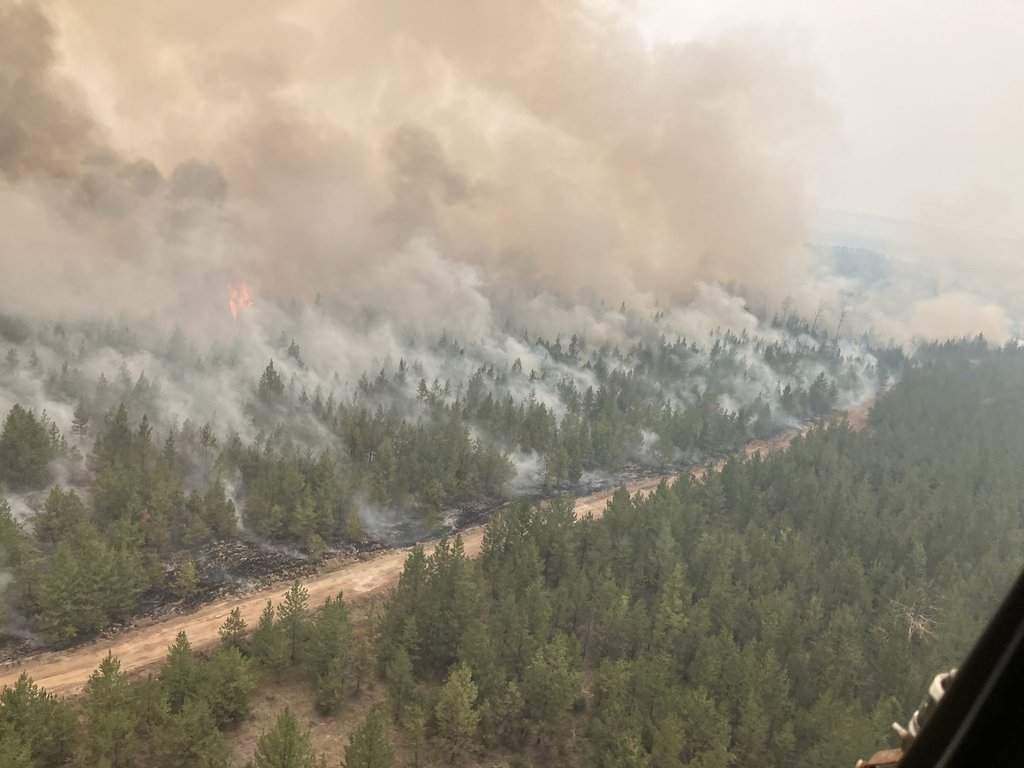
Clinton Residents Face Evacuation as Pear Lake Wildfire Advances Amid British Columbia Blaze Surge Residents of Clinton, British Columbia, have described the tense hours leading to their evacuation as the Pear Lake wildfire advanced on the community roughly 350 kilometres northeast of Vancouver. With approximately 120 wildfires active across the province, an approaching cold front threatens to intensify winds and complicate firefighting efforts in several areas.
Clinton Residents Face Evacuation as Pear Lake Wildfire Advances Amid British Columbia Blaze Surge
Residents of Clinton, British Columbia, have described the tense hours leading to their evacuation as the Pear Lake wildfire advanced on the community roughly 350 kilometres northeast of Vancouver. With approximately 120 wildfires active across the province, an approaching cold front threatens to intensify winds and complicate firefighting efforts in several areas.
Evacuation orders have also affected Boston Bar and portions of the Thompson-Nicola Regional District, leaving many unsure whether homes will remain intact upon return. The situation echoes previous major Canadian wildfire events that displaced thousands.
Provincial emergency protocols coordinated the movement, drawing on lessons from earlier large-scale evacuations in western Canada, while federal disaster assistance programs stand ready to support recovery once assessments become possible.
The Evacuation of Clinton Unfolds
Friday brought an evacuation order for the entire Village of Clinton after the Pear Lake wildfire moved closer. Residents reported heavy traffic as vehicles streamed out of the area, with one local noting he had never seen the roads so busy. The process involved difficult decisions for families and individuals who had to leave pets and belongings behind under time pressure.
In the small community of Clinton, British Columbia, RCMP officers conducted door-to-door notifications to ensure everyone received the alert, while emergency systems broadcast warnings through multiple channels. Traffic management became critical on the narrow highways leading out of the village, as hundreds of vehicles converged, creating bottlenecks that slowed the exodus.
Emergency Support Services set up reception centres to assist those displaced, providing immediate aid to families, seniors, and individuals with pets who faced difficult choices about what to bring. Local authorities worked to accommodate evacuees with special needs, including medical support for seniors and temporary shelter arrangements for animals, underscoring the comprehensive response required in such emergencies.
Pear Lake Wildfire and Provincial Situation
The Pear Lake wildfire has presented significant terrain challenges in the Cariboo region, where steep slopes and dense vegetation have limited direct suppression tactics by ground crews. The BC Wildfire Service has seen its resources stretched across the roughly 120 active fires provincewide, forcing difficult decisions on where to deploy personnel and equipment most effectively.
An incoming cold front is expected to bring stronger winds that could test existing containment lines and potentially create new spot fires in unpredictable directions. These conditions echo patterns seen in previous seasons, where rapid changes in weather complicated efforts to protect interface communities like Clinton.
Provincial officials continue to monitor the situation closely, balancing the need for aggressive action in accessible areas with safety protocols that prevent unnecessary risks to firefighters amid the broader surge in activity.
Personal Accounts From Affected Residents
The mental health toll of evacuations weighs heavily on residents, as the sudden disruption of daily routines and uncertainty about homes and livelihoods contribute to heightened anxiety and stress. For seniors like those in Clinton's housing facilities, prolonged exposure to smoke has compounded physical discomfort with emotional strain from isolation and repeated alerts.
Bruce Kirkby, a Clinton resident, spent hours attempting to gather his four cats before departing. He ultimately had to leave some behind amid the rush. Kirkby described the scene as very busy, with traffic unlike anything he had previously witnessed in the village.
Joanne Mitchell, who lives in seniors' housing in Clinton, recounted breathing toxic smoke, dust particles, ash and pine needles since July 4 before the order came. These experiences parallel the prolonged air-quality challenges faced by residents during the 2016 Fort McMurray wildfire in Alberta, the largest evacuation in that province's history.
Bruce Kirkby's experience of leaving cats behind captures the heartbreak many face when time constraints force painful decisions about beloved pets. Such stories reveal how community bonds are tested during crises, with neighbours offering mutual support even as they manage their own departures. These personal narratives underscore the human dimension of wildfire events, where the immediate physical threats are matched by longer-term psychological impacts that linger well after the immediate danger passes.
Response by the BC Wildfire Service and Local Authorities
The BC Wildfire Service has prioritised areas where terrain allows safer operations while monitoring spots where direct suppression poses excessive risk. Firefighters worked through the night in Clinton, and a subsequent social-media update from the village noted that the community had been preserved from major loss. Separate challenges emerged in the Boston Bar area, where the local water system was allegedly vandalised during the response. In the Upper Fintry region, more than 500 residents at La Casa remain on evacuation alert due to another active fire. These incidents highlight coordination demands between provincial agencies and local governments.
Climate Influences and Wildfire Season Trends
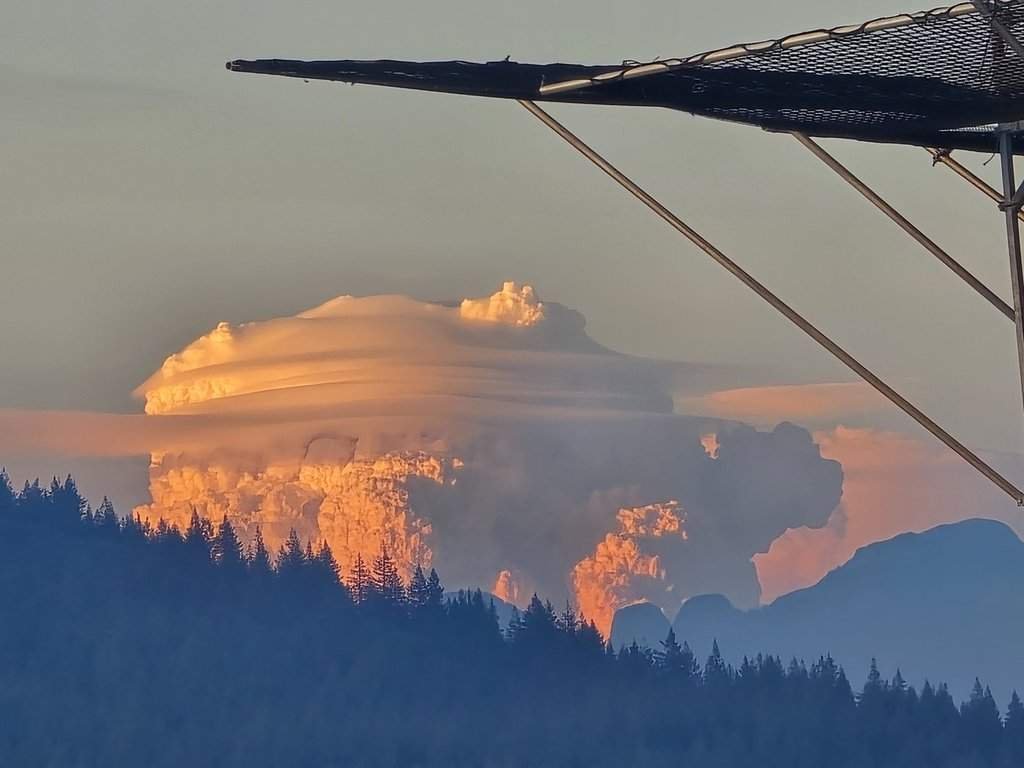
British Columbia's ongoing drought conditions have left forests particularly vulnerable, with dry fuel loads increasing the intensity and speed of fire spread across the province. The legacy of pine beetle kill has further exacerbated these risks by creating vast stands of dead timber that serve as ready fuel for wildfires.
Comparisons to previous seasons show a trend toward more frequent and severe events, placing additional pressure on provincial budgets already allocated for firefighting operations and emergency responses. These factors align with broader climate patterns that have extended fire seasons and intensified weather extremes in western Canada.
Resource allocation for suppression efforts reflects these mounting challenges, as governments balance immediate containment needs against investments in prevention and long-term forest management strategies.
Recovery and Federal-Provincial Coordination
The Disaster Financial Assistance Arrangements, or DFAA, provide a framework for federal support once provincial resources are overwhelmed, covering eligible costs for recovery after assessments are completed. Residents seeking claims must document losses thoroughly and follow provincial guidelines to access funding for repairs, temporary housing, and other necessities.
Lessons from the Fort McMurray and Kelowna rebuilds emphasise the importance of coordinated planning between federal and provincial levels to streamline aid distribution and avoid delays. These past events demonstrated that sustained collaboration helps communities navigate the complex process of returning and rebuilding.
Effective coordination also involves clear communication to evacuees about available supports, ensuring that vulnerable populations receive priority assistance during the transition back to their homes.
Additional Communities Under Pressure
Boston Bar and parts of the Thompson-Nicola Regional District continue under evacuation orders, adding to the provincial total of displaced residents. The separate Upper Fintry alert further illustrates how multiple fires can strain response capacity simultaneously. These overlapping events test the limits of existing preparedness frameworks developed after earlier major incidents. Continued monitoring of wind patterns from the approaching cold front will guide tactical decisions in the days ahead.
Tags: Clinton BC wildfire, Pear Lake fire, BC Wildfire Service, evacuation orders, British Columbia wildfires, Fort McMurray 2016, Kelowna 2023, Jasper 2024, climate change, federal disaster assistance
By Alex Thompson, Staff Writer
This article was produced with AI-assisted research and editorial support. Reporting is based on sources cited in the article.
What's Your Reaction?
 Like
1
Like
1
 Dislike
0
Dislike
0
 Love
0
Love
0
 Funny
0
Funny
0
 Wow
0
Wow
0
 Sad
0
Sad
0
 Angry
0
Angry
0

Canada Correspondent at Global1.News. Based in Toronto, covering Canadian politics, energy, trade, and US-Canada relations. Provides the Canadian perspective on North American and global affairs.














Comments (0)