
US-Iran Peace Deal Announced at G7: What It Means for UK Fuel Prices and Foreign Policy
US-Iran Deal at G7: Relief for UK Petrol Prices **Meta Description:** The US-Iran peace deal announced at the G7 summit could cut UK fuel costs by up to 11p per litre. Treasury modelling and FCDO updates reveal the impact on British households and energy security. **Keywords:** US-Iran peace deal, G7 summit, Strait of Hormuz, UK fuel prices, Keir Starmer, Treasury modelling, sa
The US-Iran peace deal struck on the sidelines of the G7 summit threatens to reshape the cost of living for millions of British households. With 12 per cent of UK oil imports passing through the Strait of Hormuz, any sustained reopening could deliver rapid relief at the pumps and ease pressure on inflation forecasts from the Office for National Statistics. Treasury modelling already points to an 8-11 pence per litre drop within weeks.
Trump Secures Iran Deal as G7 Focuses on Energy Security
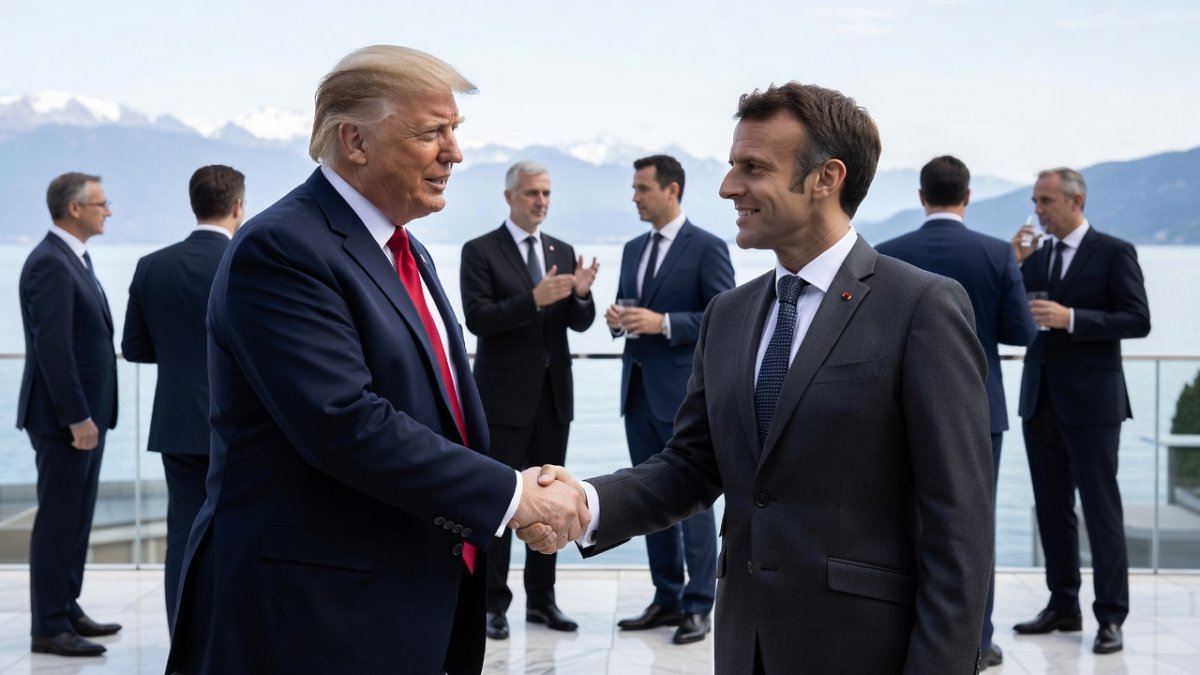
Evian-les-Bains, France - 15 June 2026 - President Donald Trump arrived at the G7 summit in Evian-les-Bains carrying a memorandum of understanding signed remotely with Iran’s Deputy Foreign Minister Kazem Gharibabadi. The agreement, which includes the phrase “Let the oil flow,” paves the way for the Strait of Hormuz to reopen on Friday, with demining operations already underway and the US naval blockade formally ending. A formal signing ceremony is scheduled for Geneva on 19 June.
Impact on British Households
The reopening of the Strait of Hormuz carries immediate consequences for British motorists and energy bills. Treasury modelling suggests an 8-11 pence per litre reduction in petrol prices within six weeks if tanker traffic resumes at normal volumes. Families in the North East and South Wales, where average commutes are longer and public transport options thinner, stand to benefit most from the projected fall. The Department for Energy Security and Net Zero is already tracking daily supply data to confirm the flow of crude. Office for National Statistics inflation forecasts due in July will incorporate the first verified price movements. Lower transport costs could also ease pressure on food prices, given the heavy reliance on road haulage across the UK. Ministers are preparing contingency plans should verification milestones slip and delay the relief. Households on tight budgets will watch the next six weeks closely as the cost-of-living crisis remains the dominant domestic concern.
The Deal
President Trump presented the memorandum of understanding to fellow leaders after it was signed remotely by both parties. The document commits Iran to halting funding for Hezbollah and opens a 60-day window for nuclear negotiations. The Strait of Hormuz will reopen on Friday following the completion of initial demining work. US naval forces have begun withdrawing from blockade positions in the Gulf. A formal ceremony in Geneva on 19 June will see the full text released. Iranian officials have confirmed that physical verification teams will be permitted access to key sites within days. The agreement also includes provisions for the phased release of frozen Iranian assets once milestones are confirmed on the ground. Diplomats in Evian-les-Bains described the mood as cautiously optimistic, though several European leaders stressed the need for robust monitoring mechanisms. The deal marks the first major breakthrough in US-Iran relations since the collapse of the original JCPOA.
Terms of the Agreement
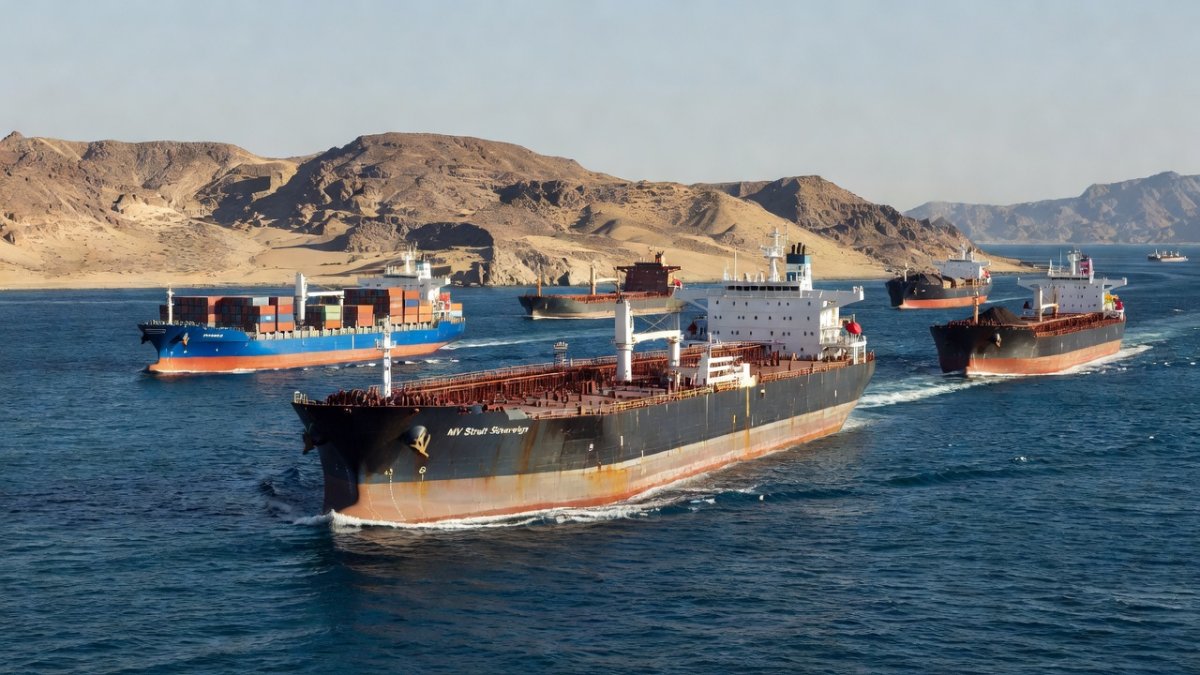
Sanctions relief is explicitly tied to verifiable physical milestones rather than promises alone. Iran must demonstrate a halt in funding to Hezbollah through banking records and on-site inspections. A strict 60-day window has been set for comprehensive nuclear talks. Ceasefire arrangements now cover all fronts, including the Israel-Hezbollah conflict in Lebanon. Economic relief will only be released after independent verification teams confirm compliance on the ground. The memorandum specifies quarterly reviews by the International Atomic Energy Agency. Any breach of the funding restrictions will trigger automatic reimposition of selected sanctions. European signatories have insisted on real-time data sharing with the UK and France. The structure deliberately avoids the ambiguities that undermined previous agreements. Both sides have accepted that verification will be intrusive and ongoing.
UK Fuel Prices and Cost of Living
Twelve per cent of UK oil imports transit the Strait of Hormuz, making the reopening a material factor in domestic energy costs. Treasury modelling indicates an 8-11 pence per litre reduction at the pumps within six weeks if flows normalise. Motorists in the North East and South Wales are expected to see the largest weekly savings given higher average mileage. The Department for Energy Security and Net Zero has begun daily monitoring of tanker movements and refinery intake data. Lower fuel prices should feed through to the July inflation figures published by the Office for National Statistics. Food retailers have already signalled possible reductions in distribution costs. The Bank of England will factor the price trajectory into its next monetary policy decision. Ministers have warned that any delay in verification could blunt the expected relief. Households remain sensitive to energy volatility after successive winters of high bills.
Starmer’s Role at the G7
Prime Minister Keir Starmer is attending the summit and is expected to announce fresh sanctions on Russia alongside Ukrainian President Volodymyr Zelenskyy. The Foreign, Commonwealth and Development Office has updated travel advice for Lebanon, Iran and the Gulf states. A decision on whether the UK will join the 60-day nuclear talks is due before the Geneva ceremony. Cross-party support will be required if British officials are to embed themselves in the monitoring process. Starmer has already held bilateral meetings with European counterparts on verification standards. The FCDO is preparing parliamentary briefings for the Foreign Affairs Committee. Labour MPs have welcomed the potential cost-of-living dividend while urging caution on security guarantees. The Prime Minister’s office confirmed that dual-national cases will remain a priority in any future UK-Iran dialogue. Downing Street is coordinating closely with the MOD on Gulf deployments.
Tensions Between Trump and Netanyahu
President Trump publicly admonished Israeli Prime Minister Benjamin Netanyahu following recent strikes in Lebanon. In a social media post, Trump wrote “Let’s not blow it!” after an expletive-laden phone call reported by Axios. Netanyahu responded by stating that Israeli forces would remain in Lebanon, Gaza and Syria “as long as necessary.” He also confirmed his intention to seek re-election. The exchange has complicated European efforts to present a united front at the G7. French and German leaders have urged restraint while the ceasefire takes hold. UK officials are monitoring Israeli statements for any signs that ground operations could undermine the broader deal. Netanyahu’s domestic political calculations now intersect directly with the 60-day nuclear window. The episode has reinforced concerns in London about the durability of the agreement.
Defence and Humanitarian Concerns
Defence Secretary John Healey’s resignation over equipment shortages has added pressure on the MOD as it reviews the deployment of 1,200 British personnel in the Gulf. Some units are expected to return to southern Lebanon to support demining and aid coordination. More than 100,000 displaced people have begun returning to affected areas, according to UN estimates. The FCDO has issued fresh travel advice warning of residual infrastructure damage and unexploded ordnance. Aid agencies have highlighted acute shortages of water, electricity and medical supplies in southern Lebanon. The MOD is assessing whether additional engineering support will be required. Parliament will debate the revised deployment numbers next week. Ministers have stressed that any UK contribution must remain limited and clearly defined. Humanitarian access remains the immediate priority for British aid funding.
Future of UK-Iran Relations
The Foreign Affairs Committee will scrutinise the treatment of dual nationals still detained in Iran before any deeper UK involvement. The IAEA has been granted expanded verification rights under the new memorandum. Cost-of-living forecasts incorporating the expected fuel-price drop are due from the Treasury in July. Starmer must decide whether to embed UK personnel in the monitoring process alongside European partners. The FCDO is preparing legal advice on sanctions relief mechanisms. Cross-party consensus will be essential if Parliament is to approve any formal UK role. Officials have warned that public support could erode quickly if verification falters. The coming weeks will test whether the deal delivers tangible benefits for British households or merely shifts geopolitical risks. Starmer’s handling of the 60-day window will shape his administration’s foreign policy reputation.
By Erica Thornton, Staff Writer
This article was produced with AI-assisted research and editorial support. Reporting is based on sources cited in the article.
What's Your Reaction?
 Like
0
Like
0
 Dislike
0
Dislike
0
 Love
0
Love
0
 Funny
0
Funny
0
 Wow
0
Wow
0
 Sad
0
Sad
0
 Angry
0
Angry
0

US Politics and Policy Correspondent at Global1.News. Based in Washington DC, covering American politics, policy, elections, and the courts. Knows how the system works and tells you what it actually means.












Comments (0)