
Africa's World Cup Success: Continent United in Triumph
The Meteoric Rise of African Football Africa's transformation at the World Cup stands as a remarkable story of progress from the 2018 tournament in Russia, where none of the five teams advanced beyond the group stage and they recorded just three wins out of fifteen matches. Eight years later at the 2026 World Cup, ten African nations competed and nine of them moved forward, wit
The Meteoric Rise of African Football
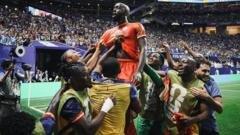
Africa's transformation at the World Cup stands as a remarkable story of progress from the 2018 tournament in Russia, where none of the five teams advanced beyond the group stage and they recorded just three wins out of fifteen matches. Eight years later at the 2026 World Cup, ten African nations competed and nine of them moved forward, with only Tunisia falling short. This shift brings deep pride to communities across Senegal and the wider continent, where football serves as a shared language that unites families in Dakar neighborhoods and villages alike.
The success reflects years of steady effort that resonates with Senegalese values of resilience and collective support. In homes from Thiès to Ziguinchor, elders now speak of how the continent's teams turned earlier setbacks into motivation. The results validate the belief that African talent, when given opportunity, can stand tall on the global stage without losing its rooted identity.
Nine Teams Advance and Celebration Spreads
Of the ten African teams at the 2026 World Cup, nine progressed past the group stage, with Cape Verde, Egypt, Ivory Coast, Morocco and South Africa finishing as runners-up while Algeria, DR Congo, Ghana and Senegal advanced in third place. Senegal's own qualification in third place carries special meaning for fans who gather under the baobab trees to watch matches and share stories of national pride. This broad advancement marks a continent-wide achievement that lifts spirits from the Atlantic coast to the savannas.
The lone exception of Tunisia does not dim the overall joy, as the collective performance shows how shared continental goals can overcome individual disappointments. In Senegal, this outcome connects to everyday life where young players train on dusty pitches with the same determination seen in the national team. The advancement fuels conversations in markets and family compounds about the power of persistence.
Asia Reflects While Africa Rejoices
Asia's nine representatives managed only two teams advancing from the group stage, recording three victories across twenty-seven games for an average of 0.67 points per game. In contrast, African nations played thirty matches and secured ten wins at 1.33 points per game. These numbers highlight a clear difference in outcomes that leaves Asian federations examining their approaches while African supporters celebrate openly.
The contrast feels especially meaningful in Senegal, where community gatherings often compare continental stories to local proverbs about steady growth. African teams demonstrated greater consistency, turning the expanded tournament into an opportunity rather than a challenge. This performance invites reflection on how different regions prepare their players for the demands of the world stage.
Expansion Finds Its Justification
Gianni Infantino's expansion of the World Cup received approval well before the 2018 tournament, yet Africa's poor showing in Russia at that time raised questions about the added places. By 2026, the results from ten African teams have removed those doubts entirely, proving the value of broader participation. The continent's strong showing now stands as clear evidence that more teams from Africa strengthen the competition overall.
In Senegal, this development aligns with a cultural appreciation for inclusive growth that mirrors traditional village assemblies where every voice matters. The earlier concerns have given way to recognition that the expanded format allowed African football to display its depth. Supporters across the country view this as a step toward greater equity in global sports governance.
Investments in Youth and Development Bear Fruit
Confederation of African Football president Patrice Motsepe attributes the progress to hard work and investments in youth football development, coaching and professional leagues across the continent. These efforts have built stronger foundations that now produce consistent results at the highest level. In Senegal, such investments echo long-standing community practices of nurturing young talent through local clubs and school programs.
The focus on grassroots work connects directly to daily life where children play with improvised balls in open fields, dreaming of representing their nations. Motsepe's words highlight how sustained commitment at every level creates pathways for players to reach the World Cup. This approach fosters a sense of shared ownership that strengthens bonds between fans and teams throughout Africa.
Morocco Sets the Blueprint in Qatar
The first clear signs of improvement appeared at the 2022 World Cup in Qatar, where two African nations reached the knockout stage for the first time. Morocco achieved a historic run to the semi-finals by defeating Belgium, Spain and Portugal before France ended their journey. This performance created a model that other nations have followed with similar dedication to long-term planning.
Former Nigeria captain William Troost-Ekong noted that Morocco showed how years of investing in grassroots football and academies can deliver results. In Senegal, this blueprint resonates with cultural traditions of passing knowledge from one generation to the next, much like griots preserve history through storytelling. The Moroccan example continues to inspire young players who see a clear path from local fields to international success.
European Leagues Strengthen African Squads
Many African players now compete in major European leagues, a factor cited by Jordan coach Jamal Sellami as key to the continent's edge. Morocco fielded twenty players from its twenty-six-man squad in Europe, with fifteen in the top five leagues, while DR Congo had twenty-four players based in Europe. These experiences abroad bring tactical maturity and physical conditioning that translate directly to World Cup matches.
Senegalese families often celebrate players who return from Europe with new skills while remaining connected to their roots. The presence of these athletes in top competitions builds confidence across the continent that African football can match any style of play. This trend supports the broader narrative of growth through exposure without losing cultural identity.
Knockout Stage Awaits With Renewed Hope
South Africa exited in the last thirty-two after a late goal from Canada, while Morocco prepares to face the Netherlands and sits sixth in the FIFA world rankings. Algeria will meet Switzerland, Ghana takes on Colombia, and defending champions Argentina play Cape Verde. These matchups place African teams in direct competition with established powers, carrying the hopes of millions.
Across Senegal, these fixtures spark lively debates in tea circles and family homes about tactics and player matchups. The continental success at this World Cup reinforces a warm sense of unity that transcends borders, reminding everyone that shared progress brings greater joy than isolated victories. The performances honor the investments made and point toward an even brighter future for African football.
By Amara Diop, Staff WriterThis article was produced with AI-assisted research and editorial support. Reporting is based on sources cited in the article.
What's Your Reaction?
 Like
0
Like
0
 Dislike
0
Dislike
0
 Love
0
Love
0
 Funny
0
Funny
0
 Wow
0
Wow
0
 Sad
0
Sad
0
 Angry
0
Angry
0

West Africa/Sahel Correspondent at Global1.News. Dakar-based journalist covering politics, security, climate, and development across Francophone and Anglophone West Africa. Tells the stories of a region undergoing profound transformation.











Comments (0)