
UK Heatwave July 2026: Met Office Issues Amber Warning as Third Wave Hits and Europe Wildfires Burn
The United Kingdom is preparing for its third heatwave of 2026, with the Met Office issuing an Amber Extreme Heat Warning for Monday and Tuesday, 6-7 July. Forecasters expect temperatures to climb to 33-34°C widely across southern and eastern England, with isolated peaks of 35°C possible in London and the south-east. This follows June’s record-breaking spell, which made England
The United Kingdom is preparing for its third heatwave of 2026, with the Met Office issuing an Amber Extreme Heat Warning for Monday and Tuesday, 6-7 July. Forecasters expect temperatures to climb to 33-34°C widely across southern and eastern England, with isolated peaks of 35°C possible in London and the south-east. This follows June’s record-breaking spell, which made England’s warmest June on record.
UK Heatwave July 2026: Third Wave and European Wildfires Threaten Public Health
London, UK – 5 July 2026 —
UK Braces for Third Heatwave of 2026
The Met Office Amber Extreme Heat Warning, valid from 12:00 BST on Monday 6 July to 20:00 BST on Tuesday 7 July, covers large parts of England. Temperatures are projected to reach 33-34°C across southern and eastern regions, with 35°C possible in parts of London, Essex and Kent. This marks the third significant hot spell for many areas this year, following earlier episodes in May and June. The current event is not expected to match June’s intensity but could persist longer, stretching into mid-July according to extended outlooks.
Public services are already mobilising. Greater Manchester Council has confirmed it will open cooling centres in Manchester city centre and Salford from Saturday 4 July, targeting older residents and those in high-rise social housing without adequate ventilation. Birmingham City Council has announced similar facilities at libraries in Sparkbrook and Aston. The NHS has instructed trusts to increase emergency department staffing and conduct daily welfare checks on care home residents. These measures reflect lessons from previous summers when heat-related admissions rose sharply in urban heat islands.
Transport operators are also on alert. Network Rail has deployed additional track inspection teams on the West Coast Main Line and Great Western routes, where rail buckling remains a risk above 30°C. Highways England is monitoring the M25 and M6 for surface deformation. The Environment Agency has warned of heightened wildfire risk on heathland in Surrey and Hampshire, urging the public to avoid disposable barbecues.
Health Alerts Cover Six English Regions
The UK Health Security Agency has issued week-long Yellow Heat Health Alerts covering the East Midlands, West Midlands, East of England, London, South East and South West. The alerts run from 12:00 BST on Saturday 4 July until 20:00 BST on Saturday 11 July. They highlight elevated risks for people over 65, those with cardiovascular or respiratory conditions, and residents of care homes or prisons.
NHS England has activated its national heatwave plan, requiring trusts to increase emergency staffing by at least 10% in affected regions and to prioritise hydration checks for inpatients. In London, University College London Hospitals NHS Foundation Trust has opened additional assessment bays at its emergency departments. In the East Midlands, Nottingham University Hospitals has redeployed community nurses to conduct home visits for patients with chronic obstructive pulmonary disease.
Socioeconomic disparities are stark. Analysis by the Office for National Statistics shows excess heat mortality is 40% higher in the most deprived neighbourhoods of Birmingham and Leicester compared with affluent suburbs. Many low-income households lack access to air conditioning or even adequate shading. Local authorities in these areas have prioritised outreach through housing associations and food banks.
Europe Records Most Severe Heatwave on Record
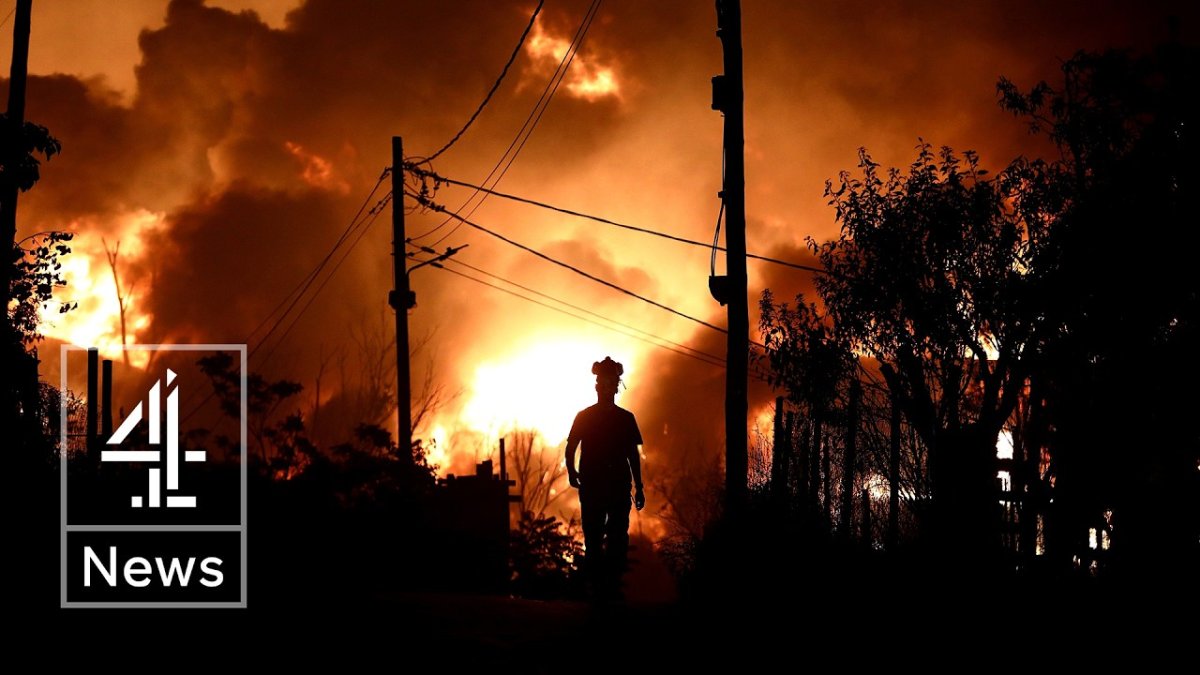
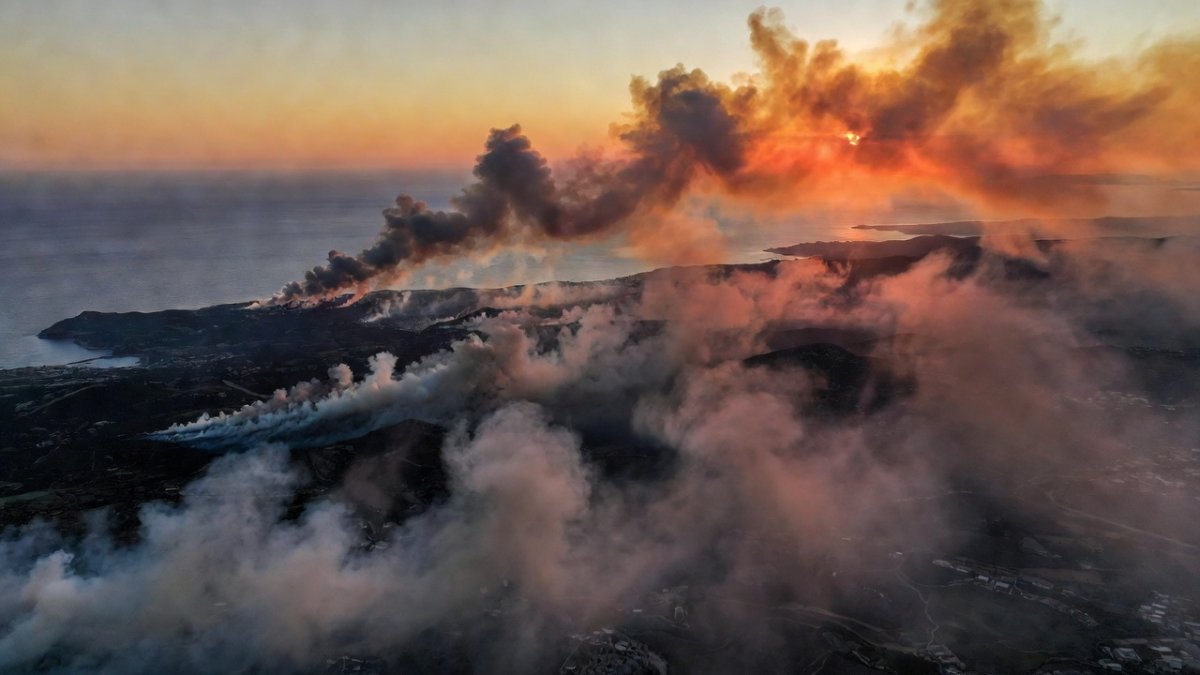
Across the continent, the World Weather Attribution group has described the current heatwave as the most severe and widespread ever recorded. By 5 July, more than 5,600 excess deaths had been attributed to the heat across Europe. Portugal, Greece and Spain are battling major wildfires, with Spain and Italy dispatching specialist firefighting teams and aircraft to support Portuguese efforts in the Alentejo and central regions.
France recorded 2,025 excess deaths during the June peak, while Germany logged a national record of 41.7°C. The pattern of prolonged high temperatures has strained electricity grids and water supplies from Lisbon to Athens. Agricultural losses are mounting, with olive and grape harvests already forecast to fall sharply in southern Europe.
The human cost extends beyond immediate fatalities. Hospitals in Madrid and Athens have reported surges in heatstroke cases among outdoor workers, while tourism-dependent economies face cancellations as travellers avoid the worst-affected zones.
Climate Science Leaves Little Room for Doubt
The World Weather Attribution consortium states that events of this magnitude would have been “virtually impossible” without human-induced climate change. The last eleven years have been the warmest eleven on record globally, and 2026 is continuing that trajectory. The Met Office has confirmed that anthropogenic warming has made UK heatwaves both more likely and more intense.
June 2026 was England’s warmest June since records began in 1884. Central England Temperature data show a 2.1°C anomaly above the 1961-1990 average. Scientists emphasise that every additional fraction of a degree increases the frequency of such extremes. The Climate Change Committee has warned that current adaptation measures remain insufficient for the trajectory now being observed.
Public Health England’s successor body, the UKHSA, has updated its modelling to reflect these new baselines, projecting that heat-related mortality could rise by 25% by 2030 without accelerated action on both mitigation and adaptation.
Regional Contrasts Across the British Isles
While southern and eastern England face the highest temperatures, northern and western areas will experience more moderate conditions. North East England and eastern Scotland are forecast to reach the mid-to-high 20s, while Lancashire, the Lake District, western Scotland and Northern Ireland will see low-to-mid 20s. Coastal locations benefit from sea breezes, though humidity may remain oppressive inland.
Urban centres such as Manchester and Leeds will still experience significant overnight temperatures, reducing the opportunity for recovery. Rural communities in the South West face additional pressure on water supplies, with South West Water already urging hosepipe restraint. These regional differences highlight the need for tailored local responses rather than a one-size-fits-all national approach.
The Policy Gap: Net Zero Divisions Persist
Political divisions over the net zero transition remain pronounced. While the Climate Change Committee has called for faster delivery of adaptation measures, including mandatory overheating standards for new homes, Conservative MPs have criticised the pace of change as economically damaging. Labour has pledged to accelerate renewable deployment but faces pressure from trade unions concerned about job impacts in carbon-intensive sectors.
The absence of a fully funded national heat adaptation strategy leaves local councils to fill gaps with limited resources. Greater Manchester’s cooling centre programme, for example, relies partly on charitable funding. Without clearer central government direction, the UK risks repeating the reactive cycle seen in previous summers.
What Comes Next — Preparedness and Forecast
The hot spell could persist into mid-July, with the Met Office monitoring the potential for further warnings. Councils and NHS trusts are reviewing protocols daily, while the Environment Agency continues to assess drought risk in southern river catchments. Long-term, experts stress that only rapid emissions reductions combined with robust adaptation can limit future impacts.
Public awareness campaigns are being stepped up through local radio and social media, urging residents to check on vulnerable neighbours. The coming weeks will test whether the UK’s preparedness has genuinely improved since previous heat events. By Erica Thornton, Staff Writer
This article was produced with AI-assisted research and editorial support. Reporting is based on sources cited in the article.
What's Your Reaction?
 Like
0
Like
0
 Dislike
0
Dislike
0
 Love
0
Love
0
 Funny
0
Funny
0
 Wow
0
Wow
0
 Sad
0
Sad
0
 Angry
0
Angry
0

US Politics and Policy Correspondent at Global1.News. Based in Washington DC, covering American politics, policy, elections, and the courts. Knows how the system works and tells you what it actually means.












Comments (0)