
UGC Strengthens Rules to Block AI Misuse and Plagiarism in PhD Research
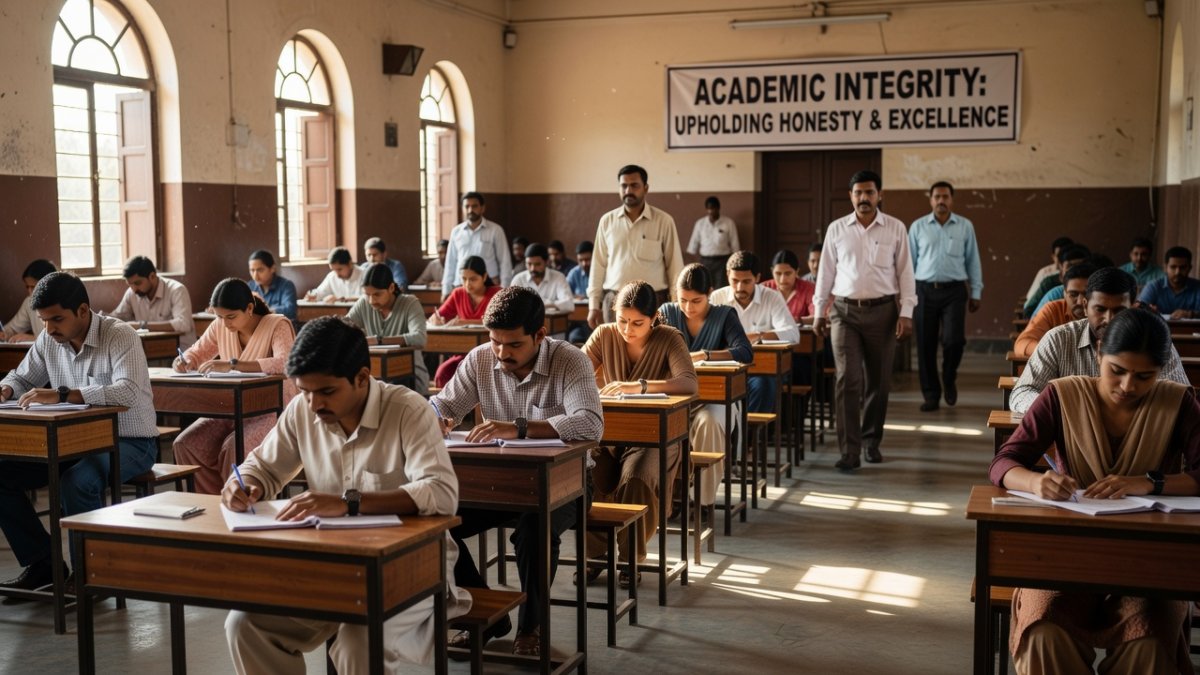
On June 6, 2026, the University Grants Commission announced stricter enforcement of its 2018 regulations to curb AI-generated content and plagiarism in PhD theses across Indian universities. This move directly targets the rising misuse of tools like ChatGPT, with explicit rules treating unacknowledged AI output as plagiarism. The policy shift carries immediate consequences for
UGC Strengthens Rules to Block AI Misuse and Plagiarism in PhD Research
Foundations in the 2018 UGC Regulations
The University Grants Commission enforces the UGC (Promotion of Academic Integrity and Prevention of Plagiarism in Higher Educational Institutions) Regulations, 2018, which now explicitly classify unacknowledged AI usage as plagiarism. Mandatory screening through software such as Turnitin applies to every PhD submission. These rules align with the National Education Policy 2020 emphasis on research integrity and quality assurance in higher education.

BRABU Muzaffarpur Cases Trigger National Attention
Dozens of PhD theses at Babasaheb Bhimrao Ambedkar Bihar University in Muzaffarpur, Bihar, faced outright rejection after investigations revealed over 40 percent similarity from AI-generated material. Students had copied and pasted content from ChatGPT without attribution, prompting the university to return the theses for complete rewrites. This Bihar episode exposed vulnerabilities in the current oversight system and accelerated UGC's nationwide crackdown.
Calcutta University Sets a 10 Percent AI Limit
Calcutta University in West Bengal has proposed regulations capping AI-generated content in PhD theses at a maximum of 10 percent. If approved by the Syndicate, any thesis exceeding this threshold will face outright rejection. The proposal builds on existing plagiarism penalties that scale with similarity percentages and reflects growing concern among eastern Indian universities about generative AI tools.
Penalties Scaled by Similarity Thresholds
Plagiarism cases involving 40 to 60 percent similarity now attract stricter penalties, including thesis rejection, mandatory rewrites from scratch, financial penalties, and possible disciplinary proceedings. Higher similarity levels trigger even harsher measures under the updated framework. These graduated sanctions aim to deter both deliberate copying and casual reliance on AI without proper citation.
Implications for Indian PhD Students and Universities
PhD scholars in states such as Bihar, West Bengal, and beyond must now master ethical AI use and rigorous attribution practices to avoid career setbacks. Universities face increased administrative burdens for mandatory detection checks and potential loss of research output. Taxpayers funding higher education through the Ministry of Education expect these measures to safeguard the credibility of Indian doctoral degrees.
Alignment with NEP 2020 and Future Research Standards
The UGC action reinforces NEP 2020 goals of promoting original research and reducing academic misconduct across the higher education system. Institutions including AIIMS, IITs, and state universities will likely adopt similar thresholds to maintain funding eligibility and accreditation. This policy evolution signals a broader shift toward technology-aware integrity frameworks that protect India's research ecosystem from emerging threats.
— By Dr. Raj Patel, Staff WriterThis article was produced with AI-assisted research and editorial support. Reporting is based on sources cited in the article.
What's Your Reaction?
 Like
0
Like
0
 Dislike
0
Dislike
0
 Love
0
Love
0
 Funny
0
Funny
0
 Wow
0
Wow
0
 Sad
0
Sad
0
 Angry
0
Angry
0

India/South Asia Correspondent at Global1.News. Analytical voice with a background in science and health journalism. Based in New Delhi, covering Indian politics, education, healthcare, technology, and policy. Breaks down complex data into clear, actionable reporting.













Comments (0)