
Trump-Putin Independence Day Call: Ukraine and NATO Summit
The Trump-Putin Telephone Exchange U.S. President Donald Trump spoke with Russian leader Vladimir Putin by telephone for nearly 90 minutes on Saturday, which coincided with U.S. Independence Day. During the conversation, Trump offered to assist in finding a solution to the war in Ukraine, according to Kremlin aide Yuri Ushakov, whose comments were made public early on Sunday. U
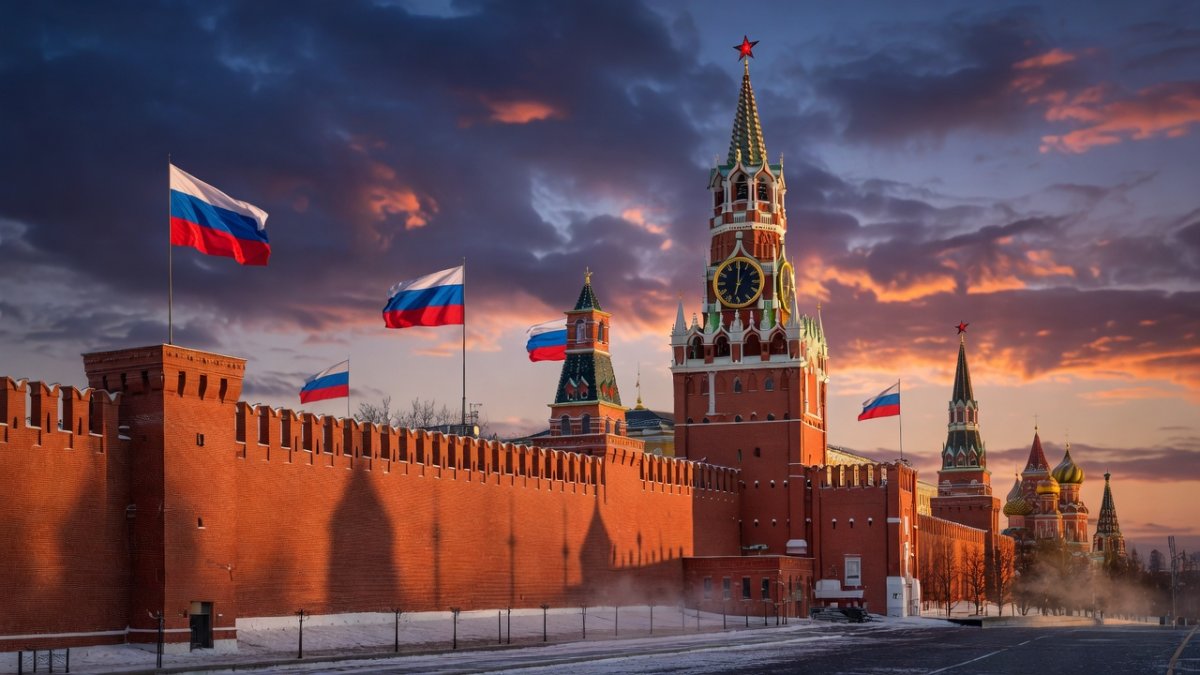
The Trump-Putin Telephone Exchange
U.S. President Donald Trump spoke with Russian leader Vladimir Putin by telephone for nearly 90 minutes on Saturday, which coincided with U.S. Independence Day. During the conversation, Trump offered to assist in finding a solution to the war in Ukraine, according to Kremlin aide Yuri Ushakov, whose comments were made public early on Sunday. Ushakov described the exchange as business-like and quite constructive, noting that it occurred ahead of Trump's planned participation next week at the NATO summit in Turkey.
Ushakov reported that Trump once again confirmed his readiness to work toward a rapid end to the fighting and to identify solutions for overcoming the crisis. The Kremlin aide emphasized that Russian officials sought a political-diplomatic resolution of the conflict while taking into account Russia's fundamental approach. This framing aligns with statements from Russian officials who have consistently highlighted the need for negotiations that address core security concerns raised by Moscow.
Washington's envoys Steve Witkoff and Jared Kushner were mentioned by Trump as continuing efforts to broker a settlement, with preparations noted for another potential visit to Moscow. Ushakov conveyed that Putin expressed appreciation for these diplomatic channels while underscoring the ongoing battlefield realities as described by Russian commanders. Ukrainian perspectives, voiced separately by President Volodymyr Zelenskiy, have stressed the importance of sustained international pressure to achieve a just outcome rather than concessions that might reward aggression.
European Union and NATO allies have viewed such high-level contacts with caution, often stressing that any settlement must respect Ukraine's sovereignty and territorial integrity. Ushakov's account positioned the call as an opportunity to advance Russian priorities, yet analysts from Western institutions interpret these exchanges as part of broader efforts to test diplomatic openings amid prolonged hostilities.
Russia's Stated Conditions for Settlement
Kremlin aide Yuri Ushakov stated that Russia continues to pursue a political-diplomatic resolution of the conflict with due account of Russia's fundamental approach. This position includes demands that any agreement incorporate Moscow's control over Ukraine's Donbas region, a requirement Ukrainian officials have repeatedly rejected as incompatible with national sovereignty. Ushakov accused Kyiv and its European allies of seeking to extend and escalate the conflict through support for long-range strikes on Russian targets.
Russian commanders briefed Putin on Friday regarding advances in eastern Ukraine, framing these developments as evidence of steady progress toward strategic objectives. Ushakov linked these battlefield gains to the necessity of addressing Russia's security concerns in any negotiated outcome. From the Ukrainian side, officials maintain that territorial concessions would only encourage further demands and undermine the defensive line in the Donetsk region.
EU and NATO statements have consistently called for negotiations based on international law and Ukraine's right to choose its alliances, rather than preconditions set by Moscow. Ushakov's remarks highlighted accusations of terrorism against civilians attributed to Ukrainian actions, particularly strikes on oil infrastructure that have led to fuel shortages in several Russian regions. These claims contrast with Ukrainian assertions that such operations target military-related assets to degrade Russia's war-making capacity.
Analysts note that Russia's insistence on full Donbas control reflects long-standing positions articulated by the Kremlin, while Ukrainian leadership has proposed direct meetings between Zelenskiy and Putin as a potential pathway. The divergence in these conditions underscores the challenges facing any mediated process involving U.S. envoys.
Battlefield Claims: The Kostiantynivka Dispute
Russian military officials informed President Vladimir Putin on Friday that forces had captured the strategically important city of Kostiantynivka in eastern Ukraine's Donetsk region. This claim was promptly rejected on Saturday by Ukrainian President Volodymyr Zelenskiy, who described it as another Russian lie intended to generate news value, and by Ukraine's General Staff, which affirmed that Kyiv's forces retained control of the city.
Kostiantynivka forms the southernmost point of a defensive line critical to Ukraine's efforts to hold the industrialized Donetsk region. Analysts have assessed that Russian capture of the city could provide a foothold for further northward advances along this belt, potentially altering the operational dynamics in the east. Ukrainian statements emphasize ongoing defensive operations and the resilience of positions despite intense pressure.
From the Russian perspective, such advances demonstrate the armed forces' ability to liberate localities progressively, as depicted by Putin in his discussions. NATO assessments have highlighted the broader pattern of attritional fighting in Donetsk, where both sides report incremental changes amid high casualties. EU officials have pointed to the humanitarian costs of these operations, urging renewed focus on de-escalation measures.
The competing narratives around Kostiantynivka illustrate the information dimension of the conflict, with each side seeking to shape perceptions of momentum. Ukrainian sources stress verification through independent channels, while Russian reports tie battlefield developments directly to negotiation leverage.
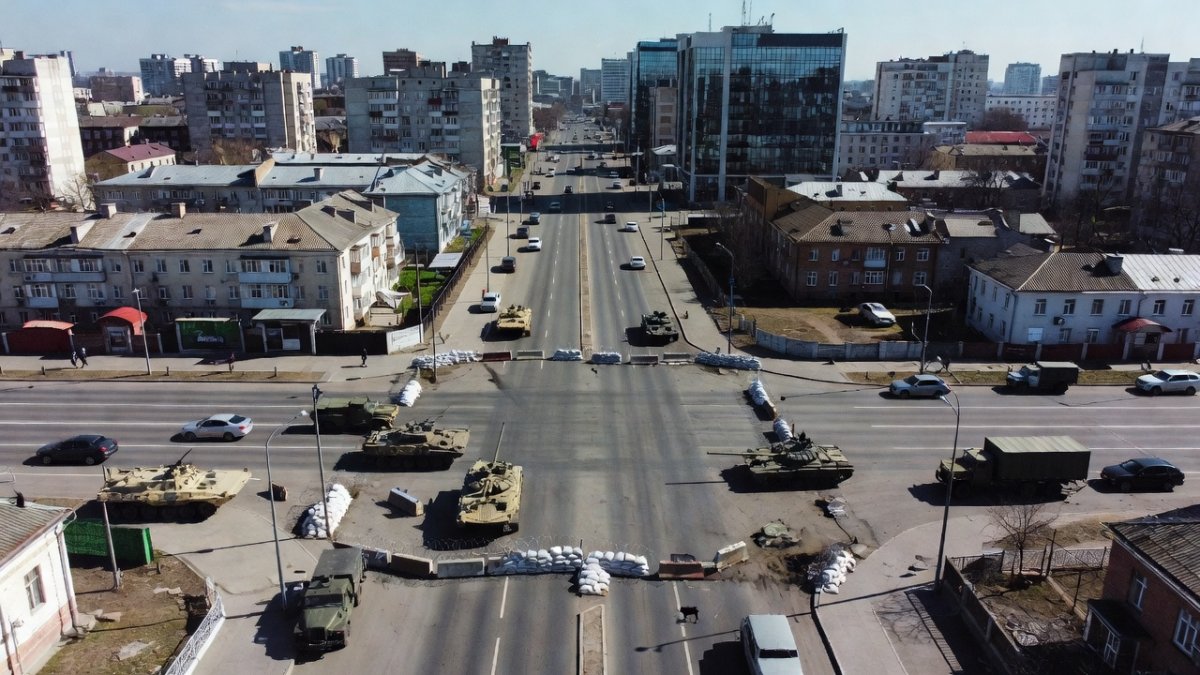
Escalation: Ukrainian Drone Campaign Against Russian Energy
Russia's Leningrad region and the city of St. Petersburg faced a large-scale Ukrainian drone attack overnight on Saturday, according to regional governors. St. Petersburg Governor Alexander Beglov reported strikes on the city's oil terminal, while Leningrad region Governor Alexander Drozdenko stated that 72 drones were shot down, with impacts at the port of Vysotsk approximately 170 kilometers northwest of St. Petersburg on the Baltic Sea.
Ukrainian President Volodymyr Zelenskiy confirmed that defense forces targeted port oil infrastructure and the military site at Kronstadt. These operations form part of an intensified Ukrainian campaign against Russian energy facilities this year, which Russian officials link to resulting fuel shortages in multiple regions. Ushakov referenced these strikes when accusing Kyiv of pursuing escalation through such means.
From Ukraine's standpoint, the strikes aim to disrupt logistics supporting military operations and impose economic costs on Russia. NATO members have expressed concern over the widening scope of attacks on energy infrastructure, noting potential spillover effects on regional stability. EU statements have called for accountability regarding civilian impacts while acknowledging Ukraine's right to self-defense.
Russian authorities described the drone assault as a significant escalation, with Beglov characterizing it as large-scale. The pattern of strikes on oil-related targets reflects Ukraine's strategy of targeting vulnerabilities in Russia's rear areas, even as Moscow advances claims of battlefield superiority.
Zelensky's Parallel Diplomacy
Ukrainian President Volodymyr Zelenskiy described his own conversation with U.S. President Donald Trump as very good, including detailed discussion of the war's 1,200-kilometer front line. Zelenskiy stated that there is a real prospect to end the war and that American resolve will have crucial meaning in achieving that outcome. He noted agreement with Trump to continue these discussions at the upcoming NATO summit in Turkey.
Zelenskiy's outreach parallels the Trump-Putin call and underscores Ukraine's efforts to maintain direct channels with Washington. Ukrainian officials have emphasized the need for sustained support to strengthen negotiating positions, rather than premature concessions. This approach aligns with positions articulated by NATO allies who stress collective defense commitments.
EU perspectives have welcomed continued U.S. engagement while advocating for coordinated strategies that include security guarantees for Ukraine. Zelenskiy urged Putin last month to hold a one-on-one meeting, though the Kremlin leader declined, according to prior reports. The front-line focus in the Trump discussion highlights operational realities that Ukrainian forces face daily.
Analysts interpret Zelenskiy's diplomacy as an attempt to leverage American influence at the NATO gathering to advance Ukrainian priorities. Such parallel contacts illustrate the multi-track nature of current efforts amid stalled bilateral channels.
Geopolitical Constraints: The Iran Factor
U.S. diplomatic efforts regarding Ukraine have virtually stalled as Washington focuses on the conflict with Iran, according to Ushakov's account of the Trump-Putin conversation. Putin expressed hope that American diplomatic initiatives in the Iran conflict would allow for mutually acceptable long-term solutions on key settlement issues. This remark positioned the Iran situation as a competing priority influencing broader U.S. bandwidth.
Trump also received a reminder from Putin of an open invitation to visit Moscow, which remains on the table. Russian officials have framed this as an opportunity for direct engagement, while U.S. attention remains divided. Ukrainian and European officials have noted that such distractions could delay coordinated responses to developments on the Ukrainian front.
NATO statements have stressed the interconnected nature of security challenges, including those in the Middle East, yet maintained focus on supporting Ukraine's defense needs. Ushakov conveyed Putin's interest in seeing U.S. efforts yield results that might indirectly facilitate progress elsewhere. The interplay between these theaters reflects the global scope of current diplomatic pressures.
From an analytical standpoint, the Iran factor introduces additional variables into calculations about negotiation timing. EU representatives have advocated for sustained attention to Ukraine regardless of other crises, emphasizing alliance cohesion.
Analysis and Implications
The recent telephone exchange between Trump and Putin, alongside Zelenskiy's parallel contact, signals potential openings for renewed diplomatic activity ahead of the NATO summit in Turkey. However, persistent gaps over territorial conditions, particularly regarding Donbas, suggest that substantive progress may require bridging fundamental differences in approach. Russian claims of battlefield advances contrast with Ukrainian denials, complicating assessments of leverage at the negotiating table.
Ukrainian drone operations against energy infrastructure demonstrate Kyiv's capacity to impose costs, yet they also risk further escalation as noted by Russian officials. NATO and EU perspectives highlight the value of coordinated pressure and support to encourage meaningful talks, while cautioning against arrangements that might undermine long-term stability. The involvement of envoys Witkoff and Kushner indicates continued U.S. interest in facilitation, though constrained by other priorities.
Interpretations from Western analysts suggest that the Iran conflict's demands on U.S. resources could limit immediate breakthroughs on Ukraine, prompting calls for European leadership in sustaining momentum. Zelenskiy's emphasis on American resolve at the front line underscores the perceived importance of sustained backing. Russian insistence on its fundamental conditions remains a central obstacle, as articulated by Ushakov.
Overall, these developments point to a fluid diplomatic environment where the NATO summit may serve as a focal point for aligning positions among allies. Balanced outcomes would likely require addressing security concerns from multiple sides while respecting Ukraine's agency in any settlement process. Continued monitoring of battlefield claims and infrastructure strikes will shape the context for future exchanges.
By Irina Volkov, Staff WriterThis article was produced with AI-assisted research and editorial support. Reporting is based on sources cited in the article.
What's Your Reaction?
 Like
0
Like
0
 Dislike
0
Dislike
0
 Love
0
Love
0
 Funny
0
Funny
0
 Wow
0
Wow
0
 Sad
0
Sad
0
 Angry
0
Angry
0

Russia/Eastern Europe Correspondent at Global1.News. Covering Russian politics, energy, security, and the shifting dynamics of the post-Soviet space. Provides clear-eyed analysis on one of the world's most opaque regions.













Comments (0)