
USMCA Annual Reviews Extend Pact to 2036 for Mexican Trade
The July 1 Announcement and Its Immediate Context On July 1, 2026, US Trade Representative Jamieson Greer stated that the United States would not grant the USMCA a full 16-year extension during the joint review by the USMCA Free Trade Commission. The agreement, which replaced NAFTA in 2020 after negotiations begun in Donald Trump’s first term and later updated under the Biden a
The July 1 Announcement and Its Immediate Context
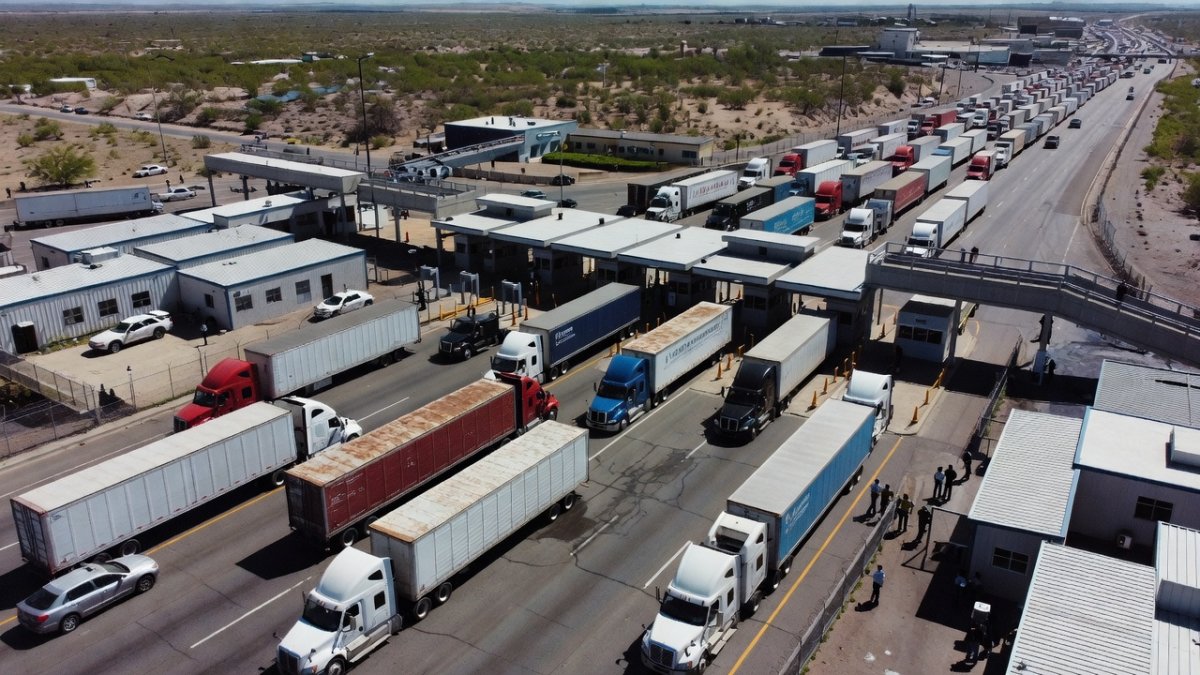
On July 1, 2026, US Trade Representative Jamieson Greer stated that the United States would not grant the USMCA a full 16-year extension during the joint review by the USMCA Free Trade Commission. The agreement, which replaced NAFTA in 2020 after negotiations begun in Donald Trump’s first term and later updated under the Biden administration, will instead continue under annual reviews through 2036. President Claudia Sheinbaum of the Sheinbaum administration emphasized that the three countries may still agree to a longer extension at any point during the coming decade. This measured approach keeps the pact active while opening space for further dialogue.
Reassurance Delivered at the July 2 Mañanera
Economy Minister Marcelo Ebrard joined President Sheinbaum at her Thursday mañanera on July 2, 2026, inside the Palacio Nacional. Ebrard told the nation that the treaty “remains in force from now until 2036.” He highlighted that 85 percent of Mexican exports currently enter the United States tariff-free under the deal. The message reached families across the country who depend on steady cross-border commerce, offering a sense of continuity rooted in the AMLO legacy of protecting national interests while engaging partners.
Daily Realities for Maquiladora Employees Along the Border
Maquiladora workers in cities from Tijuana to Ciudad Juárez organize their lives around predictable access to US markets. With the agreement continuing under annual reviews, these employees can plan for steady shifts rather than sudden tariff spikes. Many households count on the 85 percent tariff-free flow that Ebrard described. Concanaco Servytur has been tracking these trade impacts at the local level, noting how even small disruptions ripple through family budgets for groceries, school supplies, and medical care. The Sheinbaum administration’s focus on maintaining the pact supports the daily rhythm of these communities that have grown alongside the border economy for generations.
Pressures Facing Farmers and Agricultural Producers
Mexican farmers who send avocados, tomatoes, and berries northward face the same annual-review structure. The certainty that the agreement stays active until 2036 helps cooperatives schedule planting cycles and secure financing. Yet the upcoming bilateral talks scheduled for July 20 carry added weight for those who also contend with Section 232 tariffs on related equipment and vehicles. Rural families in states tied to export agriculture watch developments from the Congreso de la Unión and the Presidencia, hoping the third round of discussions will ease costs that affect everything from tractor maintenance to packing-house jobs. This continuity echoes the community-centered priorities long championed under the Morena movement.
Small Business Owners and Neighborhood Economies
Small business owners who supply parts, packaging, and logistics services to larger exporters feel the agreement’s stability directly. Annual reviews introduce a layer of planning that differs from a long-term extension, yet the pact’s continued force prevents immediate tariff walls. Concanaco Servytur continues monitoring how these owners adapt in markets from Monterrey to Mérida. Families running modest talleres or transport services appreciate the investor certainty President Sheinbaum noted, because steady export volumes keep local demand alive. The decision avoids abrupt change while Mexico prepares its priorities for the July 20 round focused on steel, aluminum, and vehicle tariffs.
Canada’s Parallel Position and Shared Priorities
Canada’s Trade Minister Dominic LeBlanc joined the initial discussions, placing Ottawa in the same annual-review framework. Mexican communities recognize that coordinated positions among the three partners can strengthen outcomes at the July 20 talks. Workers and producers on both sides of the northern border share an interest in lowering Section 232 burdens that affect supply chains. This trilateral reality reinforces the cultural and economic ties that have deepened since the USMCA replaced NAFTA in 2020.
Investor Confidence and the Road Ahead
President Sheinbaum has pointed out that the ongoing validity of the agreement increases certainty for investors considering Mexico. Business chambers such as Concanaco Servytur continue gathering data on how this stability supports job creation in manufacturing and agriculture. The Sheinbaum administration’s approach, building on the AMLO legacy, centers the well-being of ordinary Mexican people while engaging Washington and Ottawa. As the third round of talks approaches on July 20, attention remains on practical steps that protect the 85 percent of exports moving tariff-free and sustain the communities that rely on them.
By Rosa Martinez, Staff Writer
This article was produced with AI-assisted research and editorial support. Reporting is based on sources cited in the article.
What's Your Reaction?
 Like
0
Like
0
 Dislike
0
Dislike
0
 Love
0
Love
0
 Funny
0
Funny
0
 Wow
0
Wow
0
 Sad
0
Sad
0
 Angry
0
Angry
0

Latin America/Andes Correspondent at Global1.News. Based in Bogota, covering politics, environment, energy, and social movements across the Andean region. Passionate about environmental journalism and communities protecting their land.















Comments (0)