
Russia-NATO Nuclear Tensions Reshape Middle East Strategy
**Keywords:** Russia NATO, Sergei Karaganov, Ankara summit, US retrenchment, Turkey NATO, Middle East alliances, Iran nuclear, Gulf energy, great power competition, Abraham Accords, Vladimir Putin, Mark Rutte The Karaganov Moment and Its Ripples Across the Middle East The Karaganov Doctrine and Russian Nuclear Posture Sergei Alexandrovich Karaganov, head of the Council for Fore
The Karaganov Doctrine and Russian Nuclear Posture
Sergei Alexandrovich Karaganov, head of the Council for Foreign and Defense Policy and dean at Moscow’s Higher School of Economics, has warned that Europe has finally realized it is at war with Russia on Ukrainian territory after four years, four months, one week and five days. Yet he stresses that Russia is not fighting a war with Europe, yet. Karaganov belongs to a faction within the Russian elite that views President Vladimir Putin’s approach toward the West as too moderate.
He has argued that Russia must overcome the strategic parasitism that has formed over the past few years and has, above all, affected the European population. They have lost their fear of war, especially of a nuclear war. Ironically, it was precisely this fear that had been a stabilizing factor for the past 70 years. These statements connect directly to Middle Eastern calculations, where states weigh the credibility of nuclear thresholds amid Iran’s own nuclear program and regional proxy networks.
NATO’s Ankara Summit and Turkey’s Hosting Role
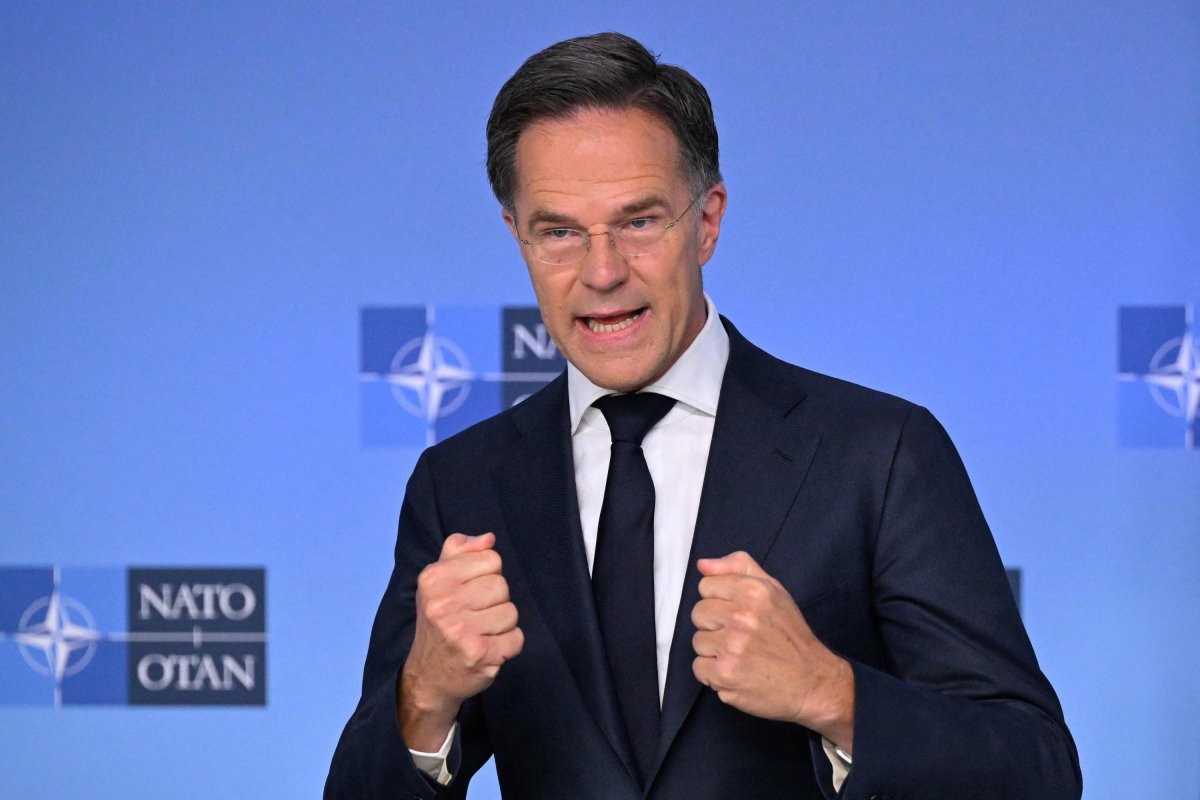
NATO chief Mark Rutte has described this week’s Ankara summit as being about delivery. Speaking at an Atlantic Council event, he argued that the Ankara summit could wind up even more important than last year’s in The Hague, where allies committed to spending 5 percent of their gross domestic product on defense. Rutte noted that Russian President Vladimir Putin is not afraid of commitments but is afraid of implementing those commitments, and directly addressed Putin by stating that is exactly what we are doing, Vladimir.
Turkey’s position as host places Ankara at the center of alliance messaging while it maintains its own balancing act between NATO obligations and relations with Russia. This hosting role amplifies Turkey’s leverage in discussions that affect energy routes, Black Sea security, and southern flank dynamics relevant to Syria, Iraq, and the eastern Mediterranean.
US Retrenchment and Its Meaning for Regional Actors
US media reporting indicates that Washington will no longer play the role of the world’s policeman. This shift forces Middle Eastern states to reassess reliance on American security guarantees. Gulf states pursuing economic diversification under frameworks such as Vision 2030 must now factor in reduced US forward presence when managing relations with Iran and its regional proxy networks.
Israeli security planning, already focused on Iranian nuclear advances and Hezbollah capabilities, confronts a landscape where US retrenchment could accelerate normalization efforts under the Abraham Accords while simultaneously increasing the premium on independent deterrence. The absence of automatic US intervention changes the leverage calculations for all parties.
Great Power Competition and Energy Market Implications
Russia’s willingness to escalate rhetoric against NATO intersects with China’s growing economic footprint in the Gulf and Iran’s efforts to secure sanctions relief. OPEC+ diplomacy, already sensitive to production quotas involving Saudi Arabia and Russia, faces additional uncertainty if nuclear signaling raises global risk premiums on oil prices.
Regional energy exporters gain short-term revenue from higher prices but confront longer-term questions about investment stability and diversification timelines. The strategic calculus for Qatar, the UAE, and Saudi Arabia now includes hedging between Russian energy coordination, Chinese infrastructure financing, and residual US security ties.
Iran’s Proxy Networks and Sunni-Shia Geopolitical Competition
Karaganov’s emphasis on restoring fear of nuclear war resonates in Tehran, where IRGC planners monitor NATO cohesion for signs of distraction from the Iranian nuclear file. Heightened Russia-NATO friction could provide Iran temporary diplomatic space, yet it also risks drawing greater international scrutiny to proxy activities in Lebanon, Syria, Iraq, and Yemen.
Sunni Arab states, particularly Egypt and Jordan, weigh the risk that Russian nuclear posturing might embolden Iranian assertiveness. The resulting competition shapes Arab League discussions and bilateral security arrangements that increasingly bypass traditional US mediation.
Strategic Implications for Turkey and Broader Regional Stability
Turkey’s dual role as NATO member and Ankara summit host gives it unique channels to both alliance planning and Russian counterparts. This position allows Ankara to influence outcomes on issues ranging from Black Sea grain corridors to Syrian stabilization, while managing its own exposure to great power competition between the United States, Russia, and China.
Second-order effects include accelerated Turkish defense industrialization, recalibrated relations with Gulf investors, and a more transactional approach to Israeli-Palestinian dynamics. The overall environment rewards states that maintain multiple partnerships rather than exclusive alignments.
By Malik Hassan, Staff WriterThis article was produced with AI-assisted research and editorial support. Reporting is based on sources cited in the article.
What's Your Reaction?
 Like
0
Like
0
 Dislike
0
Dislike
0
 Love
0
Love
0
 Funny
0
Funny
0
 Wow
0
Wow
0
 Sad
0
Sad
0
 Angry
0
Angry
0
Middle East Correspondent at Global1.News. Based in Beirut, covering politics, conflict, energy, and society across the Middle East. Brings context and depth to a region often reduced to headlines.











Comments (0)