
Temu hit with $232 million fine in EU over illegal products
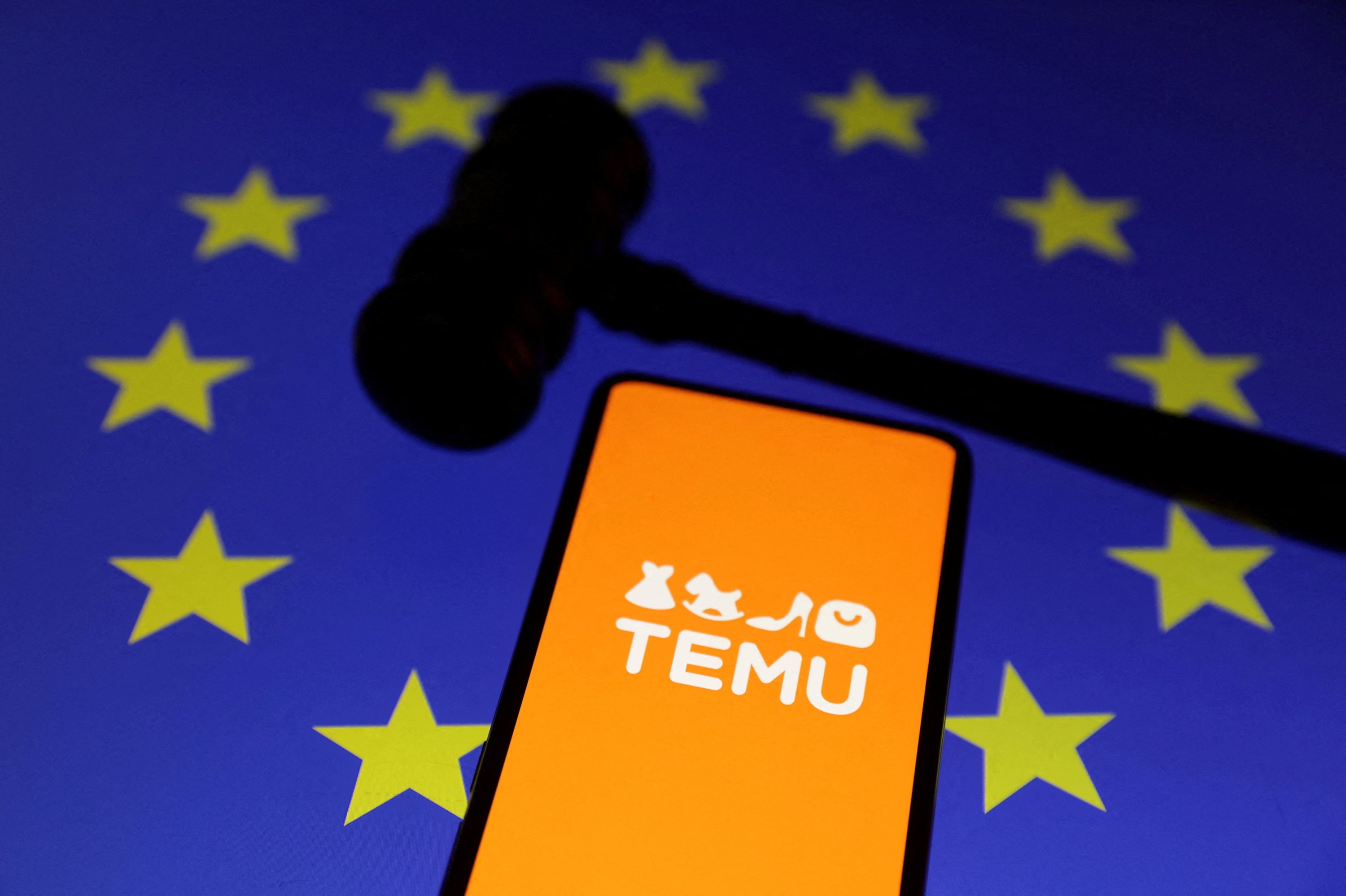
Temu Hit with $232 Million Fine in EU Over Illegal Products, Exposing Cracks in Global E-Commerce
EU Regulators Deliver Landmark Penalty to Chinese Platform
The European Commission has imposed a 200 million euro ($232 million) fine on Temu, the fast-growing Chinese e-commerce platform owned by PDD Holdings, following a sweeping investigation that uncovered systemic failures to shield consumers from counterfeit goods, unsafe electronics, and prohibited items. The penalty, announced this week in Brussels, marks one of the largest sanctions against a non-European digital marketplace and underscores the EU's determination to enforce its Digital Services Act (DSA) and consumer protection rules against platforms operating from beyond its borders.
Investigators found that Temu's algorithms and seller verification processes routinely allowed listings for products violating EU safety standards, including toys containing hazardous chemicals, electrical devices lacking proper certifications, and counterfeit luxury items. The platform, which has rapidly expanded across the bloc since its 2023 launch, reportedly processed millions of such transactions before corrective measures were taken. EU officials emphasized that the fine reflects not isolated lapses but a structural business model prioritizing speed and low prices over compliance.
Background: Temu's Explosive Growth and Regulatory Scrutiny
Temu entered the European market promising ultra-low prices through direct-from-factory sourcing in China. Its gamified app and aggressive marketing quickly captured market share, particularly among younger consumers in Germany, France, and the Netherlands. Yet this expansion coincided with a surge in consumer complaints logged through national authorities. Data from the EU's Rapid Alert System for dangerous non-food products (RAPEX) showed a disproportionate number of alerts linked to Temu shipments in 2024, ranging from flammable textiles to mislabeled cosmetics.
The investigation, launched under the DSA's risk-assessment provisions, examined internal documents revealing that Temu's automated moderation tools flagged fewer than 15% of suspect listings before consumer reports triggered action. Company representatives had argued that its scale—handling over 1.5 billion monthly active users globally—made perfect oversight impossible without stifling legitimate trade. Brussels rejected this defense, noting that comparable platforms like Amazon had invested heavily in proactive controls after earlier warnings.
Geopolitical Undercurrents: EU Asserts Sovereignty Amid China Tensions
From Beirut, the fine appears as another chapter in the EU's effort to recalibrate its economic relationship with Beijing. Middle Eastern observers note parallels with recent restrictions on Chinese electric vehicles and steel imports, where Brussels has blended consumer protection with strategic industrial policy. The Temu case arrives as Lebanon and other regional economies grapple with their own influx of low-cost Chinese goods via ports like Beirut and Tripoli, often bypassing rigorous safety checks due to capacity constraints.
Analysts at the European Council on Foreign Relations have pointed out that the penalty sends a signal beyond Europe: regulatory power can offset China's manufacturing dominance. "This is not merely about counterfeit handbags," remarked Dr. Elena Voss, a Brussels-based trade expert consulted for this report. "It tests whether platforms headquartered in authoritarian systems can be compelled to internalize Western rule-of-law standards." For Lebanese importers reliant on similar supply chains, the precedent may complicate future sourcing if EU-style verification requirements proliferate through bilateral trade agreements.
Expert Perspectives and Industry Reactions
Consumer advocacy groups welcomed the decision. The European Consumer Organisation (BEUC) cited internal Temu metrics showing that 8% of sampled orders contained prohibited substances, a figure the company has not disputed. "Platforms cannot claim ignorance when their own data dashboards reveal persistent violations," stated BEUC director Monique Goyens in a statement. Temu responded by committing to enhanced AI filtering and third-party audits, while hinting at an appeal that could prolong proceedings for years.
Economists warn of wider ripple effects. Professor Karim Haddad at the American University of Beirut noted that such fines may accelerate "friend-shoring" trends, pushing platforms to establish European warehouses and local compliance teams. This shift could raise prices for end consumers in emerging markets like Lebanon, where Temu's direct model had offered rare affordability amid currency collapse. Meanwhile, competitors such as Shein face parallel probes, suggesting the EU is methodically targeting ultra-fast-fashion and cross-border marketplaces.
Implications for Consumers and Global Trade
European shoppers may see immediate changes: stricter pre-shipment checks, clearer country-of-origin labeling, and faster removal of flagged items. Yet the fine's true impact lies in precedent-setting. It demonstrates that the DSA's extraterritorial reach can extract meaningful penalties even from platforms whose primary servers sit in China. For Middle Eastern regulators watching closely, the case offers a template for addressing parallel issues with platforms flooding regional markets with substandard goods.
Data from the World Trade Organization indicates that e-commerce cross-border flows from Asia to Europe grew 34% between 2022 and 2024, outpacing regulatory capacity in many jurisdictions. Temu's fine, equivalent to roughly 0.8% of its estimated European revenue, is calibrated to sting without crippling the company outright—signaling a preference for behavioral change over market exclusion.
Longer term, the episode highlights tensions between consumer access to affordable goods and the preservation of safety nets built over decades. In Lebanon, where informal imports already strain public health infrastructure, similar enforcement gaps persist. The EU action may indirectly pressure Chinese platforms to adopt uniform global standards, benefiting consumers from Beirut to Bangkok.
Looking Ahead: Enforcement Trends and Corporate Adaptation
Industry insiders expect Temu to accelerate its European legal entity expansions and local partnerships. Meanwhile, the Commission has signaled further investigations into algorithmic transparency, potentially leading to additional multimillion-euro sanctions. For policymakers in the Middle East, the takeaway is clear: digital trade rules are hardening, and platforms ignoring them risk not only fines but reputational damage that could affect market access across multiple continents.
The $232 million penalty thus represents more than a financial hit; it marks a maturation point in global e-commerce governance where consumer protection intersects with geopolitical strategy. As platforms adapt, the real test will be whether enforcement translates into safer products reaching shelves—or merely higher compliance costs passed to buyers.
This is Malik Hassan for Global1 News, reporting from Beirut. 🇱🇧
This article was produced with AI-assisted research and editorial support. Reporting is based on sources cited in the article.
What's Your Reaction?
 Like
0
Like
0
 Dislike
0
Dislike
0
 Love
0
Love
0
 Funny
0
Funny
0
 Wow
0
Wow
0
 Sad
0
Sad
0
 Angry
0
Angry
0

Middle East Correspondent at Global1.News. Based in Beirut, covering politics, conflict, energy, and society across the Middle East. Brings context and depth to a region often reduced to headlines.















Comments (0)