
Somali World Cup Referee Omar Artan Welcomed Home as Hero After US Entry Denial
The Hero's Welcome at Mogadishu Airport Omar Abdulkadir Artan stepped off his flight from Istanbul into a sea of Somali flags this week as thousands gathered at Mogadishu airport to celebrate his return. The 34-year-old referee, named CAF Men's Referee of the Year for 2025, received handshakes from senior government ministers who stood alongside ordinary fans waving banners. Ar
The Hero's Welcome at Mogadishu Airport
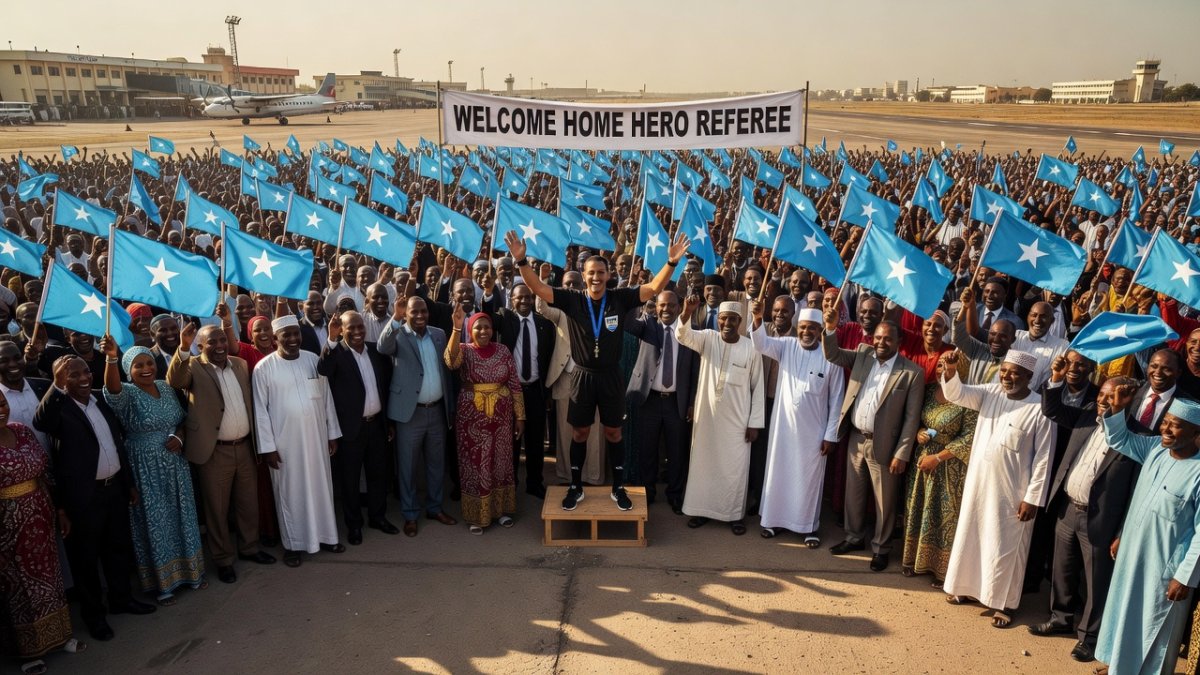
Omar Abdulkadir Artan stepped off his flight from Istanbul into a sea of Somali flags this week as thousands gathered at Mogadishu airport to celebrate his return. The 34-year-old referee, named CAF Men's Referee of the Year for 2025, received handshakes from senior government ministers who stood alongside ordinary fans waving banners. Artan had been turned away at Miami International Airport on Saturday 6 June despite holding a valid visa issued by the Somali embassy in Kenya.
The crowd chanted his name while President Hassan Mohamud later described Artan as a symbol of inspiration for the new generation of Somalis. Somalia's government expressed deep sadness over the incident and launched immediate diplomatic efforts to address the denial. Artan told supporters that Somalia remains theirs whether times are good or bad and urged the youth never to lose hope in their country.
This outpouring reflected the national pride tied to Artan's achievement as the first Somali selected among FIFA's 52 referees for the 2026 FIFA World Cup. The scenes at the airport showed how one individual's journey can unite a nation still rebuilding its sporting identity.
From Neighbourhood Pitches to FIFA Recognition
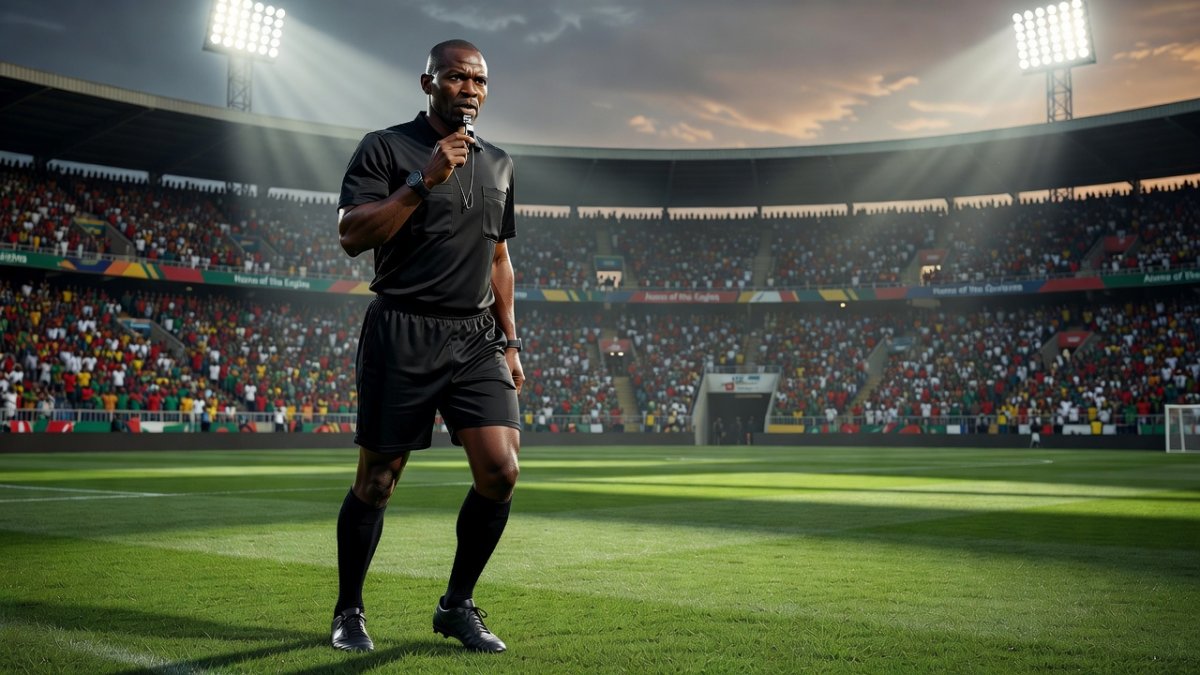
Artan began refereeing on the dusty neighbourhood pitches of Mogadishu after a leg injury ended his playing career. Mentored by Osman Jama Dirac, he earned his FIFA listing in 2018 and steadily climbed the continental ladder. His breakthrough came in January 2024 when he became the first Somali to officiate at the Africa Cup of Nations, handling the match between Tunisia and Namibia.
That performance led to his appointment for the CAF Champions League final second leg between AS FAR of Morocco and Mamelodi Sundowns of South Africa. Artan controlled the high-stakes encounter with authority, earning praise from both clubs for his calm decision-making under pressure. These milestones positioned him for the ultimate honour when FIFA named him to the 2026 World Cup roster.
His rise mirrors the determination of many African officials who start with limited resources yet reach the global stage through persistence and skill development programmes run by CAF.
The Denial at Miami International Airport
Artan arrived in Miami, Florida, on Saturday 6 June after travelling via Turkey, only to be declared inadmissible by US Customs and Border Protection. Officials cited vetting concerns and labelled him a national security threat, despite the visa he carried. Somalia sits on the Trump administration's travel ban list of 12 countries, a policy that directly affected his journey.
Artan was placed on a return flight to Istanbul and finally reached Mogadishu on Wednesday 10 June. FIFA stated it is not involved in host country immigration processes, leaving the referee to navigate the situation alone. Artan later said the experience was unfortunate yet expressed gratitude for the support FIFA provided throughout the ordeal.
The incident highlighted the unpredictable barriers that can derail even the most carefully planned international assignments for African sports professionals.
South Africa's Direct Link to Artan's Story
South Africa features among the six African nations represented by referees at the 2026 World Cup alongside Algeria, Egypt, Gabon, Mauritania and Morocco. Artan's most recent major assignment before the denial was the CAF Champions League final second leg against Mamelodi Sundowns, giving South African fans a direct connection to his work.
SAFA has long advocated for greater African representation in FIFA's elite referee panels, and Artan's selection marked a historic step for the continent. The Sundowns match demonstrated the level of trust placed in Artan by CAF when handling matches involving South African clubs in continental competition.
This shared pathway through African football governance shows how officials from across the continent support one another's progress toward global events.
Parallels With South Africa's Sporting History
South African sport endured decades of isolation during apartheid when national teams were barred from international competition by bodies including FIFA and the IOC. The return of the Springboks and other national sides after 1994 brought renewed focus on transformation and grassroots development through organisations such as SARU and SAFA.
Artan's experience of being denied entry despite proper documentation echoes the arbitrary exclusions South African athletes once faced. Today's emphasis on development programmes under SASCOC and the MultiChoice Diski Challenge aims to prevent similar barriers for the next generation of South African talent.
These historical lessons reinforce why South African fans watch events like Artan's story with particular empathy and renewed commitment to inclusive sporting policies.
Political Implications for World Cup Diplomacy
The denial occurred against the backdrop of the Trump administration's expanded travel restrictions and planned ICE operations during the World Cup period. New York mayor Zohran Mamdani criticised the surge, while CAIR deputy director Edward Ahmed Mitchell condemned the treatment of Artan. Iran's national team has also encountered visa complications and must now base itself in Mexico.
CAF has remained silent on the specific case, yet the incident raises questions about how host nation policies intersect with FIFA's selection of match officials. Somalia's government mounted diplomatic efforts immediately after the refusal, underscoring the political weight carried by sporting appointments.
For South African observers, the episode serves as a reminder that governance bodies like SAFA must maintain vigilance when preparing delegations for major tournaments.
Grassroots Development Across African Football
Artan's journey from local Mogadishu pitches to CAF and FIFA appointments illustrates the importance of sustained investment in referee education at the community level. CAF's referee development initiatives have produced officials capable of handling matches such as the CAF Champions League final involving Mamelodi Sundowns.
South African programmes through SAFA and the MultiChoice Diski Challenge similarly focus on identifying and training young referees who can progress to continental and global stages. Artan's story provides tangible proof that such pathways can lead to World Cup selection when the support structures remain consistent.
These efforts strengthen the overall quality of African football and create role models who inspire participation at every level of the game.
Looking Ahead to the 2026 World Cup and Beyond
The 2026 FIFA World Cup opens on Thursday 11 June in Mexico City with Artan watching from Mogadishu after his forced return. He has already promised supporters that, God willing, he will attend the next edition and continue representing Somalia on the world stage.
His words carry weight for South African fans who understand the long road from domestic leagues to global tournaments. The resilience shown by Artan aligns with the spirit that has driven transformation in South African sport through SARU, CSA and SAFA initiatives.
As preparations intensify across the continent, Artan's experience will serve as both a cautionary tale and a source of motivation for every African official aiming for future World Cups.
 By Dante Williams, Staff Writer
This article was produced with AI-assisted research and editorial support. Reporting is based on sources cited in the article.
What's Your Reaction?
 Like
0
Like
0
 Dislike
0
Dislike
0
 Love
0
Love
0
 Funny
0
Funny
0
 Wow
0
Wow
0
 Sad
0
Sad
0
 Angry
0
Angry
0

Breaking News and Investigations Correspondent at Global1.News. Based in London, covering global breaking news, security, and investigative stories. Known for digging deeper and connecting the dots across continents.









Comments (0)