
Senegal's World Cup Heartbreak: The Teranga Lions' Dramatic Exit Against Belgium
The Opening: A Fan's Vigil in Dakar In the bustling streets of Dakar, where the Atlantic breeze carries the scent of grilled fish from the markets near the Corniche, football fans gathered under the warm evening lights. At a popular spot in the Medina neighborhood, young men and women pulled plastic chairs close to a large screen, their voices rising with each pass. The air hum
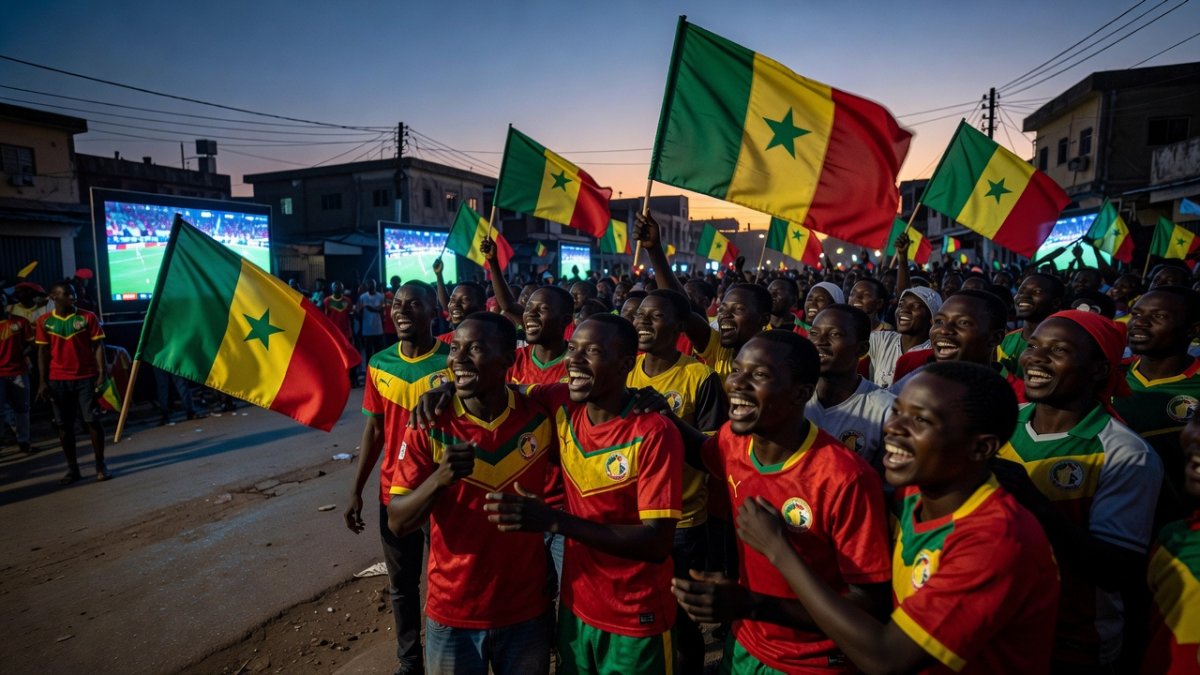
The Opening: A Fan's Vigil in Dakar
In the bustling streets of Dakar, where the Atlantic breeze carries the scent of grilled fish from the markets near the Corniche, football fans gathered under the warm evening lights. At a popular spot in the Medina neighborhood, young men and women pulled plastic chairs close to a large screen, their voices rising with each pass. The air hummed with anticipation as Senegal faced Belgium in the World Cup, a match that promised to test the Lions of Teranga once more. Locals sipped on attaya tea, sharing stories of past tournaments while children darted between tables, waving small flags.
The scene reflected daily life across the capital, where football threads through conversations at work and family gatherings. Supporters recalled the unity that comes with every international fixture, connecting coastal fishing communities to inland villages. As kickoff neared, cheers echoed from nearby homes, blending with the distant call to prayer. This gathering embodied the grounded spirit of Senegalese fans, who invest heart and hope without reservation, turning ordinary evenings into shared rituals of pride and excitement.
Even before the first whistle, the mood mixed optimism with quiet realism. Elders spoke of resilience drawn from Senegal's history, while younger viewers focused on current talents. The match represented more than sport; it offered a moment of collective pause amid economic routines and urban rhythms. Fans leaned forward, ready for whatever unfolded, their loyalty rooted in cultural bonds that transcend results.
The High Point: Diarra and Sarr Ignite Nationwide Joy
When Habib Diarra found the net, the explosion of celebration rippled from Dakar to Saint-Louis and beyond. In the Medina viewing spot, strangers embraced as if family, their shouts carrying over the sound of car horns outside. Ismaila Sarr soon added the second, pushing Senegal to a 2-0 lead with just four minutes remaining. The goals transformed quiet tension into unrestrained delight, with people spilling onto sidewalks to dance and sing traditional rhythms mixed with modern anthems.
Across Senegal, similar scenes unfolded in homes and public squares. In Thiès, market traders paused their evening sales to join the chorus of cheers. The performance highlighted the skill and determination that define the national team, drawing from training grounds where young players hone their craft under local coaches. Supporters felt a surge of identity, linking the moment to broader expressions of Senegalese hospitality and communal strength that characterize everyday interactions.
These strikes created lasting memories for a generation raised on stories of past glories. Families shared plates of ceebu jen while replaying the sequences, reinforcing football's place as a cultural unifier. The lead stood as proof of collective effort, inspiring conversations about dedication and the joy found in representing the nation on the global stage. Such highs strengthen social ties, reminding communities of shared purpose amid routine challenges.
The Collapse: Momentum Shifts in the Final Minutes
Belgium responded swiftly as Lukaku scored in the 86th minute, narrowing the gap and injecting urgency into the contest. The shift unsettled viewers in Dakar, where the once jubilant crowd grew hushed, eyes fixed on the screen. Tielemans then equalized in the 89th minute, erasing the lead and forcing extra time. What began as a showcase of control turned into a test of endurance, mirroring the unpredictable nature of high-stakes encounters.
The momentum change affected supporters deeply, prompting reflections on resilience during extended play. In neighborhoods like Grand Dakar, fans discussed tactics and individual efforts, drawing parallels to local matches where comebacks test character. The late surge from Belgium highlighted the fine margins in international football, yet Senegalese viewers maintained respect for both sides' commitment. This phase underscored how quickly fortunes evolve, a lesson familiar from community games played on dusty pitches after school.
Throughout extra time, the atmosphere remained charged with hope tempered by realism. Supporters encouraged one another, emphasizing the value of persistence over immediate outcomes. The sequence of events connected to broader narratives of Senegalese life, where adaptability sustains families through fluctuating circumstances. Even as the score leveled, the focus stayed on the team's display of heart, preserving dignity in the face of mounting pressure.
The VAR Controversy: Lamine Camara Decision and Lingering Echoes
A VAR review of Lamine Camara's challenge led to a penalty awarded in the 125th minute, with Tielemans converting what became the latest goal in World Cup history. The decision sparked immediate debate among fans in Dakar, who questioned the timing and interpretation under the lights of their viewing areas. This moment carried particular weight, recalling the Africa Cup of Nations final where a similar late VAR penalty against Morocco stripped Senegal of the title despite a 1-0 victory on the pitch.
The parallel resonated across discussions in local cafes, where elders compared the two episodes and their impact on national morale. The controversy did not diminish the team's effort but highlighted ongoing conversations about officiating consistency in major tournaments. Supporters in places like Pikine voiced frustrations while affirming their continued backing, viewing such incidents as part of the sport's evolving landscape rather than isolated setbacks.
These echoes from the Afcon final reinforced themes of fairness and perseverance that run through Senegalese culture. Families revisited the earlier tournament's memories, using them to frame the current disappointment within a longer story of growth. The incident prompted thoughtful exchanges about technology's role, yet the emphasis remained on unity and the human elements that define football's emotional pull in daily life.
What This Means: Teranga and Football in Senegalese Identity
The dramatic exit illuminated the culture of teranga, Senegal's cherished tradition of hospitality and communal support that extends to the national team. Coach Pape Thiaw captured this spirit with his words: "We must congratulate the team, who gave it their all." In Dakar households, these sentiments echoed during post-match gatherings, where conversations turned to the deeper role football plays in shaping identity across generations and regions.
Football serves as a mirror to Senegalese values, fostering connections between urban centers and rural areas through shared viewings and local leagues. The match outcome, though painful, reinforced how the sport weaves into economic and social fabrics, from street vendors selling jerseys to community events celebrating youth talent. Teranga manifests in the unwavering encouragement offered regardless of scorelines, strengthening bonds that sustain people through broader societal shifts.
This cultural dimension elevates matches beyond entertainment, linking personal stories to collective pride. Supporters in coastal villages and inland towns alike draw inspiration from the players' dedication, seeing reflections of their own resilience. The experience enriches national discourse, reminding communities of the enduring power of unity and grace under pressure that defines Senegalese character.
Looking Forward: Youth Academies and the Next Generation
Attention now turns to youth academies and local leagues that nurture emerging talent across Senegal. Programs in Dakar and surrounding regions focus on skill development, drawing from the same passion displayed in the World Cup match. These initiatives connect young players to mentors who emphasize discipline alongside creativity, preparing them for future opportunities on larger stages.
The next generation benefits from infrastructure improvements and community involvement that keep football accessible. In neighborhoods where children play daily, coaches stress fundamentals while instilling values of teamwork rooted in teranga. Local competitions provide platforms for discovery, linking grassroots efforts to national aspirations and sustaining interest year-round.
Forward momentum relies on continued investment in these foundations, ensuring Senegal's football story evolves with fresh voices. Families encourage participation as a pathway to personal growth, blending athletic pursuit with cultural education. This outlook preserves optimism, transforming the recent exit into motivation for sustained progress and deeper community engagement through the sport.
By Amara Diop, Staff WriterThis article was produced with AI-assisted research and editorial support. Reporting is based on sources cited in the article.
What's Your Reaction?
 Like
0
Like
0
 Dislike
0
Dislike
0
 Love
0
Love
0
 Funny
0
Funny
0
 Wow
0
Wow
0
 Sad
0
Sad
0
 Angry
0
Angry
0

Canada Correspondent at Global1.News. Based in Toronto, covering Canadian politics, energy, trade, and US-Canada relations. Provides the Canadian perspective on North American and global affairs.















Comments (0)