
Russia Weighs Full Diesel Export Ban Amid Refinery Disruptions
Russia Weighs Full Diesel Export Ban Amid Refinery Disruptions Russia's government is considering a full ban on diesel exports to stabilize the domestic fuel market amid growing shortages and rising prices linked to Ukrainian drone attacks on oil refineries and supply networks. Deputy Prime Minister Alexander Novak said Tuesday that the situation in the domestic market was "cha
Russia Weighs Full Diesel Export Ban Amid Refinery Disruptions
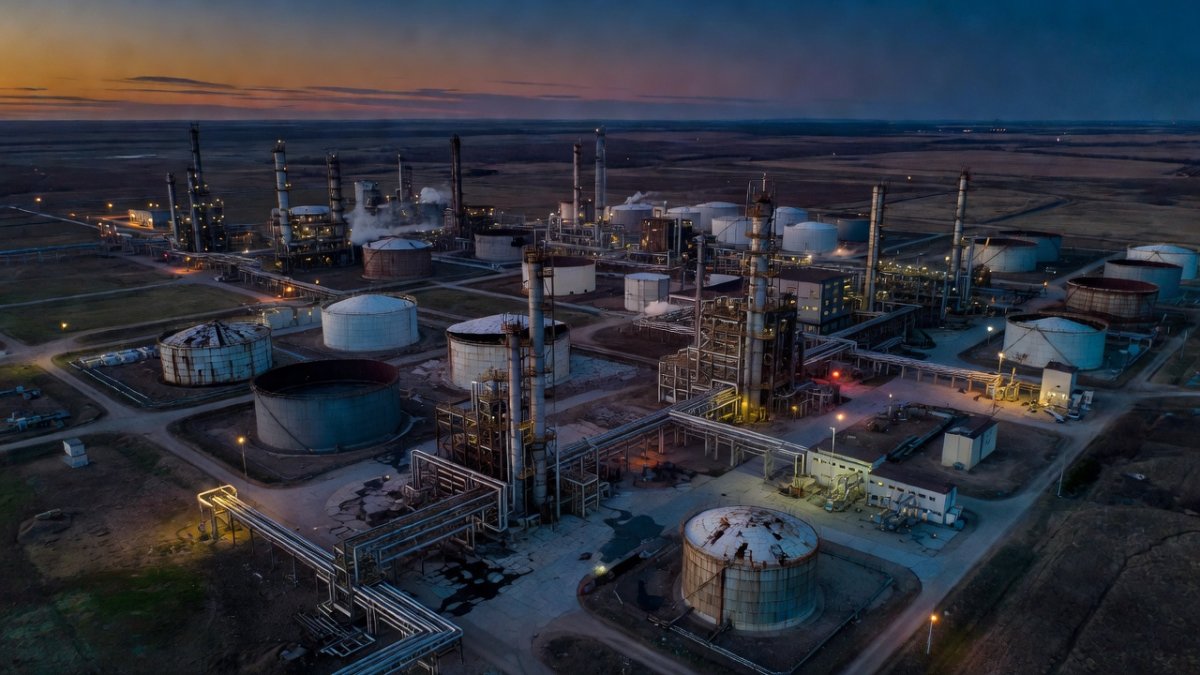
Russia's government is considering a full ban on diesel exports to stabilize the domestic fuel market amid growing shortages and rising prices linked to Ukrainian drone attacks on oil refineries and supply networks. Deputy Prime Minister Alexander Novak said Tuesday that the situation in the domestic market was "challenging but under control," noting that a total ban on diesel exports is now being weighed alongside existing restrictions on gasoline and jet fuel exports.
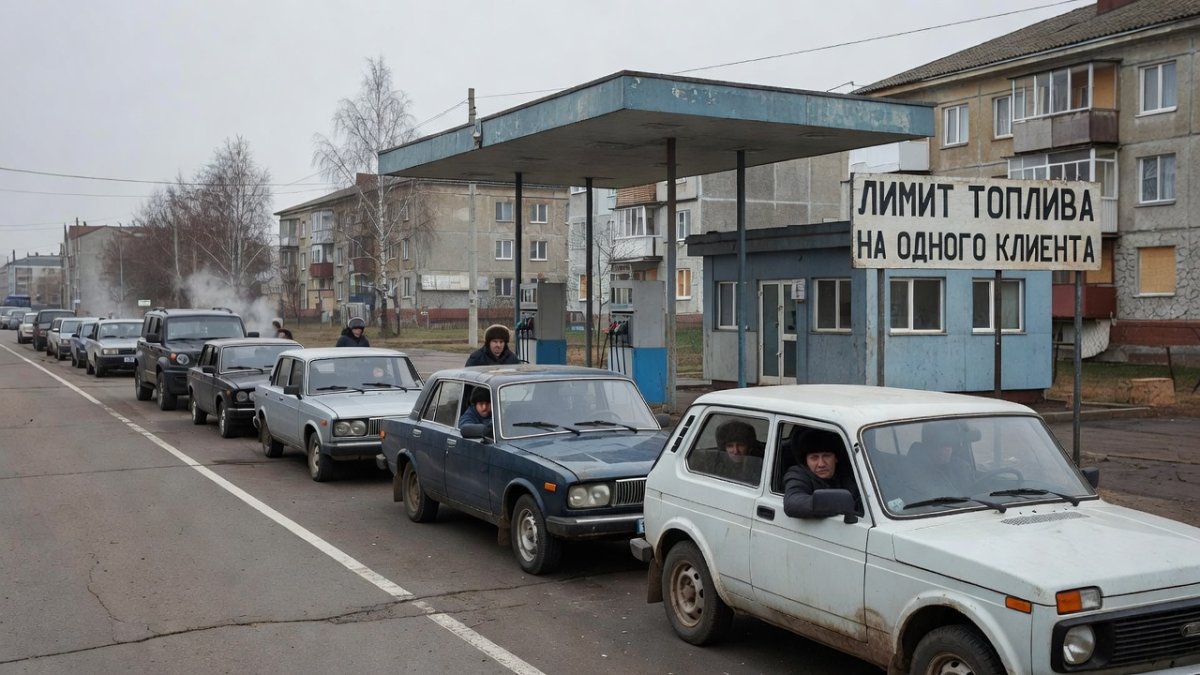
His comments mark a shift from earlier this month, when he said there was no immediate need for a blanket diesel ban. Currently, only Russian companies that produce diesel are allowed to sell it abroad. Novak also sought to downplay the growing number of fuel rationing measures across the country, describing them as "occasional delivery hiccups in certain regions and at specific gas stations."
Novak Briefs Putin on Refinery Capacity and Maintenance Changes
"We have maxed out capacity across all oil refineries, shortened repair timelines and postponed scheduled maintenance to later dates," Novak said during a meeting with President Vladimir Putin and other senior officials. Russia's Energy Ministry established an "industry-wide task force" with the country's largest energy corporations earlier this month to ensure the "stable and efficient operation of the entire energy sector."
In doing so, the ministry acknowledged for the first time that Ukrainian drone strikes were directly to blame for the ongoing "difficulties" in the domestic fuel market. The disruptions arrive at a critical time, with both the summer vacation travel season and the agricultural farming season in full swing.
Gazprom Neft Moscow Refinery Faces Extended Outage
A major oil refinery just south of Moscow is expected to remain offline for at least six months following repeated Ukrainian drone strikes this month. The Gazprom Neft-operated facility was first attacked on June 16, during which a distillation unit that accounts for 53% of the refinery's capacity was reportedly damaged. A second attack on June 18 is believed to have damaged a more modern Euro+ unit that accounts for the other 47%.
"It will take at least half a year to repair," an industry source said of the damage to the Moscow refinery, which processed 11.6 million metric tons of oil in 2024, producing 2.9 million tons of gasoline and 3.2 million tons of diesel. Russian officials have not publicly commented on the damage to the Gazprom Neft-operated facility.
Nearly Two Dozen Regions Introduce Fuel Purchase Limits
Nearly two dozen regions have introduced restrictions on gasoline and diesel purchases in recent weeks, according to independent media reports. The average price of gasoline in Russia has climbed 6.6% since the start of the year, with a single-week jump pushing national averages to 69.11 rubles per liter as of June 15.
Ukraine began ramping up its attacks against Russian oil refineries and supply lines this spring in a bid to deprive the Kremlin of windfalls from surging oil prices. Drone strikes have halted or scaled back production at facilities that account for a large share of Russia's gasoline output. Industry sources told Reuters last week that Russia will import fuel from Asia by sea this month due to the shortages. Russia's gasoline output is down 25% compared to the June 2025 average.
Sechin Letter Proposes Overhaul of Domestic Fuel Distribution
Also on Wednesday, the newspaper Kommersant reported that Rosneft CEO Igor Sechin had sent a letter to Putin in May asking him to temporarily overhaul how fuel is distributed to prevent shortages. In the letter, Sechin recommended that the government force all oil companies to route at least 30% of their raw crude straight to domestic refineries.
He proposed pausing the rules that require oil companies to sell their top-tier fuel on public exchanges, claiming that middlemen are currently hoarding it to drive up their own profits. Instead, Sechin wants the rules changed so companies can count direct deliveries to their own gas stations and government contracts toward their national supply quotas. Likewise, he recommended forcing any refineries producing emergency, lower-grade fuel to sell 100% of it publicly, while giving regular everyday consumers priority to buy it.
State Duma Advances Tax Measures for Asian Fuel Imports
At the same time, Russian lawmakers are reportedly fast-tracking tax legislation to create government subsidies specifically designed to fund gasoline imports from India. The RBC news outlet said the State Duma could vote on those measures as soon as Wednesday. These steps reflect the Kremlin's efforts to address immediate supply shortfalls while Ukrainian strikes continue to target energy infrastructure.
Novak's Tuesday remarks came as the government balances export controls with the need to maintain refinery operations at maximum levels. The combination of postponed maintenance and direct import arrangements from Asia marks a notable adjustment in Russia's energy policy amid the ongoing pressures on domestic markets.
By Irina Volkov, Staff WriterThis article was produced with AI-assisted research and editorial support. Reporting is based on sources cited in the article.
What's Your Reaction?
 Like
0
Like
0
 Dislike
0
Dislike
0
 Love
0
Love
0
 Funny
0
Funny
0
 Wow
0
Wow
0
 Sad
0
Sad
0
 Angry
0
Angry
0

Russia/Eastern Europe Correspondent at Global1.News. Covering Russian politics, energy, security, and the shifting dynamics of the post-Soviet space. Provides clear-eyed analysis on one of the world's most opaque regions.















Comments (0)