
Retail Spending Just Took a Hit — Here's Why Americans Are Holding Onto Their Cash
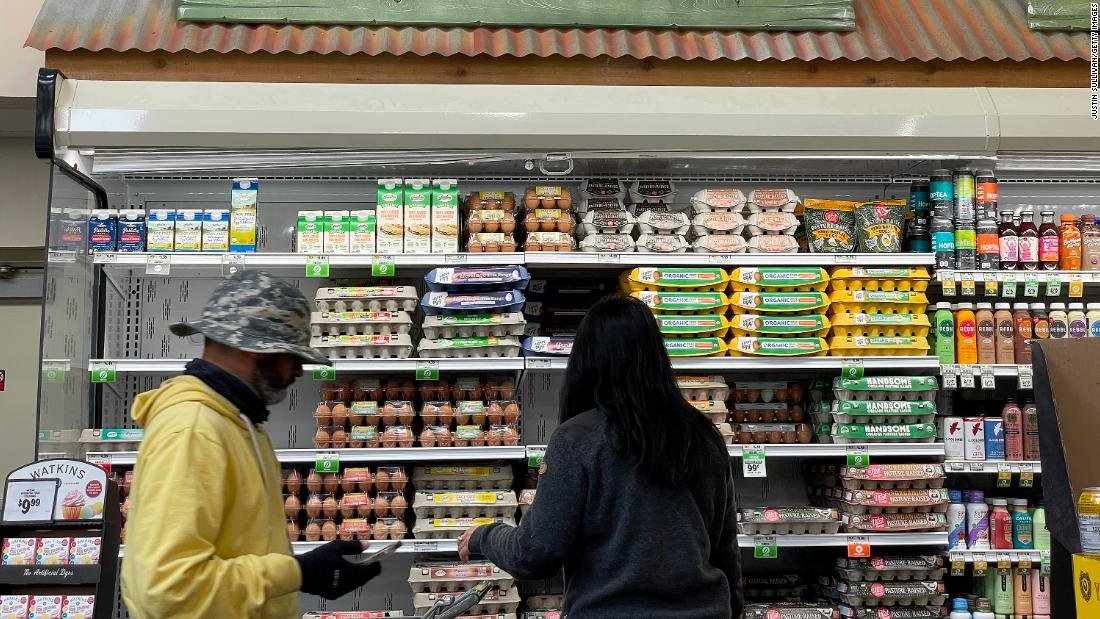
The numbers are in, and they're not pretty: retail spending took a dip in March, and economists are watching closely.
Spending at US retailers fell as consumers pulled back, signaling that the economic anxiety many have been feeling is now showing up in the data. The banking crisis, persistent inflation, and recession fears are all converging to make Americans think twice before swiping that card.
The Numbers
Retail sales dropped more than expected in March. This isn't a minor blip — it's a trend that's been building for months. Consumers who were spending freely during the pandemic recovery are now tightening their belts. And when consumers tighten their belts, the economy feels it.
What's Driving the Pullback
A few factors are at play. First, the banking crisis that started with Silicon Valley Bank's collapse has created a credit crunch. Banks are lending less, which means businesses and consumers have less access to money. Second, inflation is still eating away at purchasing power — people are paying more for the same stuff and have less left over. Third, there's a general sense of uncertainty. When people don't know what's coming next economically, they save instead of spend.
What This Means
A pullback in consumer spending is a big deal because consumer spending drives about two-thirds of the US economy. If people stop buying, businesses stop hiring, and the economy slows down. It's a vicious cycle.
The Federal Reserve is in a tough spot. They've been raising interest rates to fight inflation, but higher rates also cool the economy and can trigger a recession. The March retail numbers suggest the cooling is happening — maybe faster than expected.
Keep an eye on the next Fed meeting. And maybe hold onto your wallet a little tighter. The economic road ahead looks bumpy. 📉
This article was produced with AI-assisted research and editorial support. Reporting is based on sources cited in the article.
What's Your Reaction?
 Like
0
Like
0
 Dislike
0
Dislike
0
 Love
0
Love
0
 Funny
0
Funny
0
 Wow
0
Wow
0
 Sad
0
Sad
0
 Angry
0
Angry
0

Editor-in-Chief at Global1.News. Atlanta-based journalist who cuts through the BS and tells it like it is. Lead anchor, host, and the voice you hear when the spin stops and the truth starts.














Comments (0)