
Red Cross Ban on Palestinian Prisoners Fails in Knesset
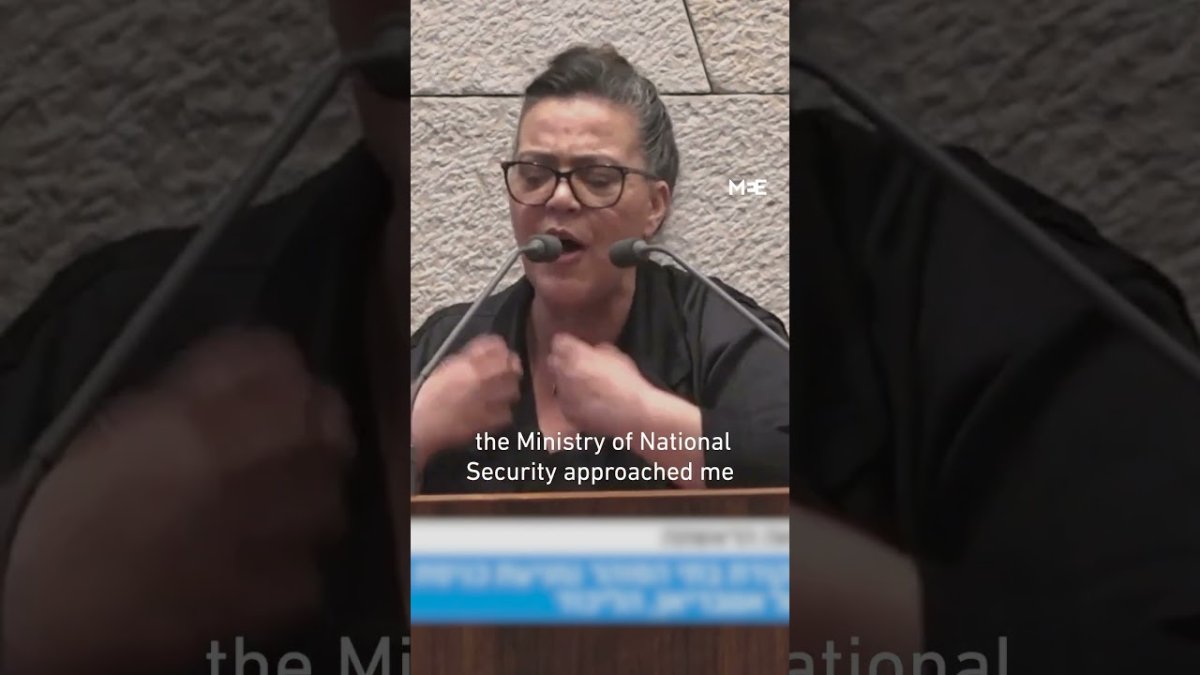
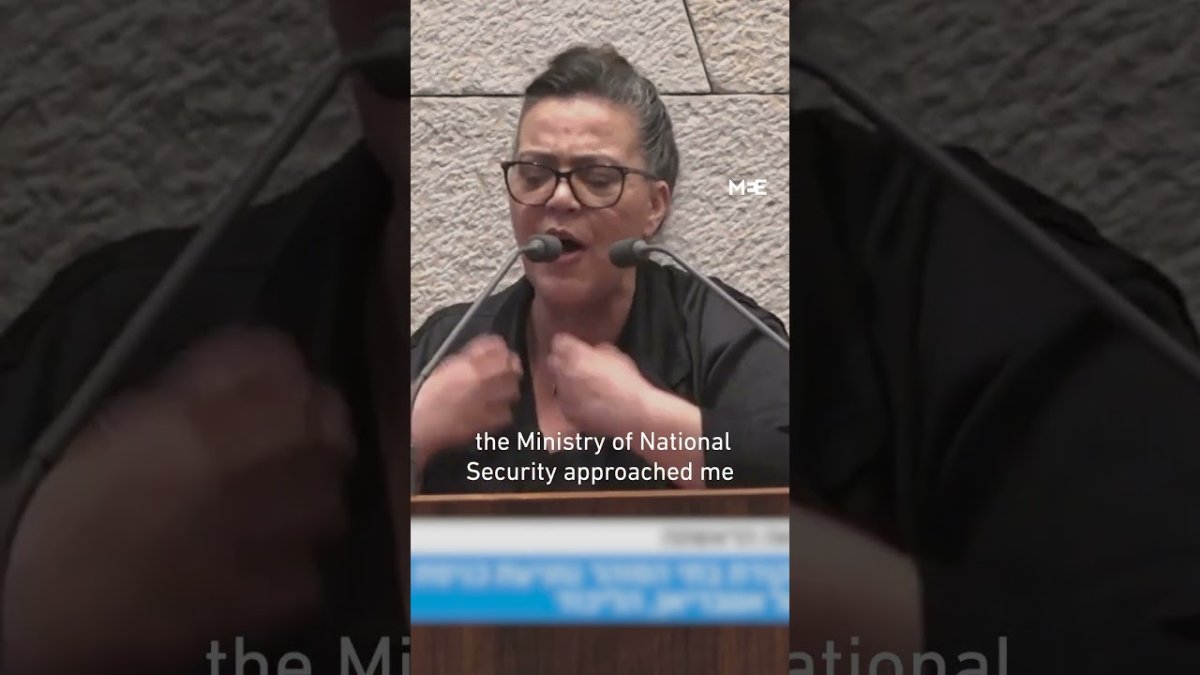
In a recent Middle East Eye report, Israeli MK Galit Distel Atbaryan of the Likud party openly described a proposed bill to bar the International Committee of the Red Cross from visiting Palestinian prisoners as necessary to avoid what she called a PR disaster for the state of Israel. The footage captured her remarks during a Knesset discussion and highlighted the bill's intent
In a recent Middle East Eye report, Israeli MK Galit Distel Atbaryan of the Likud party openly described a proposed bill to bar the International Committee of the Red Cross from visiting Palestinian prisoners as necessary to avoid what she called a PR disaster for the state of Israel. The footage captured her remarks during a Knesset discussion and highlighted the bill's intent to formalize restrictions that had already been in place since October 2023. This public admission drew immediate attention from Palestinian rights groups and international observers who have long tracked access issues for detainees held in Israeli facilities.
The Call for a Ban and Its Public Admission
In a recent MEE video, Israeli MK Distel Atbaryan openly described Red Cross visits to Palestinian prisoners as a potential PR disaster for Israel, revealing the political calculations behind the proposed legislation. The bill, co-sponsored with Keti Shitrit, sought to formalize restrictions on International Committee of the Red Cross access that had already been in place since October 2023. Atbaryan framed the measure as necessary to prevent what he viewed as undue international scrutiny of detention conditions. This admission highlighted tensions between security claims and transparency obligations under international law.
The proposal emerged amid ongoing debates in the Knesset about prisoner treatment following the events of October 2023. Supporters argued that external visits could be exploited for propaganda purposes, yet critics pointed out that the Red Cross had conducted routine inspections for decades prior to the existing restrictions. The public nature of Atbaryan's statement drew immediate attention from human rights observers who questioned the motivations. Such comments underscored how domestic politics increasingly intersected with humanitarian standards in the Israeli legislative process.
Opposition voices within Israel emphasized that denying neutral monitoring contradicted long-standing practices accepted by previous governments. The bill's language focused on limiting access rather than improving conditions, which raised concerns about accountability. Atbaryan's remarks were seen by many analysts as an unusually candid acknowledgment of image management over prisoner welfare. This approach reflected broader patterns where security rhetoric overshadowed legal and ethical considerations in Knesset discussions.
Human rights advocates noted that the proposal ignored the Red Cross's role in facilitating family communications and monitoring health standards. The admission of PR concerns shifted the debate from operational security to questions of international perception. Despite these points, the bill advanced to a vote, setting the stage for further contention. The episode illustrated how legislative efforts could be shaped by explicit concerns over global opinion rather than solely by factual assessments of risk.
The Knesset Vote and Its Immediate Consequences
The Knesset rejected the bill by a vote of 41 to 36 on June 30, 2026, after members of Haredi parties boycotted the session. This narrow margin reflected deep divisions within the governing coalition and highlighted the influence of smaller parties on procedural outcomes. The defeat prevented immediate codification of the ban but triggered a six-month restriction on reintroducing similar legislation. Analysts viewed the result as a temporary reprieve rather than a fundamental policy shift.
Following the vote, attention turned to the practical effects on detention oversight. The existing informal restrictions remained in place, leaving thousands of Palestinian detainees without independent monitoring. The Haredi boycott was interpreted by some observers as a strategic move to avoid association with controversial measures ahead of elections. This dynamic revealed how internal political calculations could override substantive debate on humanitarian issues.
The outcome also prompted statements from figures such as Ben-Gvir, who warned that members of Nukba would receive Red Cross visits as a form of reward. Such rhetoric framed the defeat in terms of national security rather than legal compliance. The six-month cooling-off period extended past the October 2026 elections, effectively delaying any renewed legislative push. This timeline created uncertainty for both detainees and advocacy groups monitoring conditions.
International observers noted that the vote preserved a narrow window for potential policy adjustments before the next electoral cycle. The rejection did not reverse the October 2023 suspension of visits but prevented its formal entrenchment. Political analysts suggested the result exposed fractures within the coalition that could influence future human rights legislation. The immediate aftermath focused on whether the Supreme Court ruling would gain practical effect during the interim period.
The Supreme Court Decision and Legal Foundations
On June 3, the Israeli Supreme Court unanimously ruled that the existing ban on Red Cross visits to Palestinian prisoners was unlawful. The decision rested on established legal principles requiring independent oversight of detention facilities. Justices emphasized that prolonged denial of access violated both domestic standards and international commitments Israel had previously upheld. This ruling provided the immediate legal backdrop against which the Knesset bill was considered.
The court's opinion referenced decades of Red Cross operations inside Israeli facilities prior to October 2023. It noted that such visits had served as a standard mechanism for verifying detainee welfare without compromising security protocols. The unanimous nature of the decision signaled broad judicial consensus on the matter. Legal experts interpreted the ruling as a clear directive to restore access rather than maintain the status quo.
Despite the judgment, implementation remained stalled pending legislative action. The court did not specify exact timelines for resumption, leaving room for further political maneuvering. Human rights organizations welcomed the decision as affirmation of core legal protections. The ruling also highlighted inconsistencies between executive policy and judicial interpretation of detention regulations.
Advocates argued that the decision reinforced Israel's obligations under the Geneva Conventions regarding prisoner treatment. The court's emphasis on prior practice underscored that the post-2023 restrictions represented a departure from established norms. This legal foundation became central to debates surrounding the defeated bill. The ruling continues to shape discussions on how oversight mechanisms can be reconciled with security concerns in the coming months.
Arrests and Detention Patterns Since October 2023
Since October 7, 2023, Israeli authorities have arrested approximately 18,500 Palestinians, according to documented figures. This surge significantly expanded the prison population and intensified pressure on existing detention infrastructure. Many arrests occurred in the West Bank and East Jerusalem, often under administrative detention orders that limit judicial review. The scale of detentions created new challenges for monitoring organizations seeking access.
The increase in arrests coincided with the suspension of Red Cross visits, leaving detainees without routine external contact. Families reported difficulties obtaining information about locations and conditions of confinement. This pattern raised concerns about due process and the ability to verify compliance with legal standards. The volume of cases strained resources for both prison authorities and legal aid providers.
Administrative detention, which allows holding individuals without charge, accounted for a substantial portion of the new cases. Critics argued that the lack of independent oversight exacerbated risks of prolonged or arbitrary confinement. The figures reflect a broader policy shift toward expanded use of detention as a security measure. Human rights groups documented instances where detainees remained incommunicado for extended periods.
The arrest wave also affected women and minors, adding complexity to family support networks. Without Red Cross facilitation, communication channels relied heavily on limited lawyer visits or occasional phone calls. These conditions contributed to heightened anxiety among affected communities. The statistics underscore the urgency of restoring independent monitoring mechanisms to address the expanded detainee population.
Effects on Detainees and Their Families
The absence of Red Cross visits has left many Palestinian detainees without reliable updates on health or legal status. Families often rely on secondhand information from lawyers or released prisoners, creating gaps in accurate reporting. This isolation has compounded psychological strain for both detainees and relatives separated for months. The lack of neutral verification has fueled concerns about medical neglect and solitary confinement practices.
Children of detainees face particular difficulties, including disrupted education and emotional support systems. Reports indicate that some families have gone extended periods without confirmation of a relative's location. The suspension of visits eliminated a key channel for delivering messages and monitoring basic needs. These effects have been documented across multiple detention centers holding the post-2023 arrest cohort.
Detainees with pre-existing medical conditions have experienced additional hardships due to limited external advocacy. Without routine inspections, complaints about treatment must navigate internal prison channels that lack independent oversight. Families describe a climate of uncertainty that persists even after court rulings affirming access rights. The cumulative impact extends beyond individual cases to broader community resilience.
Advocacy organizations have noted increased reports of anxiety disorders and other stress-related conditions among affected households. The absence of structured family contact mechanisms has hindered efforts to maintain basic humanitarian standards. These patterns illustrate the tangible consequences of restricted monitoring on daily life for thousands of people. Restoring access remains a central demand from legal and human rights perspectives.
International Obligations and Regional Implications
Israel's international obligations regarding detainee treatment stem from its ratification of the Geneva Conventions and other humanitarian instruments. The Red Cross has historically served as a neutral intermediary ensuring compliance with these standards. The prolonged suspension of visits since October 2023 has drawn scrutiny from diplomatic channels and international bodies. Regional actors have cited the issue in broader discussions on conflict resolution.
Neighboring countries and international organizations have expressed concern that restricted access undermines confidence in detention practices. The Supreme Court ruling reinforced expectations that Israel would align policy with prior commitments. Failure to implement the decision risks further diplomatic friction and reputational costs. The legislative attempt to codify restrictions was viewed by some observers as an effort to preempt judicial enforcement.
The regional implications extend to perceptions of accountability in the wider Israeli-Palestinian context. Human rights monitors argue that consistent access helps prevent escalation by providing transparent reporting channels. The defeated bill highlighted tensions between domestic political priorities and external expectations. Continued restrictions could influence future negotiations involving prisoner exchanges or ceasefires.
Diplomatic statements have emphasized the importance of restoring routine visits to maintain minimum humanitarian protections. The issue has become a reference point in assessments of compliance with international norms. Regional stability discussions increasingly reference detention conditions as a factor affecting trust between parties. The outcome of the Knesset vote leaves these obligations in a state of partial legal affirmation but practical uncertainty.
Prospects After the Legislative Defeat
The defeat of the bill on June 30, 2026, opens a six-month window during which similar legislation cannot be reintroduced. This period extends past the October elections, creating space for potential policy reconsideration. Human rights groups are urging authorities to implement the Supreme Court ruling before new political dynamics emerge. The interim offers an opportunity to restore Red Cross access without further legislative barriers.
Political analysts suggest that coalition shifts after the elections could either facilitate or hinder compliance with the court decision. The Haredi boycott that contributed to the defeat may signal ongoing reluctance among certain factions to engage with the issue. International pressure is expected to focus on practical steps toward resuming visits during this timeframe. Detainee families continue to advocate for immediate action on monitoring.
The six-month restriction provides breathing room for legal challenges and public advocacy campaigns. Organizations tracking detention conditions are preparing documentation to support renewed access requests. The period also allows time for internal reviews of prison policies in light of the court ruling. Whether this leads to substantive change remains dependent on post-election priorities.
Overall, the legislative outcome preserves the possibility of aligning practice with judicial and international standards. Advocates view the coming months as critical for translating the Supreme Court decision into operational reality. The absence of new restrictions offers a narrow but meaningful chance to address the monitoring gap affecting thousands of detainees. Future developments will determine whether this window results in lasting improvements.
By Fatima Al-Rashid, Staff Writer
This article was produced with AI-assisted research and editorial support. Reporting is based on sources cited in the article.
What's Your Reaction?
 Like
0
Like
0
 Dislike
0
Dislike
0
 Love
0
Love
0
 Funny
0
Funny
0
 Wow
0
Wow
0
 Sad
0
Sad
0
 Angry
0
Angry
0

Gulf/MENA Correspondent at Global1.News. Based in Doha, covering Gulf politics, energy markets, diplomacy, and development across the Middle East and North Africa. Tracks the economic transformation of the Gulf states.















Comments (0)