
Lavrov, Rubio Meet at ASEAN Summit for Ukraine Talks
U.S. Secretary of State Marco Rubio is scheduled to hold direct talks with Russian Foreign Minister Sergey Lavrov at the ASEAN summit in Manila this week, opening one of the most significant high-level channels between Washington and Moscow in months.
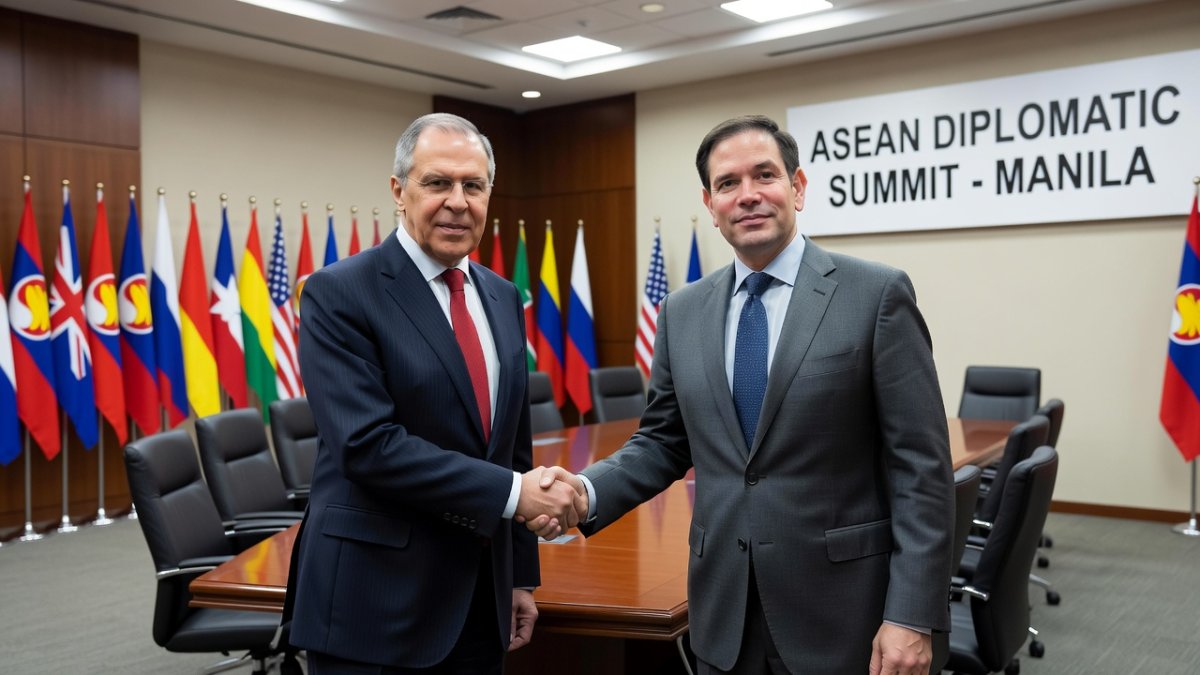
U.S. Secretary of State Marco Rubio is scheduled to hold direct talks with Russian Foreign Minister Sergey Lavrov at the ASEAN summit in Manila this week, opening one of the most significant high-level channels between Washington and Moscow in months. The meeting will focus on Ukraine peace prospects alongside wider bilateral tensions, signaling renewed diplomatic maneuvering amid battlefield stalemate and shifting U.S. political priorities. Observers view the encounter as a potential test of whether both sides can move beyond entrenched positions toward a negotiated pause.
Lavrov and Rubio to Meet at ASEAN Summit in High-Stakes Ukraine Talks
Manila, Philippines — U.S. Secretary of State Marco Rubio confirmed plans to meet Russian Foreign Minister Sergey Lavrov on Thursday at the 59th ASEAN Foreign Ministers Meeting in Manila. Rubio stated that the discussion would cover Ukraine peace talks alongside broader bilateral issues between Washington and Moscow. This would mark one of the highest-level face-to-face contacts between the two sides in months.
The High-Stakes Encounter in Manila
Thursday's meeting marks the first confirmed face-to-face interaction between senior U.S. and Russian officials since the collapse of prior negotiation tracks earlier this year. Both sides arrive with carefully calibrated expectations: Washington seeking tangible progress toward de-escalation ahead of domestic political shifts, and Moscow probing whether the Trump administration's renewed engagement signals a substantive departure from previous U.S. positions. The ASEAN forum provides a neutral setting that allows both parties to test positions without the weight of an exclusive bilateral summit.
Rubio's Proposed Framework for Ukraine
Marco Rubio’s emerging “new peace concept” appears to blend territorial realities on the ground with security guarantees that stop short of full NATO membership for Kyiv. Drawing on the frozen lines established since the 2022 escalation, the framework reportedly envisions Ukrainian neutrality codified in treaty form, coupled with phased sanctions relief tied to verifiable demilitarization steps. Historical precedent from the Minsk agreements of 2014-2015 shows how such layered deals can stall without ironclad enforcement mechanisms, a lesson the Kremlin has internalized after years of perceived Western bad faith.
Previous U.S.-Russia negotiation attempts since 2022, including the Istanbul talks in March-April of that year and sporadic back-channel contacts through Turkish and Saudi intermediaries, repeatedly collapsed over Moscow’s core demands: recognition of Crimea, the four annexed regions, and permanent limits on Ukrainian armed forces. Putin’s consistent red lines, reiterated in his February 2022 address and subsequent Valdai speeches, center on rolling back NATO infrastructure to 1997 borders and preventing any future Western military presence on Ukrainian soil. The recent Trump-Putin phone call, occurring against the backdrop of shifting U.S. domestic priorities, signals Washington’s renewed interest in de-escalation precisely because prolonged conflict now risks broader economic spillover and domestic political costs for the incoming administration.
Timing is driven by battlefield attrition and the approaching winter energy crisis. Russian forces have consolidated gains in Donbas while Ukrainian manpower shortages have become acute, creating a narrow window where both sides might accept a negotiated pause. From the Kremlin’s vantage, any framework must deliver tangible security gains rather than another interim ceasefire that allows rearmament.
Kremlin's Measured Response to the Invitation
The Kremlin declined to confirm or deny specific details of Lavrov's travel to Manila. A spokesperson noted that such visits typically occur behind closed doors. At the same time, the Foreign Ministry indicated that Moscow would welcome any contacts that could advance mutual understanding, consistent with longstanding Russian diplomatic practice of keeping channels open even during periods of acute tension.
ASEAN Platform and Its Expanding Agenda
ASEAN’s selection as the diplomatic venue underscores its value as a neutral, multipolar forum where Russia and China can engage without the institutional weight of Western-led structures. The bloc’s consensus-driven model allows Moscow to project influence across Southeast Asia while avoiding direct confrontation with U.S. allies. Previous Lavrov-Wang Yi meetings at ASEAN summits, notably in Jakarta in 2023 and Vientiane in 2024, established patterns of coordinated messaging on “indivisible security” and opposition to unilateral sanctions, laying groundwork for deeper coordination on Ukraine-related issues.
Each side brings distinct objectives to the table. Russia seeks to diversify partnerships beyond its traditional Eurasian focus and secure diplomatic cover for its actions in Ukraine, while China aims to position itself as a responsible stakeholder capable of mediating global conflicts without alienating either Moscow or Western markets. ASEAN’s quiet role in facilitating indirect Iran mediation talks in 2023 demonstrated the bloc’s utility as a low-profile channel when larger powers require deniability, a precedent Moscow now hopes to replicate.
The expanding agenda reflects Russia’s broader strategy of embedding the Ukraine conflict within wider Global South narratives of multipolarity. By linking discussions to energy security and food exports, the Kremlin aims to blunt Western isolation efforts and remind ASEAN members of the tangible costs of prolonged sanctions regimes.
Strait of Hormuz and Parallel Iran-US Frictions
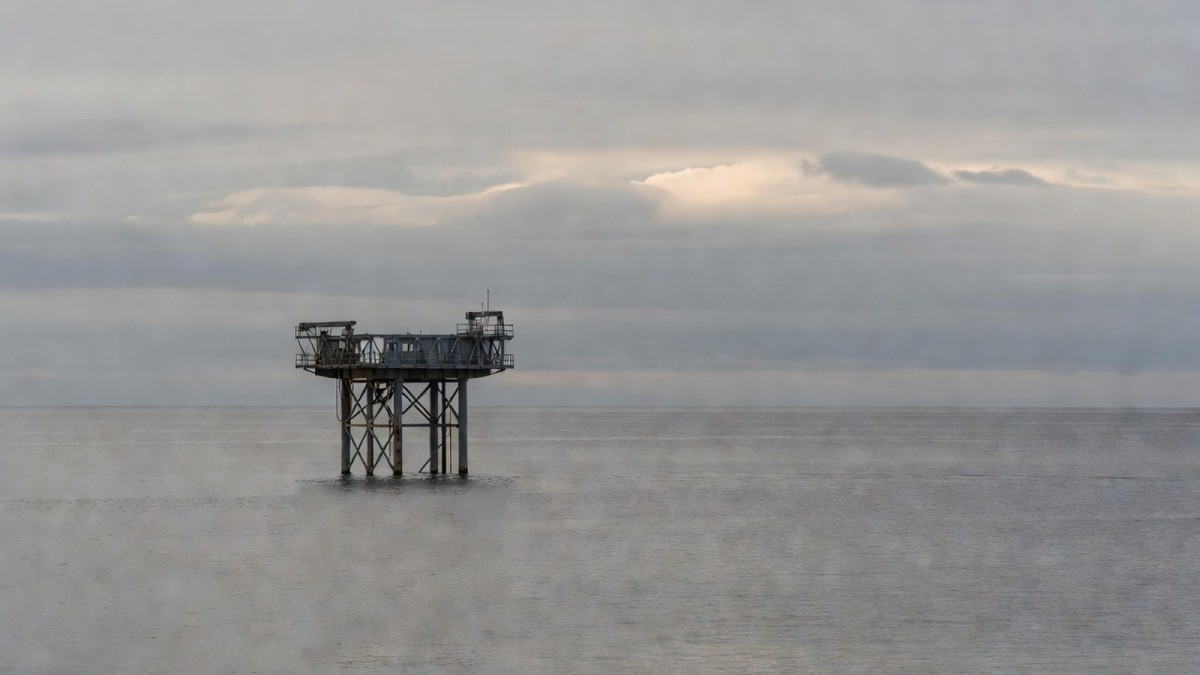
Security in the Strait of Hormuz has emerged as a secondary but pressing topic. ASEAN diplomats have pressed both the United States and Iran to reduce risks to energy routes that affect global markets. Russian officials have watched these exchanges closely, given Moscow's own energy interests and its history of coordinating with Tehran on regional matters through the Foreign Ministry and Defense Ministry channels.
Russia's Simultaneous Legal Actions Against Ukraine
The timing of the Drapatyi arrest warrant reflects a deliberate dual-track approach: signaling openness to talks while maintaining legal and military pressure. Issued amid reports of the Trump-Putin conversation, the warrant targets a senior Ukrainian commander and serves both domestic and international audiences. Domestically, it reinforces the narrative of Ukrainian war crimes; internationally, it complicates any future amnesty provisions in a peace deal.
Russia has employed this pattern consistently since 2014. Legal actions against officials such as Arsen Avakov, Oleksandr Turchynov, and later Volodymyr Zelensky himself were filed through Russian courts and Interpol channels, creating a parallel track of accountability claims that can be activated or suspended according to political needs. These moves historically coincide with negotiation phases, functioning as leverage rather than genuine judicial processes.
The strategy allows the Kremlin to portray itself as the party upholding international law while rejecting Western legal mechanisms. By sustaining both diplomatic signals and legal escalation, Moscow preserves maximum flexibility for whatever outcome emerges from the current round of contacts.
Reactions from Kyiv, Brussels, Beijing, and ASEAN Capitals
Ukrainian officials have expressed caution about any bilateral U.S.-Russia discussion that excludes Kyiv. European Union representatives have stressed that any peace framework must align with Ukraine's territorial integrity. Chinese Foreign Minister Wang Yi is expected to use the margins of the meeting to underscore Beijing's preference for negotiated outcomes that avoid further escalation. ASEAN states, meanwhile, continue to position themselves as neutral facilitators focused on regional stability rather than great-power alignment.
Geopolitical Implications for Kremlin Power Structures
Putin’s foreign policy decision-making remains highly centralized, with the Security Council serving more as a ratification body than a deliberative one. Major shifts, such as the current outreach via ASEAN, typically originate from the presidential administration and a narrow circle of siloviki and diplomats who have survived successive purges. This vertical structure allows rapid tactical adjustments while maintaining strategic consistency on core issues like NATO expansion and Ukrainian sovereignty.
Sergey Lavrov occupies a respected but not decisive position within the hierarchy. His longevity stems from loyalty and institutional knowledge rather than independent power; real influence on Ukraine policy rests with figures closer to the military and intelligence services. The ASEAN meeting fits neatly into Russia’s multi-vector diplomacy, a doctrine refined since 2014 that balances confrontation with the West through intensified engagement with China, India, and the Global South.
Energy and economic dimensions remain central. With European markets largely closed, Moscow has redirected hydrocarbon flows eastward, signing new long-term contracts with Chinese and Indian buyers that offset some sanction losses. This economic reorientation strengthens the argument inside the Kremlin that time favors Russia, provided diplomatic channels prevent total isolation.
By Irina Volkov, Staff Writer
This article was produced with AI-assisted research and editorial support. Reporting is based on sources cited in the article.
What's Your Reaction?
 Like
0
Like
0
 Dislike
0
Dislike
0
 Love
0
Love
0
 Funny
0
Funny
0
 Wow
0
Wow
0
 Sad
0
Sad
0
 Angry
0
Angry
0
Russia/Eastern Europe Correspondent at Global1.News. Covering Russian politics, energy, security, and the shifting dynamics of the post-Soviet space. Provides clear-eyed analysis on one of the world's most opaque regions.










Comments (0)