
Querétaro Tops IMCO 2026 Urban Competitiveness Index
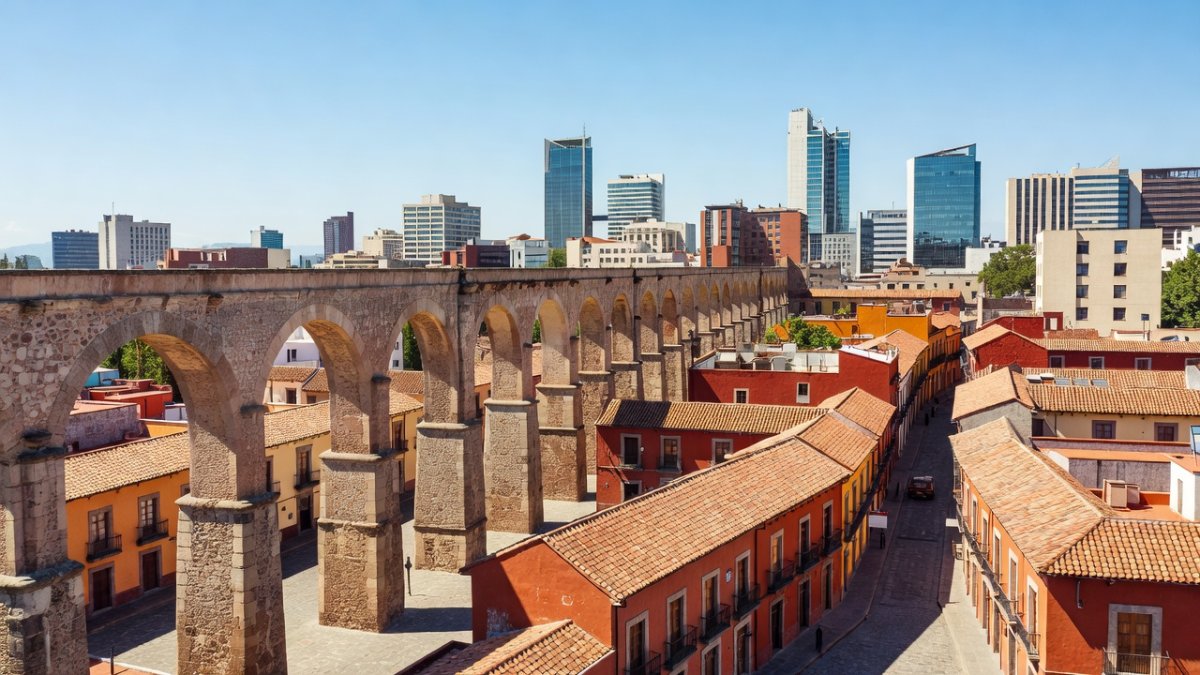
Querétaro Claims Top Spot in National Competitiveness Rankings Querétaro has risen to first place among Mexico's largest metropolitan areas in the latest Urban Competitiveness Index released by the Mexican Institute for Competitiveness last week. The 2026 edition places Santiago de Querétaro at the head of the 21 cities with more than one million residents, marking a five-posit
Querétaro Claims Top Spot in National Competitiveness Rankings
Querétaro has risen to first place among Mexico's largest metropolitan areas in the latest Urban Competitiveness Index released by the Mexican Institute for Competitiveness last week. The 2026 edition places Santiago de Querétaro at the head of the 21 cities with more than one million residents, marking a five-position climb from the previous ranking.
Residents in the colonias and surrounding communities are already feeling the quiet pride that comes with this recognition. Families who send their children to local schools and work in the growing industrial parks see the news as a sign that their daily efforts are building something lasting.
What the IMCO Index Measures Across 72 Metropolitan Areas
The index evaluates 72 metropolitan areas using 35 indicators grouped into six sub-indexes: innovation and economy, infrastructure, labor market, society and environment, law and security, and political system and government. These cities together account for the vast majority of Mexico's economic activity and house 62 percent of the population.
IMCO noted advances in digital connectivity and fiscal autonomy in many places, yet also recorded a drop in average economic growth from 4.1 percent to 2.4 percent and persistent concerns over violence and corruption perceptions. The results therefore offer both encouragement and a clear map of remaining work.
Education and Innovation Drive Querétaro's Strong Performance
Querétaro earned top marks in the innovation and economy sub-index and the political system and government sub-index. Average schooling reached 11.77 years, while educational coverage climbed to 73.25 percent, figures that stand above the category average.
These numbers translate directly into the lives of young people in the city's neighborhoods. More years in school open doors to better-paying jobs in aerospace, automotive, and technology firms that have settled in the region. Parents who once worried about limited opportunities now see their teenagers preparing for university or technical careers without having to leave the state.
Everyday Life for Families and Communities in the State
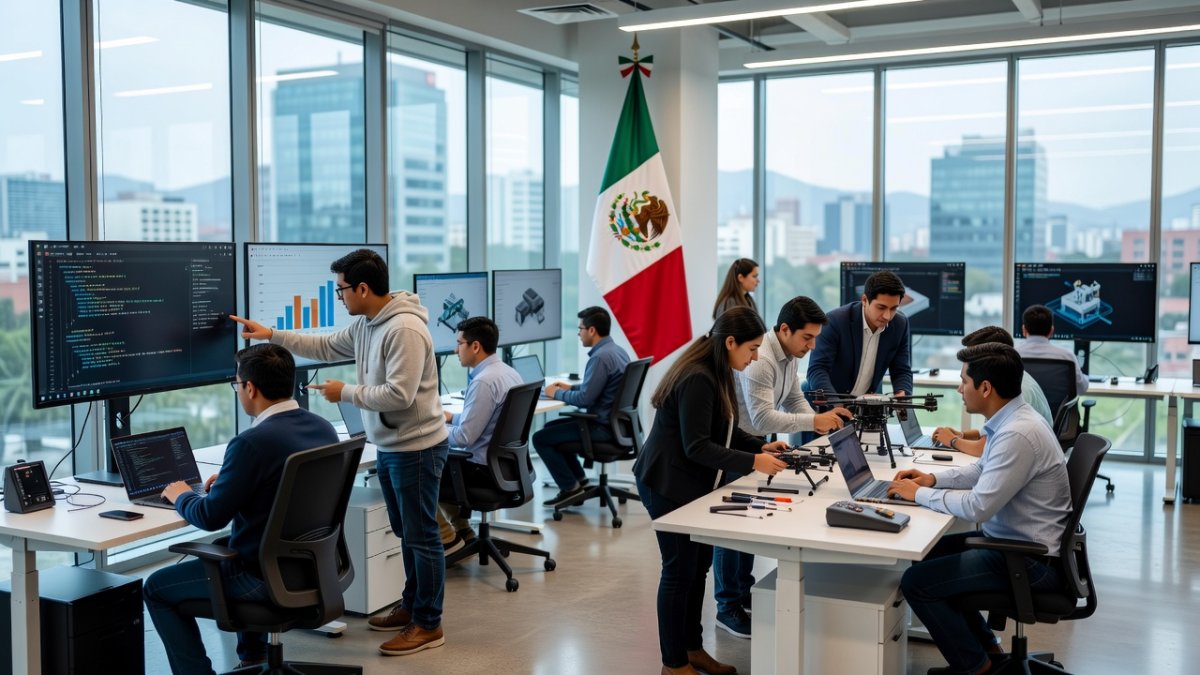
Improved competitiveness often shows up first in small but meaningful ways: steadier paychecks at the maquiladora, new classrooms in the colonia, and safer public spaces where grandparents can watch grandchildren play. Querétaro's rise in the society and environment sub-index, moving from 13th to fifth place, reflects gains that touch these daily rhythms.
Small business owners near the historic center report steadier foot traffic, while ejido communities on the outskirts benefit from better connections to the city's labor market. Teachers note that students arrive with clearer goals, and healthcare workers see families able to plan for the future rather than simply getting by.
How Other Mexican Cities Fared in the 2026 Rankings
Guadalajara placed second among large cities, followed by Hermosillo, Saltillo, and Monterrey. Mexico City ranked tenth. At the lower end of the large-city list stand Cuernavaca, Tijuana, Culiacán, Cancún, and Puebla-Tlaxcala. Culiacán's drop from 11th to 19th was linked to heightened insecurity after late 2024.
Puerto Vallarta led the medium-sized category, La Paz topped cities between 250,000 and 500,000 residents, and Delicias ranked highest among smaller metropolitan areas. The geographic spread shows that competitiveness is not confined to any single region of the country.
Remaining Infrastructure Gaps and Future Priorities
IMCO pointed out that Querétaro received a lower score on the rate of new housing construction inside already urbanized zones and counts only six hospital beds per 10,000 residents. These shortfalls remind local authorities and residents that rankings measure progress, not perfection.
Municipal and state leaders now face the task of turning the index results into concrete projects that reach every barrio. Expanded hospital capacity and smarter land-use planning would help ensure that the benefits of higher competitiveness reach the families who need them most.
Broader Meaning for Mexico's Development Path
Because metropolitan areas generate between 80 and 90 percent of national GDP, Querétaro's performance carries weight beyond state borders. Stronger cities support steadier federal revenues, more dynamic supply chains, and greater capacity to weather national economic shifts.
Ordinary Mexicans in Querétaro and elsewhere watch these rankings not as abstract scores but as signals about whether their children will find work close to home, whether local clinics will have enough beds, and whether community life can continue with dignity. The 2026 results offer one more reason for cautious optimism while underscoring the steady work still required.
Tags: Querétaro, IMCO, competitiveness, education, families, Mexican cities, economic development, infrastructure
By Rosa Martinez, Staff Writer
This article was produced with AI-assisted research and editorial support. Reporting is based on sources cited in the article.
What's Your Reaction?
 Like
0
Like
0
 Dislike
0
Dislike
0
 Love
0
Love
0
 Funny
0
Funny
0
 Wow
0
Wow
0
 Sad
0
Sad
0
 Angry
0
Angry
0
Latin America/Andes Correspondent at Global1.News. Based in Bogota, covering politics, environment, energy, and social movements across the Andean region. Passionate about environmental journalism and communities protecting their land.













Comments (0)