
Putin Rejects Zelensky Meeting at SPIEF, Says Russia Will Achieve Its Goals in Ukraine
Putin Dismisses Zelensky's Call for Direct Talks at SPIEF In a recent BBC News report presented by Jane Hill on BBC News at Ten, with Steve Rosenberg reporting from St Petersburg, Vladimir Putin rejected Ukrainian President Volodymyr Zelensky's proposal for a face-to-face meeting. Speaking at the St. Petersburg International Economic Forum, Putin stated there was no point in su
Putin Dismisses Zelensky's Call for Direct Talks at SPIEF
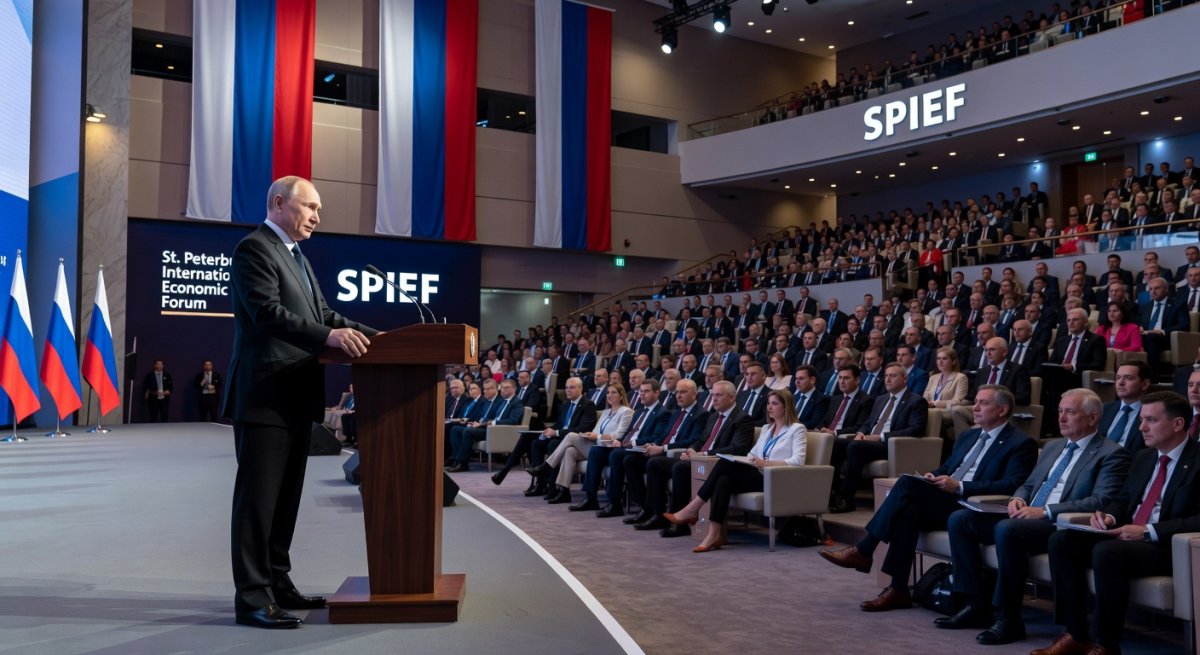
In a recent BBC News report presented by Jane Hill on BBC News at Ten, with Steve Rosenberg reporting from St Petersburg, Vladimir Putin rejected Ukrainian President Volodymyr Zelensky's proposal for a face-to-face meeting. Speaking at the St. Petersburg International Economic Forum, Putin stated there was no point in such a meeting because Russia will achieve its goals regardless. The exchange marked another public rebuff in the ongoing conflict now in its fourth year. Putin framed the Ukrainian overture as unnecessary given the trajectory of military operations. This position aligns with the Kremlin's consistent stance that battlefield realities dictate any future diplomatic outcomes.
The St. Petersburg International Economic Forum serves as Russia's flagship annual economic gathering, typically centered on attracting investment and navigating sanctions imposed by Western nations. This year the event carried a different weight as the Ukraine conflict overshadowed discussions on energy deals and trade partnerships. Delegates from various countries attended amid heightened security, yet the diplomatic back-and-forth between Moscow and Kyiv dominated headlines. The forum's usual focus on economic resilience gave way to questions about how the war shapes Russia's long-term international standing. Kremlin officials used the platform to project continuity in policy despite external pressures.
Putin delivered his remarks with a measured yet dismissive tone, describing Zelensky's letter as containing elements of insolence. He avoided naming the Ukrainian leader directly and instead referred only to the author of the letter. This rhetorical choice underscored the Kremlin's refusal to grant Zelensky equal standing in public discourse. The Russian president emphasized that direct engagement would serve no practical purpose at this stage. Such language reflects established patterns in how Moscow addresses Ukrainian initiatives through official channels.
Zelensky's Open Letter — A Bid for Ceasefire and Negotiations
Zelensky's open letter proposed an in-person meeting in a neutral third country such as Switzerland, Turkey, or an Arab state, with a full ceasefire required as a precondition. The proposal represented the first direct communication between the two leaders since 2022. Ukrainian officials presented the letter as an effort to break the current stalemate through high-level talks. The suggestion came at a time when both sides continued operations along multiple fronts. Zelensky positioned the offer as a test of Moscow's stated willingness to negotiate under certain conditions.
Ukraine expressed readiness to begin talks from current frontline positions without demanding immediate territorial withdrawals. This stance reflects the country's need for a military breather as American resources remain stretched by the separate conflict involving Iran. Ukrainian forces have faced ammunition shortages and delays in promised equipment deliveries. The letter therefore sought to create space for diplomacy while preserving core security interests. Kyiv continues to coordinate with its Western partners on sustaining defensive capabilities amid shifting global priorities.
Following Putin's rejection, Zelensky accused the Russian leader of choosing war over peace and authorized expanded Security Service operations inside Russian territory. The Ukrainian president framed the SPIEF comments as further evidence that Moscow has no interest in genuine dialogue. Ukrainian authorities signaled that they would intensify efforts to disrupt Russian logistics and command structures. This response aligns with Kyiv's broader strategy of combining diplomatic outreach with pressure on the battlefield. The escalation in rhetoric has hardened positions on both sides.
Kremlin's Stated War Aims Remain Unchanged
Vladimir Putin reaffirmed that military operations would continue until Moscow achieves its objectives, including full control of the Donbas region. The Russian president tied this requirement directly to directives from the Defense Ministry and the military command structure. He made clear that partial outcomes would not satisfy the goals set at the outset of the campaign. This position has been reiterated across multiple public appearances and official statements. The Defense Ministry continues to report incremental advances in the eastern theater as evidence that the strategy is working.
Putin cited a Ukrainian strike on a college in Starobelsk in the occupied Luhansk region as justification for maintaining pressure. He presented the incident as confirmation that Ukrainian forces remain unwilling to de-escalate. Russian state media amplified the claim to support the narrative that Kyiv bears responsibility for ongoing hostilities. The Russian Foreign Ministry has consistently used similar incidents to argue against any pause in operations. Such references serve to reinforce domestic support for the military effort.
The broader Russian narrative holds that Ukraine is not serious about peace, a position advanced by the Russian Foreign Ministry and state media outlets. Officials argue that Ukrainian proposals contain hidden conditions designed to gain time rather than resolve core disputes. This framing allows the Kremlin to portray its own conditions as reasonable while dismissing opposing offers. The approach has shaped how Russian audiences interpret diplomatic exchanges. It also limits room for compromise within the current decision-making structure in Moscow.
St. Petersburg on Edge — Drone Strikes and Security Concerns
Ukrainian drone strikes affected the St. Petersburg region earlier the same week, creating an awkward backdrop for the economic forum. The incidents occurred while international delegates gathered in the city for discussions on investment and trade. Local authorities increased security measures around key venues, yet the strikes highlighted vulnerabilities in rear areas. The timing drew attention to the reach of Ukrainian capabilities despite Russian air defenses. Forum participants noted the contrast between the event's formal proceedings and the nearby security situation.
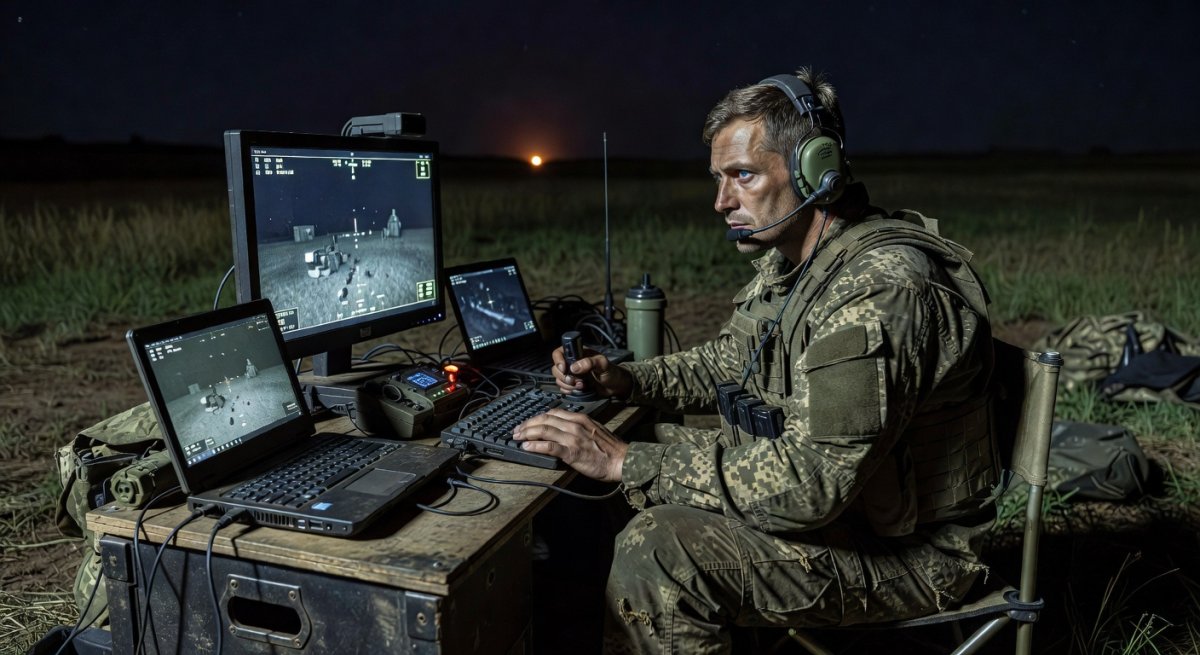
The strikes demonstrated Ukraine's growing ability to hit targets deep inside Russian territory, challenging the Kremlin's narrative that the conflict remains contained far from major Russian cities. Russian officials described the attacks as terrorist acts rather than legitimate military actions. The incidents forced adjustments to flight paths and increased patrols around critical infrastructure. This shift has required the Defense Ministry to reallocate resources previously focused on the front lines. The development has prompted renewed debate inside Russia about the sustainability of current defensive postures.
Analysts suggest this dynamic may affect future Russian military planning and the domestic perception of the war. Continued strikes near St. Petersburg could erode the sense of distance that many ordinary Russians have maintained since the conflict began. The Kremlin has responded by tightening information controls and emphasizing resilience in public messaging. How these incidents influence recruitment and economic morale will be closely watched in coming months. The situation underscores the expanding geographic scope of the confrontation.
International Reactions and the Role of Mediators
The Trump administration has pursued efforts to end the conflict, and Putin thanked Trump for his initiatives while noting that more work remains. Attention has been diverted by the US-Israeli war with Iran, which has also affected the availability of Patriot systems for Ukraine. American officials continue to engage both sides through back channels even as resources are stretched. The Russian president framed the thanks as recognition of constructive intent rather than agreement on substance. This exchange occurred against the backdrop of shifting global security priorities.
European allies have maintained support for Ukraine while exploring possible negotiation formats. Turkey continues its mediation attempts, building on its earlier role in grain and prisoner exchanges. Global South countries including India, China, and Brazil have repeatedly called for negotiations to prevent further escalation. These nations emphasize the economic costs of prolonged fighting and the risk of wider instability. Their statements reflect concern over energy prices and supply chain disruptions that affect their own populations.
Putin's rejection complicates any near-term diplomatic track, returning the initiative to the international community with few immediate options beyond continued pressure. Mediators must now assess whether additional incentives or guarantees could alter Moscow's calculations. The Russian Foreign Ministry has signaled that only direct recognition of territorial realities would create conditions for talks. This stance leaves limited space for external actors to bridge the gap. Future efforts will likely focus on incremental confidence-building measures rather than comprehensive settlements.
Analysis and Implications — What This Means for the War
This exchange signals no immediate prospect of high-level peace talks despite both leaders expressing willingness in principle. The SPIEF rejection follows a long pattern of conditional offers that have failed to produce results. Analysts suggest the positions reflect entrenched military and political realities that neither side feels able to alter without significant concessions. The absence of direct engagement reduces opportunities for clarifying misunderstandings or exploring limited agreements. The current dynamic favors continuation of operations over risky diplomatic moves.
Ordinary Russians face continued casualties, economic pressure from war spending, and sanctions that limit access to certain goods and technologies. The Kremlin maintains a narrative of national resilience that emphasizes external threats and historical parallels. State media highlights industrial output and military production as evidence that the country can sustain the effort. Yet households experience the effects through inflation and restricted travel. Public support remains tied to perceptions of progress on the battlefield and the absence of viable alternatives.
The war is likely to grind on through summer 2026 with neither side willing to make the first major concession. The SPIEF speech reinforces Kremlin hardline positions and signals that military objectives remain the priority. The Russian Defense Ministry continues planning around sustained operations rather than rapid victory or negotiated pause. International actors will need to recalibrate their approaches in light of this entrenched stance. The coming months will test whether external developments can create new openings or further entrench existing lines.
By Irina Volkov, Staff WriterThis article was produced with AI-assisted research and editorial support. Reporting is based on sources cited in the article.
What's Your Reaction?
 Like
0
Like
0
 Dislike
0
Dislike
0
 Love
0
Love
0
 Funny
0
Funny
0
 Wow
0
Wow
0
 Sad
0
Sad
0
 Angry
0
Angry
0
Russia/Eastern Europe Correspondent at Global1.News. Covering Russian politics, energy, security, and the shifting dynamics of the post-Soviet space. Provides clear-eyed analysis on one of the world's most opaque regions.









Comments (0)