
UK First: Palestine Action Activists Sentenced as Terrorists
In a recent Middle East Eye video that sheds light on the relentless efforts of pro-Palestine activists confronting arms suppliers tied to the Gaza conflict, the sentencing of four Palestine Action members in the UK emerges as a stark example of judicial overreach. The footage underscores the human stories behind the protests and the broader geopolitical tensions in the Middle
In a recent Middle East Eye video that sheds light on the relentless efforts of pro-Palestine activists confronting arms suppliers tied to the Gaza conflict, the sentencing of four Palestine Action members in the UK emerges as a stark example of judicial overreach. The footage underscores the human stories behind the protests and the broader geopolitical tensions in the Middle East. This case represents an unprecedented application of terrorism laws to non-violent actions aimed at halting what activists describe as complicity in genocide.
The Incident at the Elbit Systems Factory
The events leading to this historic ruling began in 2024 when the four activists entered the Elbit Systems UK facility in Filton, Bristol. They targeted military drones and related equipment, causing approximately 1.2 million pounds in damage to 41 assets. The action was part of a series of protests organized by Palestine Action against companies supplying weapons used in the ongoing assault on Gaza. Witnesses described the scene as one of deliberate disruption rather than random violence, with the group focusing solely on property linked to military production.
Elbit Systems has long been criticized for its role in manufacturing components for Israeli defense forces. Activists argue that these drones have been deployed in operations resulting in civilian casualties across Palestinian territories. The break-in highlighted concerns over UK-based firms contributing to international conflicts. Court documents later revealed that the damage was extensive but contained to the factory floor without endangering lives directly.
Following the incident, authorities arrested the individuals on suspicion of terrorism-related activities. However, they were ultimately charged only with criminal damage. This distinction became central to the defense arguments during sentencing. The factory remains a focal point for demonstrations, drawing attention to the supply chains supporting military operations in the Middle East.
Unprecedented Sentencing and Legal Implications
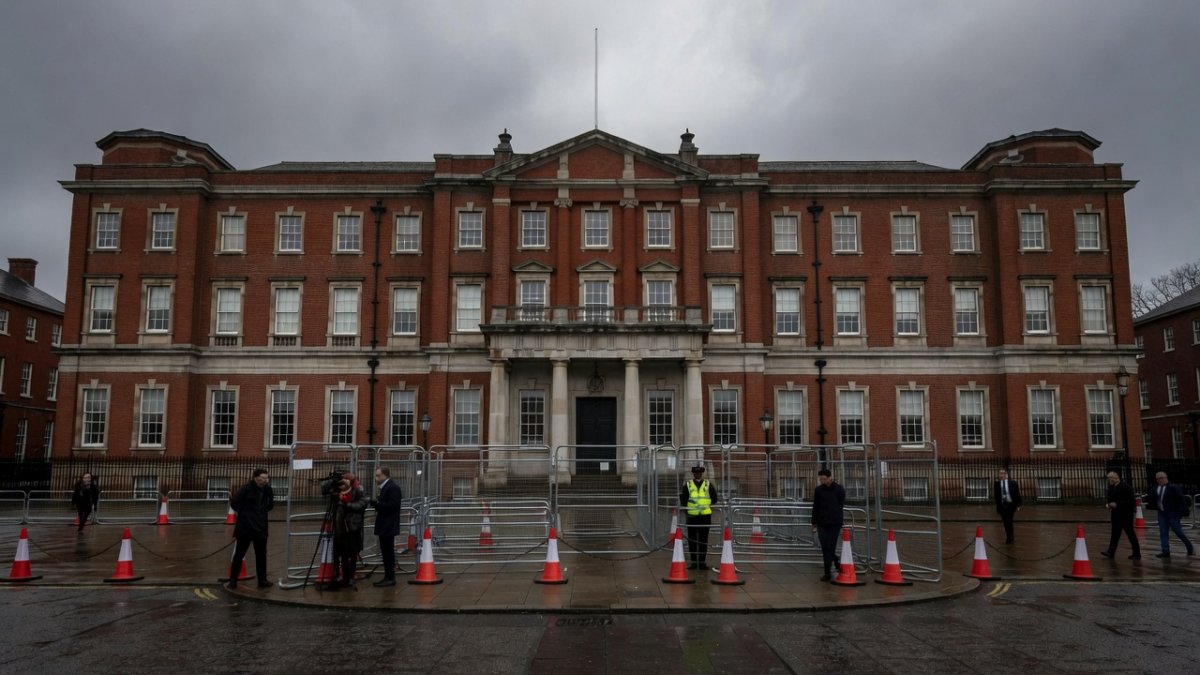
On June 12, 2026, Judge Jeremy Johnson at Woolwich Crown Court handed down sentences that shocked observers worldwide. Charlotte Head and Leona Kamio each received five years, Fatema Rajwani was given four years and eight months, while Samuel Corner was sentenced to seven years and eight months due to an additional charge of grievous bodily harm without intent. All must serve two-thirds of their terms before eligibility for release and face 15 years of terrorist notification requirements.
The judge invoked a terrorist connection under the Sentencing Act 2020, marking the first time such a ruling has been applied to non-violent UK protesters. The decision was based on claims that the actions aimed to intimidate the government and advance a political cause. Defense teams strongly contested this, noting that the defendants were not charged with terrorism offenses initially, suggesting the prosecution avoided testing the terrorism narrative before a jury.
This ruling sets a dangerous precedent for future activism. Lawyers described it as creeping authoritarianism that could criminalize historical protest movements like those of the suffragettes or environmental campaigners. The requirement to serve longer portions of sentences and the notification obligations add layers of restriction that extend far beyond the original convictions for property damage.
Voices from the Defense and Courtroom
Throughout the proceedings, the judge prohibited the defendants from explaining their motivations tied to stopping the genocide in Gaza. This limitation frustrated efforts to contextualize the protest within the broader human rights crisis. Defense counsel argued passionately that the actions were driven by moral imperatives rather than intent to terrorize.
Samuel Corner's legal team highlighted how the destruction targeted equipment potentially involved in taking lives in Gaza. They suggested that in a different context, such interventions might be viewed as commendable efforts to prevent harm. Charlotte Head's representative broke down emotionally while reading character statements, emphasizing the personal toll on the activists.
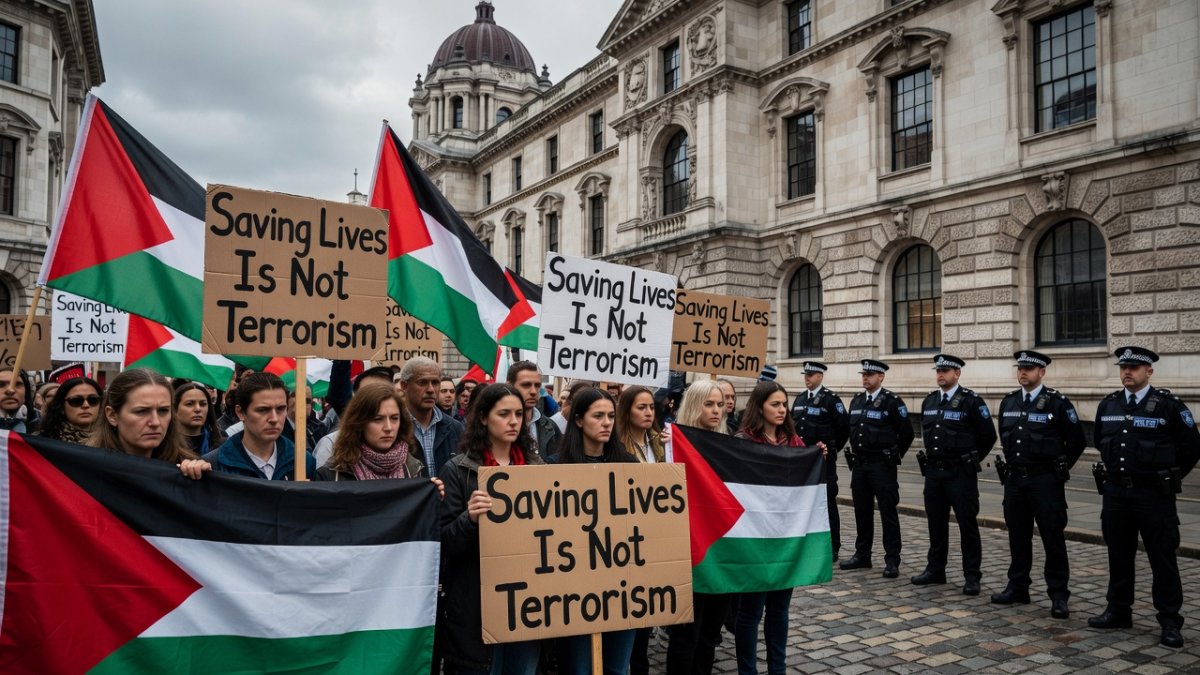
Outside the court, over 500 supporters gathered in solidarity, leading to more than 100 arrests amid heightened tensions. The atmosphere reflected deep divisions over the treatment of Palestine Action, which had been proscribed as a terrorist organization in July 2025. Family members and allies expressed dismay at the severity of the outcomes for what they see as principled resistance.
International Reactions and Human Rights Concerns
Amnesty International condemned the sentences as completely disproportionate, warning of a chilling effect on free expression and assembly. The organization pointed out that similar property damage cases in other contexts rarely attract terrorism enhancements. Human rights advocates across Europe and beyond echoed these sentiments, viewing the case as part of a wider crackdown on pro-Palestine voices.
Palestinian communities and diaspora groups expressed solidarity, framing the ruling as an extension of efforts to silence criticism of Israeli policies. The disproportionate response underscores ongoing concerns about how Western governments handle dissent related to Middle East conflicts. Reports from monitoring bodies noted increased surveillance and restrictions on activist networks following the proscription of Palestine Action.
Legal experts have begun analyzing the judgment for potential appeals, citing inconsistencies in applying terrorism provisions to non-violent offenses. The case has prompted debates in parliamentary circles about balancing security measures with democratic rights. Activists vow to continue their campaigns despite the risks, highlighting the resilience of the movement.
Broader Context of Palestine Action and Global Solidarity
Palestine Action emerged as a direct response to the arms trade linking UK industries with Israeli military operations. The group has conducted multiple actions at Elbit sites, drawing attention to the ethical implications of such manufacturing. Their methods emphasize non-violence toward people while disrupting infrastructure seen as enabling conflict.
The sentencing comes amid heightened global awareness of the humanitarian situation in Gaza. Activists maintain that their interventions seek to enforce international law where governments have failed. This perspective resonates with growing movements calling for accountability in weapons exports.
Community responses in Bristol and London have included vigils and educational events to sustain momentum. The Filton 4 case has galvanized new supporters who see parallels with past struggles against injustice. Long-term implications may include shifts in how protest is regulated, affecting not only Palestine-related causes but wider civil liberties.
By Fatima Al-Rashid, Staff Writer
This article was produced with AI-assisted research and editorial support. Reporting is based on sources cited in the article.
What's Your Reaction?
 Like
0
Like
0
 Dislike
0
Dislike
0
 Love
0
Love
0
 Funny
0
Funny
0
 Wow
0
Wow
0
 Sad
0
Sad
0
 Angry
0
Angry
0

Gulf/MENA Correspondent at Global1.News. Based in Doha, covering Gulf politics, energy markets, diplomacy, and development across the Middle East and North Africa. Tracks the economic transformation of the Gulf states.












Comments (0)