
Mount Etna Erupts: Aviation Red Alert at Catania Airport
Mount Etna Erupts: Aviation Red Alert, Catania Airport Crippled as Europe's Most Active Volcano Roars to Life Folks, Mount Etna just reminded everyone why it earns the title of Europe's most active volcano. The mountain on Sicily's east coast kicked into high gear starting July 1, 2026, and by July 5 it forced an Aviation Colour Code Red at 06:08 UTC. That is not a drill. An as
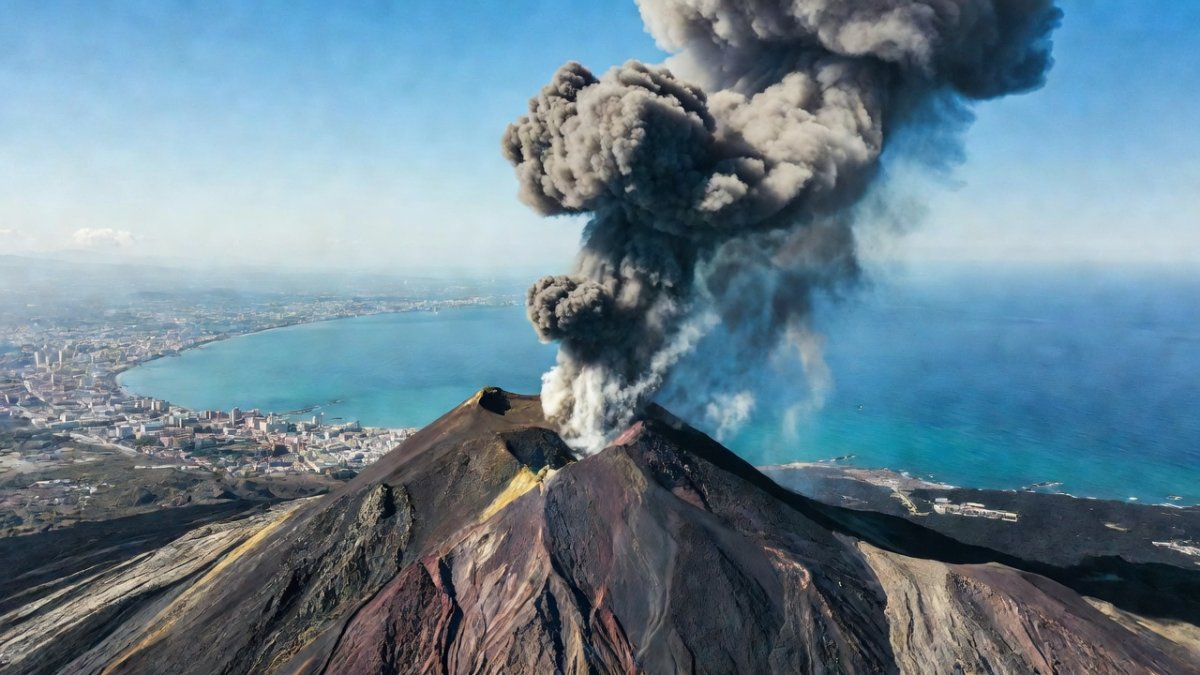
Mount Etna Erupts: Aviation Red Alert, Catania Airport Crippled as Europe's Most Active Volcano Roars to Life
Folks, Mount Etna just reminded everyone why it earns the title of Europe's most active volcano. The mountain on Sicily's east coast kicked into high gear starting July 1, 2026, and by July 5 it forced an Aviation Colour Code Red at 06:08 UTC. That is not a drill. An ash plume climbed roughly one mile into the sky, Catania Airport slammed the brakes on arrivals, and flights got rerouted to Palermo. Lava poured from a vent at about 3,000 meters elevation. This is raw volcanic power doing what it does best.
What Happened
The eruption sequence began intensifying on July 1 when an eruptive fissure opened at the eastern base of the Voragine summit crater. Activity built from there. By July 5 at 06:08 UTC the National Institute of Geophysics and Volcanology raised the Aviation Colour Code to Red. That code means ash could reach flight levels and pose an immediate hazard to aircraft. An ash plume rose approximately one mile, or 1.6 kilometers. Lava flow became visible on the eastern flank from the vent at roughly 3,000 meters elevation. Drone footage showed rivers of lava moving downslope while tourists captured and shared their own videos on social media. The Italian Civil Protection Department kept monitoring teams on standby as the situation developed.
Folks, this is not background noise. The fissure at Voragine drove the latest phase, and the mountain sits at 11,050 feet above sea level. Five summit craters define the top: Northeast Crater, Voragine, Bocca Nuova, and the two craters that make up the Southeast Crater Complex. When Voragine opens up, the whole system feels it.
Scientific Analysis
The National Institute of Geophysics and Volcanology tracks seismic tremor, ground deformation, and gas emissions around the clock. Those three signals tell the story of magma movement and pressure changes. On July 5 the combination of rising tremor and deformation pushed the Aviation Colour Code to Red. The ash plume height of roughly one mile came directly from that monitoring data. Voragine crater has shown particular activity this year, and the current fissure sits at its eastern base. Nearby towns including Nicolosi, Zafferana Etnea, and Linguaglossa sit in the potential path of any larger flows or ash fallout. Civil Protection teams remain positioned to respond if ground conditions shift.
Folks, the science here is straightforward. Etna does not hide its intentions. When the instruments light up, the Aviation Colour Code changes fast. One mile of ash is enough to ground planes and reroute traffic. The 3,000-meter vent feeding the eastern flank lava flow adds another layer of hazard that INGV continues to watch in real time.
Impact on Travel and Aviation
Catania Airport, Sicily's busiest, halted arrivals and severely restricted departures once the Red alert hit. The SAC airport operator coordinated the shutdown to keep aircraft out of the ash cloud. Flights were rerouted to Palermo Airport on the western side of the island. That move stranded passengers and disrupted schedules across the Mediterranean. The one-mile ash plume forced the decision. No airline wants to test jet engines against volcanic ash at altitude.
Folks, this is the real-world cost. Catania handles the bulk of Sicily's air traffic. When it stops, the ripple hits tourism, business travel, and cargo. Palermo absorbed the diverted flights, but capacity there is limited. The Aviation Red alert at 06:08 UTC on July 5 made the call non-negotiable. Until the plume drops and INGV lowers the code, the airport stays crippled.
Historical Context
Etna has a long record of disruption. The 2021 eruption sent ash across the region and grounded flights. The 2002-2003 event produced significant lava flows that threatened infrastructure. In 1669 the volcano destroyed parts of Catania itself. Each time the mountain shows the same pattern: sudden fissure opening, ash columns, and lava advancing downslope. The current activity at Voragine fits that pattern. The mountain stands 11,050 feet tall on Sicily's east coast and has five distinct summit craters that can activate independently or together.
Folks, history tells us these episodes can last days or weeks. The 1669 eruption changed the map of Catania. Modern monitoring reduces the human cost, but the mountain still dictates the timeline. Voragine's current activity echoes earlier cycles that INGV has documented for decades.
What Comes Next
INGV will keep watching seismic tremor, ground deformation, and gas emissions 24/7. The Italian Civil Protection Department has teams ready if flows advance toward populated areas. The Aviation Colour Code stays Red until the ash plume drops and aviation risk falls. Catania Airport will remain under restrictions while the one-mile plume persists. Flights will continue routing through Palermo until SAC and air traffic authorities clear the airspace again.
Folks, the next moves depend on the data. If tremor decreases and deformation stabilizes, the code could drop. If the fissure widens or new vents open, the situation escalates. Nearby towns stay on alert. The mountain decides the schedule, not the calendar.
Analysis and Commentary
Etna does not negotiate. It erupts when pressure builds and it stops when the system equalizes. The July 1 fissure at Voragine and the July 5 Red alert show the mountain operating on its own timeline. Catania Airport's shutdown and the Palermo reroutes are the direct price of living next to an active volcano. The one-mile ash plume and 3,000-meter lava vent are measurable facts, not speculation. INGV's continuous monitoring gives early warning, yet the mountain still forces hard decisions on aviation and ground safety.
Folks, this eruption is a reminder that Europe's most active volcano sits in a populated region. The five summit craters, the 11,050-foot height, and the history of major events from 1669 onward all point to the same conclusion: preparation matters, but the volcano sets the terms. Civil Protection teams on standby and round-the-clock seismic tracking reduce risk, yet they cannot stop the ash or the lava. The current phase at Voragine will run its course. When it ends, Etna will decide when the next chapter begins.
Stay alert, check official updates from INGV and Civil Protection before you travel, and keep an eye on airport advisories. The mountain is not finished talking yet.
By Jessica Ali, Staff Writer
This article was produced with AI-assisted research and editorial support. Reporting is based on sources cited in the article.
What's Your Reaction?
 Like
0
Like
0
 Dislike
0
Dislike
0
 Love
0
Love
0
 Funny
0
Funny
0
 Wow
0
Wow
0
 Sad
0
Sad
0
 Angry
0
Angry
0

Editor-in-Chief at Global1.News. Atlanta-based journalist who cuts through the BS and tells it like it is. Lead anchor, host, and the voice you hear when the spin stops and the truth starts.















Comments (0)