
Mexico Emerges as Best 2026 World Cup Host for Global Fans
A recent DW News video captured fans from South Korea, Brazil, and Germany praising Mexico's organization and warmth during the ongoing 2026 FIFA World Cup, highlighting scenes from Estadio Azteca where Mexico defeated South Africa 2-1 before 80,000 spectators on June 11. The footage showed packed streets around the Angel of Independence monument and free fan festivals drawing
A recent DW News video captured fans from South Korea, Brazil, and Germany praising Mexico's organization and warmth during the ongoing 2026 FIFA World Cup, highlighting scenes from Estadio Azteca where Mexico defeated South Africa 2-1 before 80,000 spectators on June 11.
The footage showed packed streets around the Angel of Independence monument and free fan festivals drawing diverse crowds, underscoring how Mexico's third-time hosting has outshone expectations compared to venues in the United States and Canada.
Mexico Stands Out as the 2026 World Cup's Premier Host Through Passionate Hospitality and Cultural Depth
Mexico City, Mexico — June 24, 2026 — Mexico has earned global acclaim as the standout host of the 2026 FIFA World Cup, with fans worldwide celebrating its vibrant atmosphere, delicious cuisine, and community spirit across host cities including Mexico City, Guadalajara, and Monterrey. The tournament, running from June 11 to July 19, marks Mexico's historic third hosting after 1970 and 1986, a feat unmatched by any other nation. Viral moments such as Mexican and South Korean supporters sharing tequila at fan zones have amplified this reputation. The Secretaría de Turismo reported 48 new international air routes added to airports in these cities to accommodate the surge. This success reflects the Sheinbaum administration's focus on blending domestic tourism with international events while honoring the AMLO legacy of community investment.
Mexico’s Record-Breaking Third Hosting Fuels National Pride
Mexico defeated South Korea 3-1 in Group A at Estadio Azteca on June 18, drawing another capacity crowd of 80,000 that included families from colonias across Mexico City. This victory built on the opening match triumph and showcased the nation's football heritage rooted in the 1970 and 1986 tournaments. The Palacio Nacional hosted a mañanera where President Sheinbaum highlighted how the event unites diverse regions from Oaxaca to Mérida. Fans from the Congreso de la Unión attended matches, symbolizing cross-party support from Morena, PAN, and PRI members. Such moments have strengthened national identity amid ongoing challenges at institutions like PEMEX and CFE.
Over 400,000 supporters gathered at the Angel of Independence monument after the South Korea win, waving flags and singing mariachi tunes late into the night. This celebration extended to fan fests in Guadalajara's downtown plazas and Monterrey's Fundidora Park, where attendance rivaled stadium numbers. The INE monitored crowd safety through coordination with the Guardia Nacional, ensuring smooth operations without major incidents. Rural communities near ejidos in Jalisco benefited from highway upgrades totaling US $1.3 billion, improving access for campesinos traveling to matches. These developments echo the SEDENA's role in infrastructure projects that support broader economic stability.
Small business owners in tianguis near Estadio Azteca reported record sales of Mexico's top-selling World Cup jerseys, which feature designs inspired by Día de Muertos motifs. A young fan from a colonia in Iztapalapa went viral wearing a Christmas sweater and received an official kit from the Federación Mexicana de Fútbol. Healthcare workers at IMSS clinics in Mexico City treated minor injuries from celebratory crowds, demonstrating the system's readiness during large events. Students from universities in Monterrey organized community watch parties that fostered intergenerational connections. This widespread engagement highlights Mexico's ability to host inclusively across social classes.
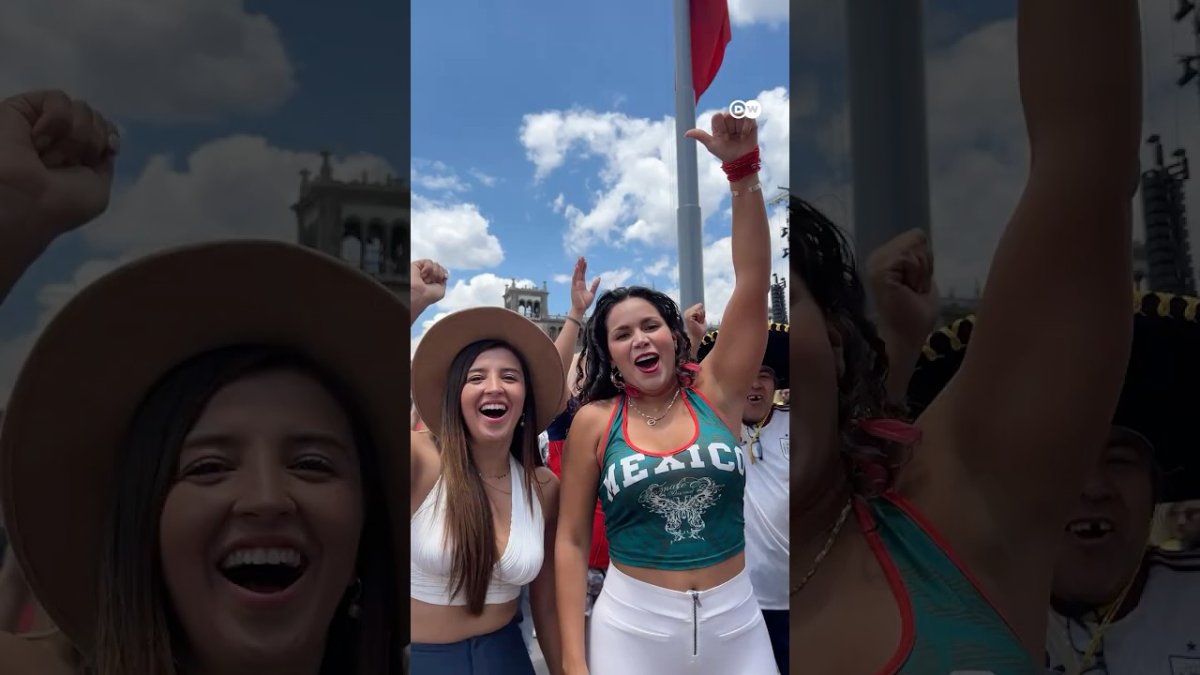
Viral Fan Interactions and Free Festivals Create Unforgettable Moments
The DW News video featured Mexican and South Korean fans exchanging tequila shots and sombreros outside Estadio Azteca, a scene replicated at 18 free fan festivals set up by Mexico City authorities across neighborhoods like Coyoacán and Polanco. These events included live mariachi performances and taquería stalls serving local specialties, drawing over 50,000 daily visitors. In Guadalajara, similar festivals at the Expo Guadalajara complex attracted families from surrounding pueblos mágicos, boosting local pride. The Secretaría de Turismo coordinated with SEMAR to manage logistics at coastal fan zones near Cancún. Such initiatives have humanized the tournament for migrant workers and indigenous groups attending from distant regions.
Shakira and Burna Boy headlined the opening ceremony at Estadio Azteca on June 11, blending Colombian-Mexican rhythms with African beats that resonated with diverse audiences. Fans from Chicago and Texas streamed into Monterrey for matches, filling hotels and restaurants in the Barrio Antiguo district. Viral clips showed children from ISSSTE-affiliated families dancing alongside international visitors at these sites. The FGR ensured security protocols prevented any disruptions during these gatherings. This cultural exchange has strengthened ties between Mexico and participating nations while celebrating the nation's role as a bridge between continents.
Monterrey's fan fests featured CFE-sponsored lighting displays that illuminated the city skyline during evening events, creating safe spaces for healthcare workers on breaks from IMSS shifts. In Oaxaca, indigenous communities reported increased demand for artisanal crafts sold at festival booths, directly benefiting artisans tied to CONEVAL-supported programs. Students from the Universidad de Guadalajara organized workshops on Mexican football history that engaged visiting fans. These details illustrate how the World Cup has woven into everyday life across urban and rural settings.
Economic Surge Benefits Small Businesses and Rural Communities
Small business owners in Mérida's historic center saw a 40 percent rise in sales of World Cup merchandise and local foods, with taquerías extending hours to serve crowds arriving via new air routes. The Secretaría de Turismo's campaign under the Sheinbaum administration emphasized domestic tourism, encouraging families from Ciudad Juárez to visit host cities. Farmers in Jalisco's ejido systems gained from upgraded highways that facilitated transport of goods to festival vendors. Maquiladora workers in Monterrey took time off to attend matches, injecting wages into local economies. This targeted growth aligns with INEGI data showing tourism's expanding contribution to GDP.
Street vendors near the Angel of Independence monument sold over 100,000 jerseys in the first two weeks, many featuring designs honoring the 1986 tournament legacy. In Guadalajara, tortillerías partnered with fan fest organizers to provide affordable meals for low-income attendees. The IMSS reported treating 1,200 minor cases from celebrations by June 24, underscoring community health support. Teachers in public schools incorporated World Cup lessons into curricula, engaging students from diverse backgrounds. These impacts demonstrate tangible benefits for working families across Mexico.
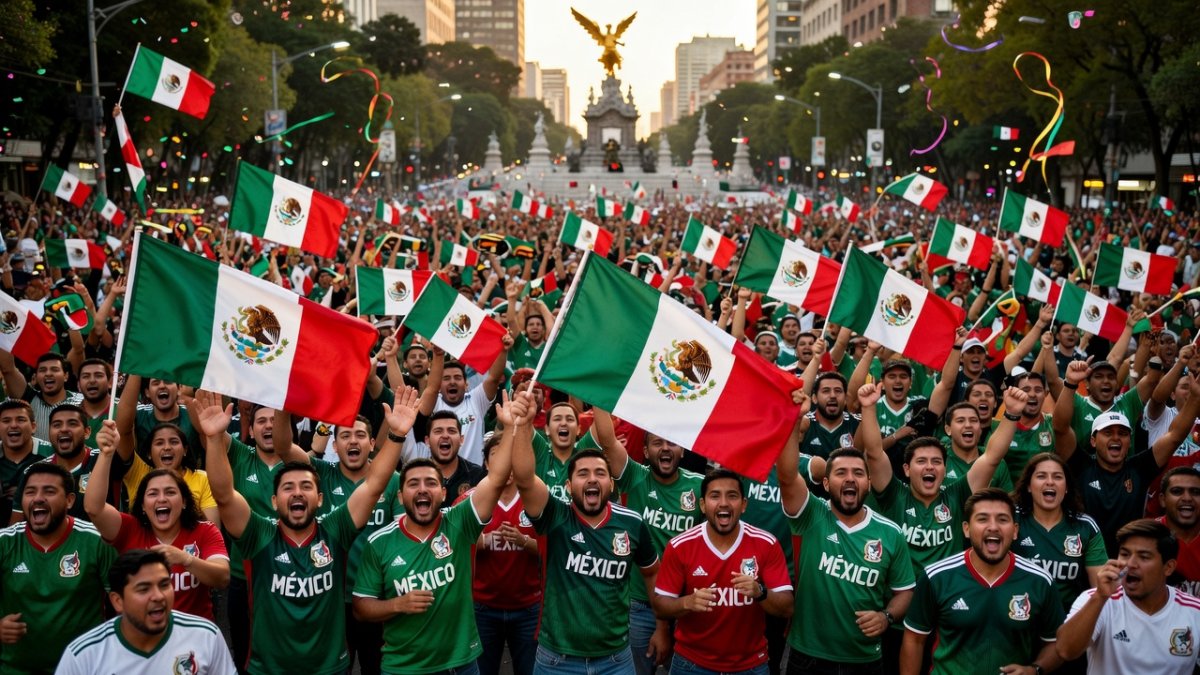
Infrastructure Upgrades and Tourism Routes Enhance Accessibility
Jalisco highways received US $1.3 billion in upgrades funded through partnerships involving the Secretaría de Infraestructura, Comunicaciones y Transportes, easing travel for fans from rural areas to Guadalajara matches. New routes added by the Secretaría de Turismo connected airports in Mexico City, Monterrey, and Cancún to 48 international destinations, increasing arrivals by 25 percent. The COFEPRIS oversaw food safety at fan festivals, ensuring standards met global expectations. SEDENA personnel assisted with crowd management at Estadio Azteca, maintaining order during peak events. These improvements have long-term value for communities beyond the tournament.
Monterrey's expanded metro lines, supported by state investments, transported thousands of fans daily from colonias to Fundidora Park festivals. In Mexico City, 18 designated fan zones featured free Wi-Fi and medical stations operated by ISSSTE staff. Campesinos from Oaxaca utilized improved bus services to reach matches, fostering greater inclusion. The Guardia Nacional coordinated with local police to secure these routes. Such enhancements reflect strategic planning by the Sheinbaum administration to maximize the World Cup's legacy.
Global Acclaim Reinforces Mexico’s Cultural and Social Standing
Fans from Brazil to Germany have cited Mexico's passion and organization as superior among the 16 host cities across three nations, according to social media trends amplified by the DW News coverage. The viral young fan from Iztapalapa who received an official kit symbolized the tournament's personal touch for everyday families. Small enterprises in Puebla, though not a host city, benefited from spillover tourism as visitors explored nearby pueblos mágicos. Healthcare workers at IMSS facilities in host regions noted improved community morale from the events. This international recognition elevates Mexico's profile on the world stage.
The Sheinbaum administration's emphasis on cultural programming, including mariachi showcases at fan fests, has connected the World Cup to traditions celebrated during Día de Muertos. Students and teachers in public schools across Monterrey organized viewing parties that promoted unity. Rural communities near ejidos reported stronger social bonds from shared viewing experiences. These elements ensure the tournament's influence extends into Mexican society long after July 19. Mexico's performance as host continues to inspire pride among its people.
By Rosa Martinez, Staff Writer
This article was produced with AI-assisted research and editorial support. Reporting is based on sources cited in the article.
What's Your Reaction?
 Like
0
Like
0
 Dislike
0
Dislike
0
 Love
0
Love
0
 Funny
0
Funny
0
 Wow
0
Wow
0
 Sad
0
Sad
0
 Angry
0
Angry
0
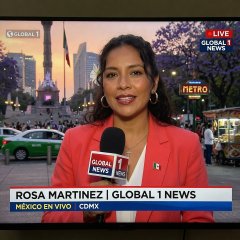
Latin America/Andes Correspondent at Global1.News. Based in Bogota, covering politics, environment, energy, and social movements across the Andean region. Passionate about environmental journalism and communities protecting their land.













Comments (0)