
Mawazine Festival 2026 Opens in Rabat with African Stars and
Mawazine — Rhythmes du Monde, one of Africa's largest music festivals, is underway in Rabat, Morocco, drawing millions to its free concerts across multiple stages. The 21st edition, running from June 19 to 27, 2026, features a spectacular lineup of African superstars, international headliners, and Morocco's finest musical talents. Mawazine Festival 2026 Opens in Rabat with Afri
Mawazine — Rhythmes du Monde, one of Africa's largest music festivals, is underway in Rabat, Morocco, drawing millions to its free concerts across multiple stages. The 21st edition, running from June 19 to 27, 2026, features a spectacular lineup of African superstars, international headliners, and Morocco's finest musical talents.
Mawazine Festival 2026 Opens in Rabat with African Stars and Global Headliners
Dakar, Senegal — The festival kicked off with a spectacular opening, continuing its tradition as one of the world's most attended music gatherings. This year's edition showcases the best of African music alongside global icons, reinforcing North Africa's position as a cultural bridge between continents.
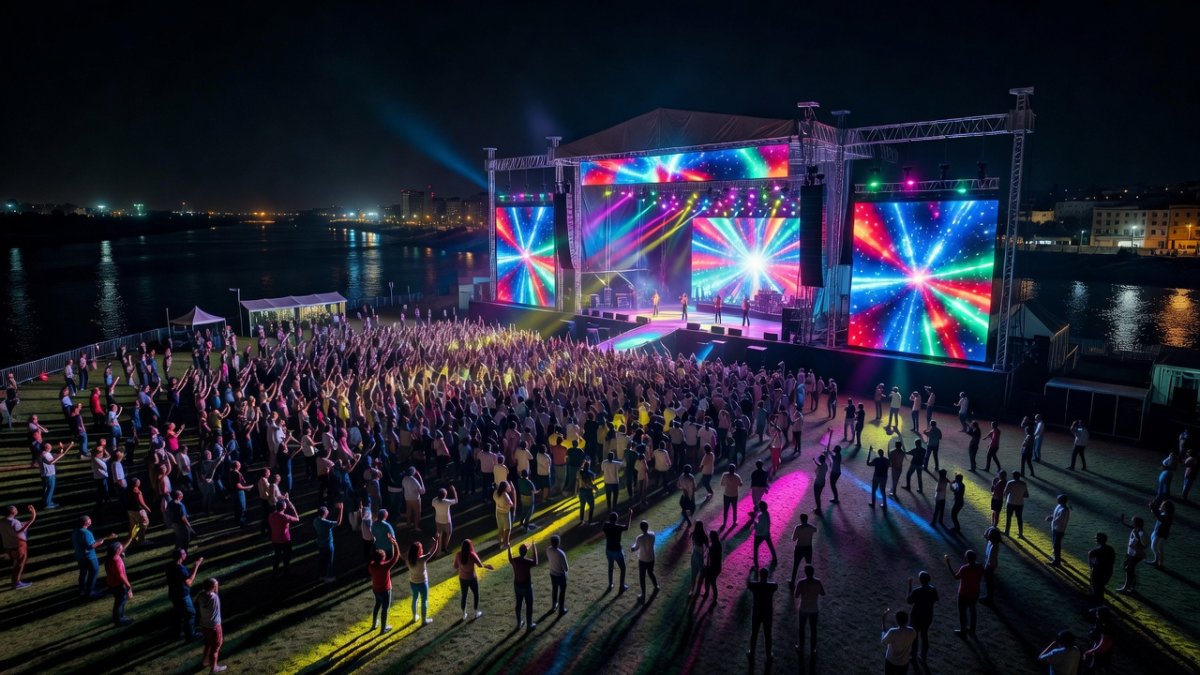
African Stars Take Centre Stage at Mawazine 2026
Stonebwoy, the Ghanaian Afro-dancehall star, performs on Saturday June 20 at 10:30 PM on the Bouregreg stage, bringing his signature high-energy rhythms that blend reggae and traditional Ghanaian sounds to the Rabat audience. Tyla, the South African singer known for her Amapiano-infused tracks, takes the OLM Souissi stage on Sunday June 21 at 22:30, highlighting the growing influence of South African genres across the continent. Rema, the Nigerian Afrobeats star, headlines on June 24, drawing crowds eager for his global hits that have propelled Afrobeats into mainstream international charts.
El Grande Toto, the Moroccan rapper, joins Cheb Khaled, the Algerian raï legend, for a stadium show at Prince Moulay Abdellah Stadium, merging hip-hop with classic raï traditions that resonate deeply in North African communities. Douzi performs on June 26, adding contemporary Moroccan pop to the mix while the festival maintains its commitment to free concerts across multiple stages. This lineup underscores the explosive global rise of Afrobeats, Amapiano, and Afro-dancehall, genres that originated in West and Southern Africa yet now dominate streaming platforms worldwide.
Moroccan artists such as Youness Rbati, Driss Bouazzaoui, and El Haj Moughit appear on side stages, providing local flavor that complements the international headliners. The 21st edition in 2026 continues Mawazine's role in elevating African music's visibility, with performances that celebrate the creative economy's expansion from Accra to Lagos. Audiences experience how these genres foster cross-border collaborations, strengthening cultural ties between West Africa and the Maghreb.
Chris Brown opened the previous Mawazine edition according to africanews coverage, setting a precedent for global stars sharing bills with African talents. The current programming reinforces Morocco's position as an entertainment hub for North and West Africa, where artists exchange influences that enrich the broader music landscape. Every evening showcases the diversity of African rhythms, from dancehall grooves to raï melodies, drawing 2-3 million visitors annually to Rabat.
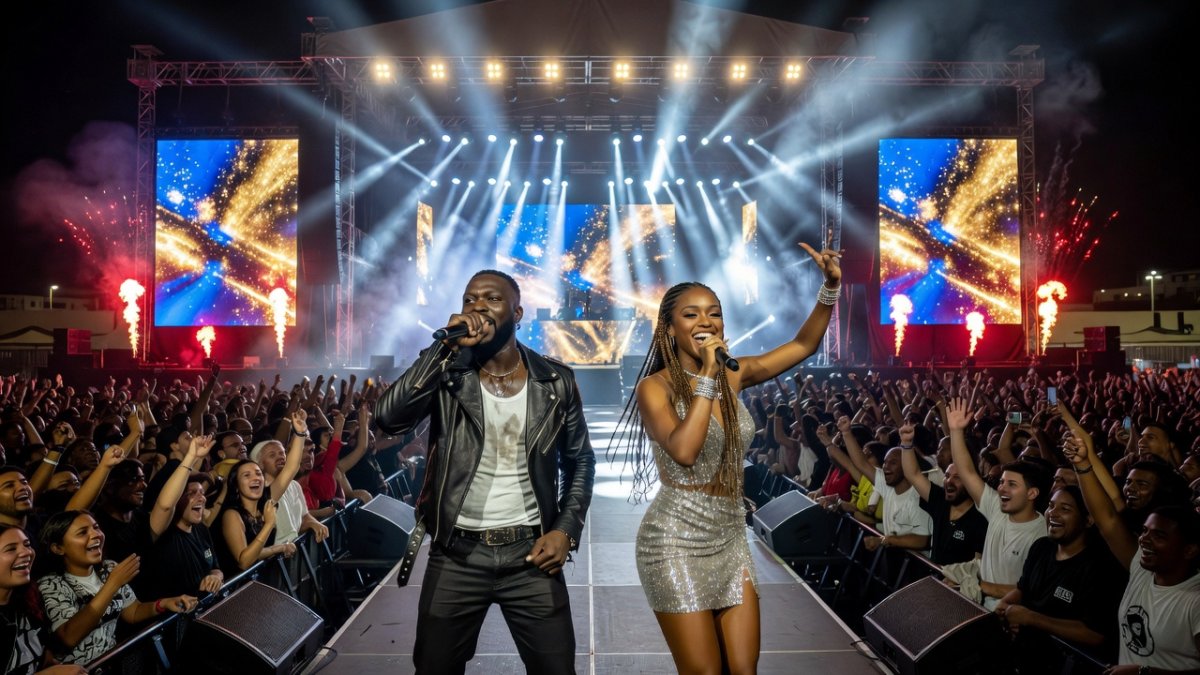
Morocco's Festival Culture: A Bridge Between Continents
The Gnaoua & World Music Festival in Essaouira runs simultaneously from June 25-27, offering another major platform that attracts international visitors to Morocco's coastal heritage sites. Festival Mawazine draws 2-3 million visitors annually through its free concerts across multiple stages, making world-class performances accessible to local communities and tourists alike. The Bouregreg stage, OLM Souissi, and Prince Moulay Abdellah Stadium serve as primary venues, while after-parties at Chellah and Golf extend the celebrations into the night.
Afters du Chellah features Gipsy Kings by Diego Baliardo on June 22, Dany Brillant on June 21, and Jungeli on June 24, creating intimate experiences that blend flamenco, French chanson, and contemporary African sounds. Morocco's unique position as a cultural crossroads allows these events to connect North African traditions with sub-Saharan influences, fostering dialogue across the Sahara. The broader North African festival scene includes the Carthage Festival in Tunisia and the Fes Festival of World Sacred Music, both of which share Mawazine's emphasis on heritage preservation alongside innovation.
Free concerts across multiple stages ensure that economic barriers do not limit participation, a model that has inspired similar initiatives in neighboring countries. Morocco's festival landscape positions the kingdom as a gateway for artists traveling between Europe, the Middle East, and West Africa. This accessibility strengthens regional cooperation in the creative sector, where music serves as a diplomatic tool.
Venues like the historic Chellah provide atmospheric backdrops that enhance the cultural exchange, drawing parallels to ancient trading routes that once linked African civilizations. The simultaneous scheduling with Essaouira's Gnaoua event maximizes tourism flows across the country during late June. Such coordination highlights Morocco's strategic planning in sustaining year-round cultural programming.
Entertainment as Economic Engine: The Business of African Festivals
Morocco's tourism and festival economy benefits significantly from Mawazine's annual influx, with Rabat's hotels, restaurants, and transport sectors reporting substantial gains during the June dates. Mawazine's contribution to Rabat's cultural identity transforms the capital into a recognized destination for global music lovers, complementing the city's administrative role. Major festivals drive the creative economy across Africa in cities such as Lagos, Dakar, Nairobi, Accra, and Johannesburg, where similar events generate employment for technicians, promoters, and artisans.
The Visa for Music expo in Rabat gathers industry professionals to discuss distribution deals and touring opportunities, positioning the city as a key networking hub. Growing global interest in African entertainment has led to increased investment from international labels seeking Afrobeats and Amapiano talent. These developments create sustainable revenue streams that extend beyond ticket sales into merchandise, sponsorships, and media rights.
Festival organizers collaborate with local governments to improve infrastructure, ensuring long-term benefits for host communities. The economic multiplier effect reaches small businesses that supply food, security, and logistics services during the nine-day run. Morocco's entertainment sector continues to expand its reach, attracting partnerships that benefit the wider North and West African markets.
Senegal's Cultural Renaissance and Its Festival Scene
The Saint-Louis Jazz Festival in Senegal remains a cornerstone of West African cultural programming, drawing parallels to Mawazine through its emphasis on live improvisation and cross-generational dialogue. Dakar Biennale, known as Dak'Art, showcases contemporary African art alongside music events, reinforcing Senegal's reputation as a hub for creative expression. Festival Urbanoiz adds urban contemporary flavors that resonate with younger audiences in the capital.
Senegal's music scene parallels Morocco's festival culture through the enduring legacy of Youssou N'Dour and Baaba Maal, whose Mbalax tradition continues to influence global pop. The Afropolis collective promotes African dance diversity by organizing workshops that connect mbalax steps with Amapiano and Afro-dancehall movements. Dakar Carnival celebrates this cultural richness annually, attracting participants who blend Senegalese rhythms with international styles.
These Senegalese initiatives demonstrate how festivals support artistic development while boosting local economies in Saint-Louis and Dakar. Collaborations between Senegalese and Moroccan artists at events like Mawazine strengthen pan-African networks that originated in shared historical migrations. The creative economy in Senegal benefits from similar accessibility models, ensuring broad community involvement.
Pan-African Music's Global Moment
African music's explosive global growth sees Afrobeats, Amapiano, and Mbalax reaching new audiences through streaming platforms that have seen rapid adoption across the continent. The diaspora connection amplifies these sounds in European and American cities, where festivals serve as vital platforms for artists to reach international listeners. Mawazine provides exactly such exposure for performers from Ghana, South Africa, Nigeria, and Morocco.
Artists like Burna Boy, Wizkid, Davido, Tyla, Rema, and Stonebwoy represent the continent on world stages, securing major label deals and chart positions that were once rare for African acts. Streaming adoption across Africa has democratized access to production tools, enabling independent creators to build careers without traditional gatekeepers. Festivals like Mawazine accelerate this momentum by offering live validation that translates into global bookings.
The diaspora connection ensures that second-generation Africans maintain ties to their heritage while introducing hybrid styles that appeal to wider markets. This global moment reflects decades of groundwork by pioneers who established the infrastructure now bearing fruit. Mawazine stands at the center of this shift, bridging local traditions with worldwide demand.
What to Watch For
Upcoming highlights include Tyla's Sunday show on June 21 at 22:30 on the OLM Souissi stage, Rema's headlining performance on June 24, and the stadium collaboration between El Grande Toto and Cheb Khaled. The Gnaoua & World Music Festival follows immediately in Essaouira from June 25-27, offering a seamless continuation for attendees traveling between venues. Afro Nation Portugal takes place July 3-5 with Wizkid and Burna Boy, extending the summer circuit into Europe.
Bhim Festival in London arrives in August, while the Starlight Festival at the Pyramids of Giza is scheduled for October, confirming that Africa's festival season is just heating up. These events collectively demonstrate the continent's capacity to host world-class programming year-round. Audiences planning travel can follow the circuit from Rabat through Essaouira and onward to international destinations.
Additional side-stage appearances by Youness Rbati, Driss Bouazzaoui, and El Haj Moughit provide discovery opportunities for emerging Moroccan talent throughout the week. The combination of stadium spectacles and intimate after-parties ensures varied experiences for every visitor. Africa's cultural calendar continues to expand with each successful edition.
As Mawazine reminds us every year, Africa's cultural vibrancy is unmatched — and the world is finally paying attention. From the streets of Rabat to the shores of Dakar, the continent's music continues to unite, inspire, and transform.
By Amara Diop, Staff Writer
This article was produced with AI-assisted research and editorial support. Reporting is based on sources cited in the article.
What's Your Reaction?
 Like
0
Like
0
 Dislike
0
Dislike
0
 Love
0
Love
0
 Funny
0
Funny
0
 Wow
0
Wow
0
 Sad
0
Sad
0
 Angry
0
Angry
0

West Africa/Sahel Correspondent at Global1.News. Dakar-based journalist covering politics, security, climate, and development across Francophone and Anglophone West Africa. Tells the stories of a region undergoing profound transformation.









Comments (0)