
Reflecting Pool: Algae, Vandalism Claims & Olympian Arrest
The Lincoln Memorial Reflecting Pool was supposed to shine as a centerpiece of national pride after a $14.2 million renovation ordered by President Trump. Instead, the water turned green with algae within days, paint started peeling off the bottom, and the whole project has spiraled into accusations of vandalism, an arrest, and questions about whether the fix was ever sound to
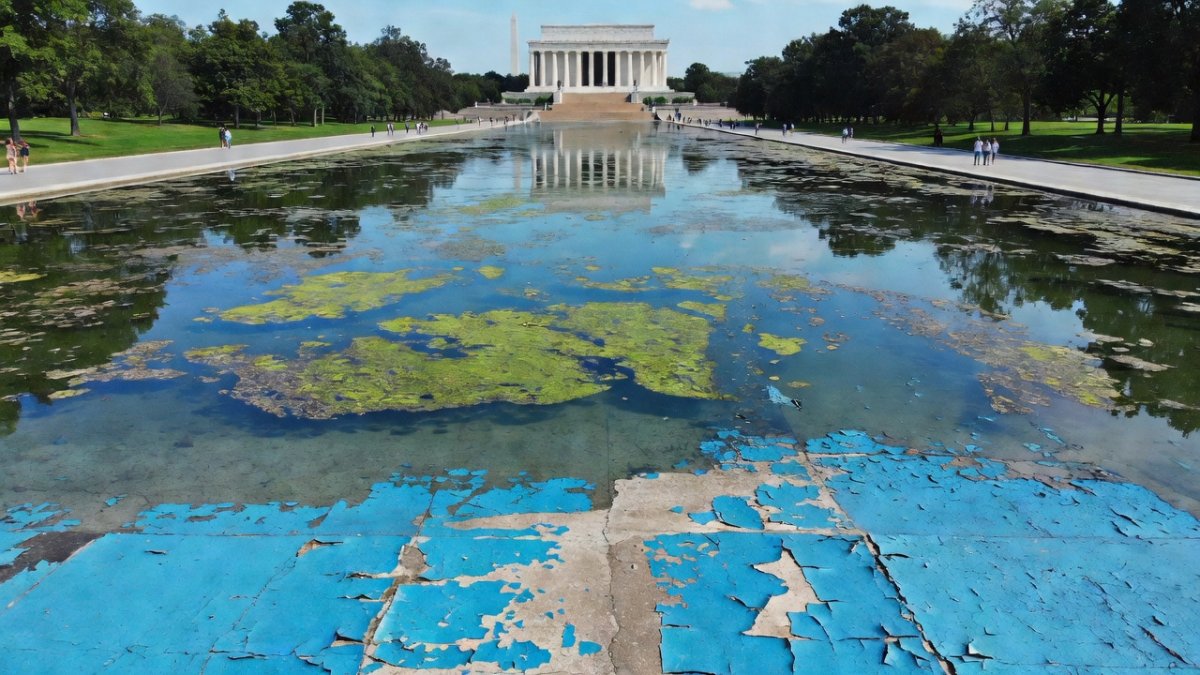
The Lincoln Memorial Reflecting Pool was supposed to shine as a centerpiece of national pride after a $14.2 million renovation ordered by President Trump. Instead, the water turned green with algae within days, paint started peeling off the bottom, and the whole project has spiraled into accusations of vandalism, an arrest, and questions about whether the fix was ever sound to begin with. Folks, this is the kind of story that demands we look past the noise and stick to what actually happened on the National Mall in late June 2026. The episode highlights deeper issues with rushed federal projects, competing political narratives, and the challenges of preparing iconic sites for major national milestones.
The $14.2 Million Promise That Faded Fast
Trump's renovation of the Lincoln Memorial Reflecting Pool formed part of a larger push to beautify Washington, D.C., ahead of America's 250th anniversary celebrations. The president had promised the water would turn "American flag blue," a bold visual statement meant to honor the nation's history. Within days, however, the pool filled with green algae, and paint began peeling off the bottom in visible strips. These details emerged quickly as visitors and maintenance crews noticed the problems, turning what was billed as an upgrade into an immediate embarrassment. The timeline leaves little room for interpretation: the water changed color fast, and the surface started failing just as fast. Rhetorical questions hang in the air here. How does a multimillion-dollar project meant to last for historic events unravel so visibly in such a short window? The renovation was completed in early June 2026, with the pool refilled shortly afterward. By mid-June, algae blooms appeared, followed rapidly by peeling paint. Graffiti reading "86 47" surfaced on the surrounding lawn days later, and the arrest occurred on June 19. This sequence unfolded against the backdrop of Trump's broader D.C. beautification initiative, which allocated funds for multiple monuments and public spaces to prepare for the 2026 semiquincentennial. Critics noted that similar past projects, such as earlier Reflecting Pool maintenance in the 2010s, faced delays and cost overruns, yet none drew the same level of immediate public scrutiny.
Trump's Claims of Vandalism and Destruction
President Trump took to Truth Social to assert that vandals had slashed the pool's lining and poured "corrosive and destructive chemicals" into the water. He also pointed to "86 47" graffiti etched into the lawn near the pool, which many interpreted as a direct threat against him as the 47th president. The post carried strong language, including calls for "Years in jail!" and announcements that the pool would be drained for repairs. Trump further claimed "multiple arrests" had already taken place. These statements framed the algae bloom and peeling paint as the result of deliberate sabotage rather than any flaw in the renovation itself. Yet the facts on record show the green water and peeling paint appeared before any confirmed criminal acts were detailed publicly. The contrast between the official narrative and the visible condition of the pool raises the obvious follow-up: does the evidence of slashed linings and poured chemicals match what crews actually observed on site? The phrase "86 47" carries specific security implications. In certain online and activist circles, "86" is slang for eliminating or killing, paired here with Trump's designation as the 47th president. U.S. Park Police and Secret Service personnel have treated such markings as potential threats, prompting increased patrols around the National Mall. No direct link between the graffiti and the pool's physical condition has been established, but the rhetoric amplified tensions around presidential security during a period of heightened political polarization.
The Arrest of Olympic Canoeist David Hearn
On Friday, June 19, 2026, U.S. Park Police arrested David "Davey" Hearn, a 67-year-old three-time Olympic whitewater canoeist from Maryland. He faces a single misdemeanor charge of destruction of government property. Authorities linked the arrest to the reflecting pool controversy, though Trump had referenced multiple arrests while Hearn remains the only individual named in connection with the case. The timing placed the detention squarely in the middle of the unfolding story, with the pool already showing algae and peeling paint. Hearn's background as an accomplished athlete added an unexpected layer to the proceedings, shifting attention from presidential statements to the specifics of one man's actions on a Friday afternoon. The charge itself stays limited to a misdemeanor, a detail that stands in stark contrast to the "years in jail" rhetoric posted online. Legal observers point out that misdemeanor destruction of government property typically carries fines or short probation rather than lengthy prison terms, underscoring the gap between social media pronouncements and actual prosecutorial outcomes.
Hearn's Account as a 'Curious Citizen'
Hearn told investigators he was on a bike ride when he stopped to inspect the peeling paint at the pool. He said he touched a strand of blue paint and nothing more. Describing himself as a "curious citizen," Hearn maintained that his involvement ended there, with no slashing, no chemicals, and no intent to damage government property. His explanation aligns with the visible condition of the pool, where paint had already begun to peel before his arrival. The account leaves investigators and the public to weigh whether a single touch of existing loose paint constitutes the kind of destruction alleged on Truth Social. Questions persist about how one person's brief stop fits into broader claims of coordinated vandalism, especially when the algae and peeling issues predated the arrest. Hearn's version does not contradict the documented failures of the renovation, and that tension sits at the center of the case. Court records indicate Hearn was released on his own recognizance pending a hearing, with no additional charges filed as of late June 2026.
Timeline of Events and Security Concerns
The sequence began with the renovation's completion in early June 2026, followed within days by the appearance of green algae. Paint peeling was reported next, then the emergence of "86 47" graffiti, culminating in Hearn's arrest on June 19. This compressed timeline fueled speculation on both sides. Security analysts have flagged the graffiti as raising legitimate concerns about threats to the president, given its proximity to a high-profile federal site. Park Police increased surveillance, yet no evidence has surfaced tying the markings to any organized effort against the pool's infrastructure. The episode illustrates how quickly symbolic acts can intersect with practical maintenance failures at national landmarks.
Political Reactions from Both Sides
Reactions split sharply along partisan lines. Republican lawmakers and Trump allies echoed claims of vandalism, arguing that the episode reflected broader disrespect for American institutions ahead of the 250th anniversary. Democratic voices, including statements from members of Congress and advocacy groups, countered that the project represented wasteful spending on cosmetic upgrades while core infrastructure needs went unmet. Outlets including The New York Times, BBC, NPR, The Guardian, and Fox News have all covered the discrepancy between the promised "American flag blue" and the reality that appeared on the ground. No evidence of slashed linings or poured chemicals has been presented publicly to override the simpler explanation of a renovation that did not hold up. The graffiti near the pool remains a separate issue, but it does not explain the algae or the paint failure. When the facts are laid out side by side, the renovation's shortcomings stand on their own, independent of any later arrest. Public polling on similar D.C. projects shows divided opinions, with many Americans supporting anniversary preparations but questioning cost controls.
Critics See a Botched Renovation, Not Sabotage
Critics have argued from the start that the algae bloom and peeling paint point to problems with the renovation itself rather than external vandalism. The $14.2 million project was intended to deliver lasting results for the 250th anniversary events, yet the water turned green and the surface failed within days. The broader context of Trump's D.C. beautification push reveals an ambitious timeline driven by the semiquincentennial deadline, with multiple contractors working under compressed schedules. Environmental factors, including water chemistry and sealant application, have been cited by maintenance experts as likely contributors to the rapid deterioration. When the facts are laid out side by side, the renovation's shortcomings stand on their own, independent of any later arrest.
Where This Leaves the National Mall and the Public
The reflecting pool now sits drained for repairs while the misdemeanor case against Hearn moves forward. Trump's broader effort to prepare the capital for America's 250th anniversary continues, yet this single project has become a flashpoint for competing narratives. The public deserves clarity on whether the green water and peeling paint resulted from the renovation process or from the vandalism described online. Readers can follow updates from the U.S. Park Police and the courts, compare the official statements with the documented condition of the pool, and decide for themselves what the evidence supports. The story is still unfolding in late June 2026, and the facts already on record deserve the same scrutiny applied to any other claim about public property and taxpayer money. As the nation approaches its 250th anniversary, episodes like this test the balance between symbolic gestures and practical stewardship of shared heritage sites.
By Jessica Ali, Staff Writer
This article was produced with AI-assisted research and editorial support. Reporting is based on sources cited in the article.
What's Your Reaction?
 Like
0
Like
0
 Dislike
0
Dislike
0
 Love
0
Love
0
 Funny
0
Funny
0
 Wow
0
Wow
0
 Sad
0
Sad
0
 Angry
0
Angry
0

Editor-in-Chief at Global1.News. Atlanta-based journalist who cuts through the BS and tells it like it is. Lead anchor, host, and the voice you hear when the spin stops and the truth starts.















Comments (0)