
Key inflation gauge worsens as Americans shell out more for gasoline
Inflation Gauge Spikes to Three-Year High as Gas Prices Torch American Wallets
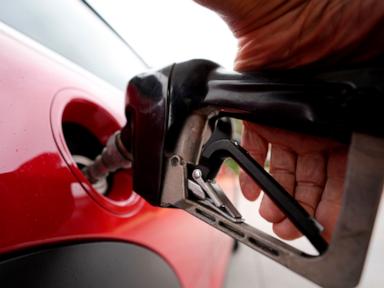
The numbers landed like a gut punch this week. The Federal Reserve’s preferred inflation gauge, the core personal consumption expenditures price index, climbed 0.5 percent in April and posted a 4.4 percent year-over-year jump—the fastest pace since March 2022. Gas prices led the surge, with the national average hitting $3.72 a gallon, up 12 cents in a single month and 28 percent higher than a year earlier. Food-at-home costs rose another 0.8 percent, extending a streak that has now lasted 38 straight months. This is not abstract data. It is the receipt every driver sees at the pump and every shopper feels at the grocery store.
The Data Breakdown No One Can Spin
April’s report from the Bureau of Economic Analysis showed energy goods and services contributing 0.9 percentage points to the monthly headline number. Gasoline alone accounted for more than half of that. Core goods excluding food and energy still rose 0.3 percent, while services prices advanced 0.4 percent, driven by higher rents and restaurant meals. Year-over-year, the headline PCE hit 2.7 percent, but the core measure that strips volatile food and energy printed at 2.8 percent—well above the Fed’s 2 percent target. These figures arrive as the economy adds jobs but real wages for lower- and middle-income households continue to lag cumulative price increases since 2021 by roughly 4 percent on average.
Gas Prices: The Immediate Trigger
Crude oil settled above $82 a barrel in April after OPEC+ extended production cuts and U.S. inventories drew down sharply. Refinery outages on the Gulf Coast added regional spikes, pushing prices in Atlanta above $3.90. The average American household now spends an estimated $3,200 annually on gasoline, up from $2,100 in 2020. That extra $1,100 comes straight out of discretionary spending. Supply-chain analysts note that domestic production has not kept pace with demand recovery, and policy uncertainty around permitting has slowed new drilling projects. The result is a classic cost-push shock layered on top of lingering pandemic distortions.
Food Costs Compound the Squeeze
Grocery bills tell the same story. Beef prices jumped 4.2 percent year-over-year, dairy 5.1 percent, and cereal 6.8 percent. Drought conditions in the Midwest and higher fertilizer costs tied to natural-gas prices are the main culprits. Food banks in metropolitan Atlanta report a 22 percent increase in first-time visitors since January. For families earning under $75,000, food and energy now consume 28 percent of after-tax income—levels not seen since the early 1980s. These are not one-off jumps; they reflect structural pressures that monetary policy alone cannot fix quickly.
Expert Voices Cut Through the Noise
“The April print confirms that disinflation has stalled,” said former Fed economist Claudia Sahm. “Energy and food are not transitory anymore when they keep feeding into wage demands and rent contracts.” Atlanta Fed President Raphael Bostic told a business audience last week that officials are watching whether the latest energy spike leaks into broader expectations. Private-sector forecasts now show only a 35 percent chance the Fed delivers a rate cut before September. Market pricing for the federal-funds rate at year-end has shifted upward to 4.75–5.00 percent, reflecting the new reality that 2 percent inflation remains elusive.
Political and Electoral Stakes
With the presidential election six months away, the inflation report lands squarely in voters’ lived experience. Polls show 58 percent of independents rate the economy as poor, driven primarily by prices at the pump and checkout. The White House points to falling headline CPI from last summer’s peak, but PCE tells a more stubborn tale. Republicans hammer supply-side constraints and regulatory delays; Democrats blame corporate profiteering and global events. Both sides miss the core point: sustained 2.8 percent core inflation erodes purchasing power faster than wage growth can offset for most households.
What This Means for Your Finances
Expect higher borrowing costs to linger. Mortgage rates have already climbed back above 7 percent on 30-year fixed loans. Credit-card interest expenses hit a record $130 billion annualized. Savers holding cash in money-market funds earn 4.8–5.2 percent, but that yield will compress only if the Fed pivots—and April’s data makes any near-term pivot less likely. Retirees on fixed incomes face the steepest squeeze; real returns on TIPS have turned negative after inflation adjustments. Workers negotiating contracts should demand explicit cost-of-living clauses rather than hoping for broad wage gains.
Path Forward and Hard Choices
The Fed faces an unenviable trade-off. Cutting rates now risks re-accelerating price pressures; holding firm risks slower growth and higher unemployment later. Fiscal policy offers little relief—deficits remain above 6 percent of GDP. Long-term fixes require more domestic energy supply, streamlined permitting, and productivity gains in agriculture and logistics. None of these deliver instant relief. Americans should plan for at least another year of elevated costs rather than betting on a quick reversal. The April PCE report is not a blip; it is a reminder that inflation’s retreat is neither automatic nor painless.
By Jessica, Staff Writer
This article was produced with AI-assisted research and editorial support. Reporting is based on sources cited in the article.
What's Your Reaction?
 Like
0
Like
0
 Dislike
0
Dislike
0
 Love
0
Love
0
 Funny
0
Funny
0
 Wow
0
Wow
0
 Sad
0
Sad
0
 Angry
0
Angry
0

Editor-in-Chief at Global1.News. Atlanta-based journalist who cuts through the BS and tells it like it is. Lead anchor, host, and the voice you hear when the spin stops and the truth starts.














Comments (0)