
Keir Starmer Bans Social Media for Under-16s Across UK
**Keywords:** Keir Starmer social media ban, under 16s social media UK, TikTok Snapchat ban Britain, Ofcom age verification, Liz Kendall tech secretary, Online Safety Bill, Australia social media restrictions, children mental health UK The Prime Minister stood at the Downing Street lectern on 15 June 2026 and delivered a verdict that will reshape childhood across every constitu
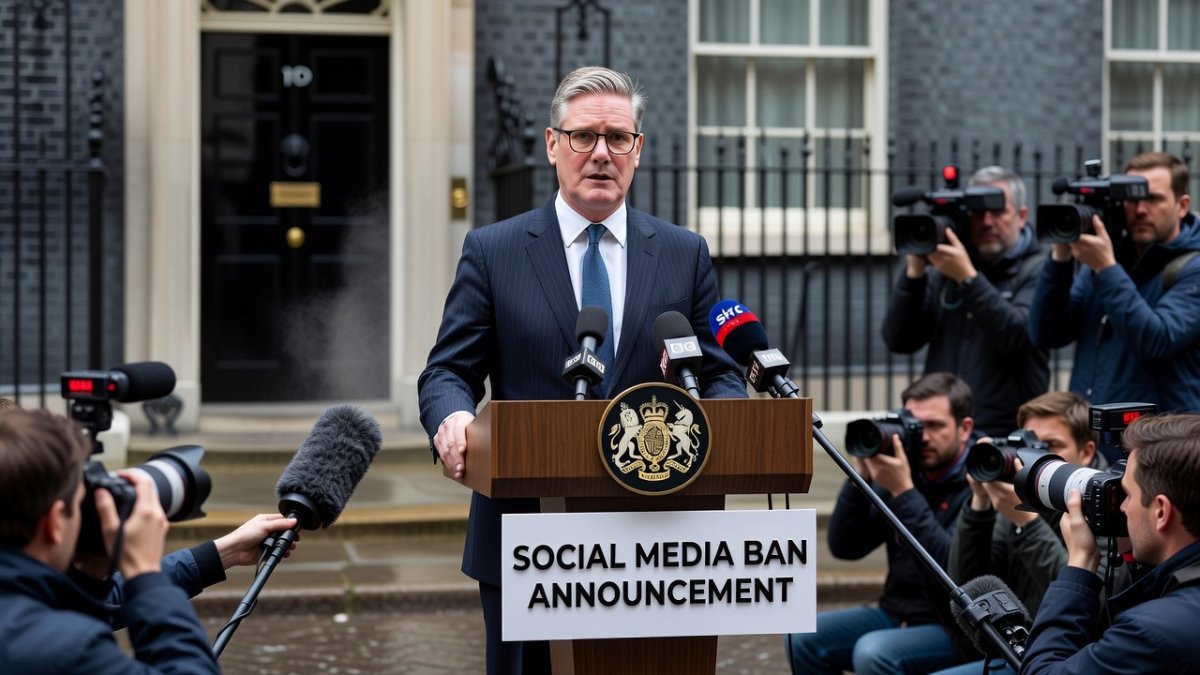
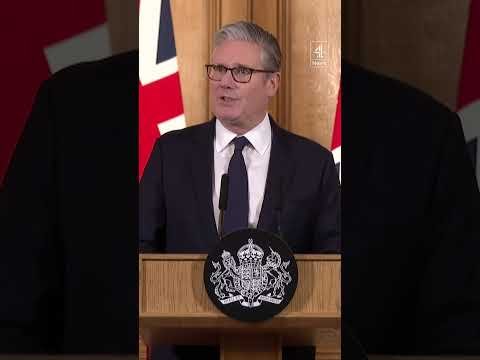
The Prime Minister stood at the Downing Street lectern on 15 June 2026 and delivered a verdict that will reshape childhood across every constituency from the Scottish Borders to the South Wales Valleys. Sir Keir Starmer declared that children under 16 will be barred from Snapchat, TikTok, X, Facebook, YouTube and every comparable platform. The legislation will reach the floor of the House of Commons before Christmas and take effect at the start of Spring 2027.
Downing Street Announcement and Core Provisions
The policy emerged after a government consultation that received more than 110,000 responses, tens of thousands of them from parents. Starmer was unequivocal: “It is clear to me that a full ban is the right choice.” He continued: “Social media is making children unhappy. It is making it easier for bullies to harass and abuse them.”
Tech Secretary Liz Kendall will now draft the statutory instrument. Online Safety Minister Kanishka Narayan confirmed that Britain’s rules will exceed Australia’s December 2025 restrictions in stringency. Ofcom has been instructed to complete a rapid study into Highly Effective Age Assurance (HEAA) systems within weeks.
Age Verification Technology and Enforcement
Possible verification methods include facial recognition comparable to Apple Pay, cross-referencing with existing account data, and mandatory ID checks. The government will also outlaw AI romantic companion chatbots for anyone under 18. Overnight curfews on platforms and enforced breaks in infinite scrolling for under-18s remain under active consideration.
These measures will be policed through the Online Safety Act framework, with Ofcom granted new enforcement powers. Platforms that fail to demonstrate HEAA compliance face fines scaled to global turnover, a deterrent already tested in the Treasury’s digital services tax regime.
Cross-Party Support and Devolved Implications
The announcement drew immediate backing from Conservative frontbenchers and several campaign groups that have long pressed the Department for Education and the Ministry of Justice for tighter controls. Shadow ministers noted that the policy builds on work begun under the previous administration yet criticised the delay in reaching this point.
Implementation will require coordination with the Scottish Government, Welsh Government and Northern Ireland Executive. Education ministers in Edinburgh and Cardiff have already signalled willingness to align school-based digital literacy programmes with the new national rules, while the Northern Ireland Assembly’s Education Committee has requested urgent briefings on enforcement in border communities.
Impact on Families, Schools and Mental Health Services
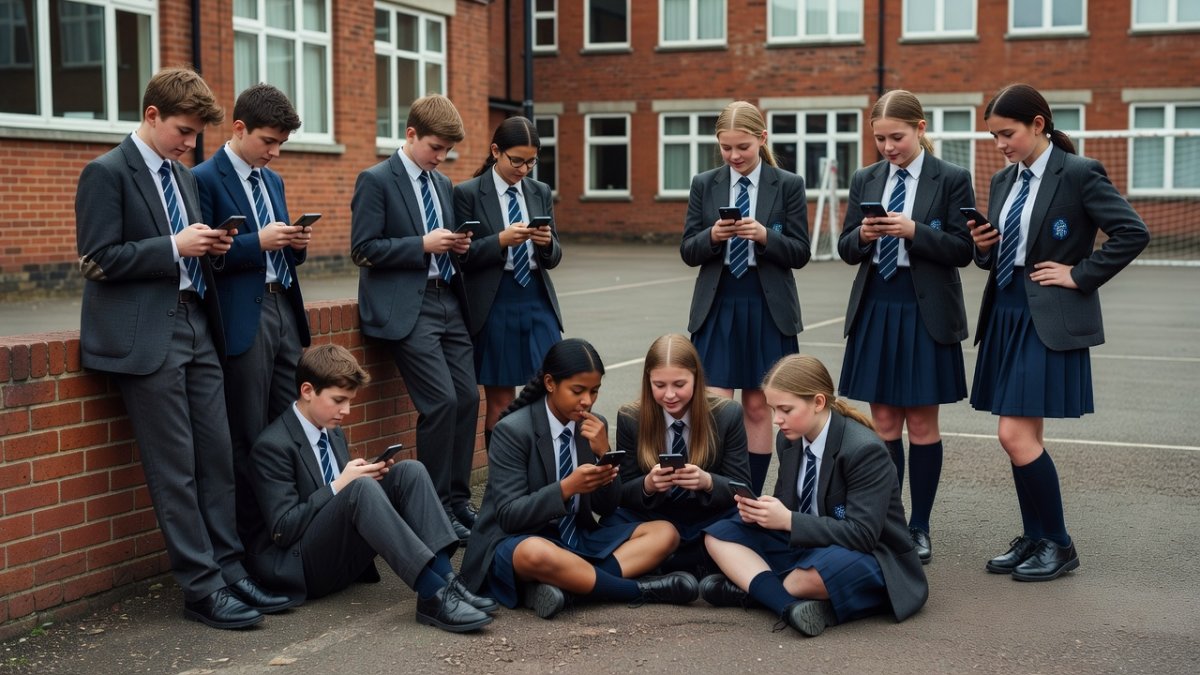
In practice the ban will affect millions of households. In London boroughs such as Tower Hamlets and Haringey, youth workers report that social media disputes now dominate after-school safeguarding referrals. In former industrial towns across the North East and the Midlands, where youth club budgets have been cut, parents describe smartphones as the default babysitter.
NHS England data already links rising referrals for anxiety and self-harm among 11- to 15-year-olds to prolonged platform use. The new restrictions are expected to reduce the volume of cases reaching Child and Adolescent Mental Health Services in regions where waiting lists stretch beyond six months.
Technology Sector Reaction and Regulatory Outlook
Tech firms have condemned the proposals as disproportionate. Industry bodies argue that sophisticated age-assurance tools already exist and that a blanket ban will simply drive children to unregulated corners of the web. Ministers counter that the evidence from Australia’s first six months shows measurable drops in reported bullying incidents.
Parliamentary scrutiny will begin in the autumn session. The House of Lords Communications and Digital Committee is expected to examine the HEAA technical standards, while the Commons Science, Innovation and Technology Committee will hear evidence from Ofcom and the platforms. Any gaps left by the legislation are likely to be tested in the courts within the first year of operation.
The decision places Britain at the forefront of European attempts to redraw the boundary between childhood and the commercial internet. Whether the measures deliver the promised improvement in children’s wellbeing will be measured not in Westminster headlines but in reduced referrals to CAMHS teams from Aberdeen to Plymouth.
By Erica Thornton, Staff WriterThis article was produced with AI-assisted research and editorial support. Reporting is based on sources cited in the article.
What's Your Reaction?
 Like
0
Like
0
 Dislike
0
Dislike
0
 Love
0
Love
0
 Funny
0
Funny
0
 Wow
0
Wow
0
 Sad
0
Sad
0
 Angry
0
Angry
0

US Politics and Policy Correspondent at Global1.News. Based in Washington DC, covering American politics, policy, elections, and the courts. Knows how the system works and tells you what it actually means.















Comments (0)