
Keir Starmer Bans Social Media for Children Under 16 from Spring 2027
Prime Minister Keir Starmer has announced that children under the age of 16 in Britain will be banned from using social media from spring 2027 — a landmark intervention that will cover at least ten platforms including TikTok, Snapchat, YouTube, Instagram and Facebook. Described by Whitehall sources as "Australia-plus", the ban goes further than the world's first such prohibitio
Prime Minister Keir Starmer has announced that children under the age of 16 in Britain will be banned from using social media from spring 2027 — a landmark intervention that will cover at least ten platforms including TikTok, Snapchat, YouTube, Instagram and Facebook. Described by Whitehall sources as "Australia-plus", the ban goes further than the world's first such prohibition introduced in Australia last year, adding restrictions on livestreaming, stranger contact on gaming platforms and potential overnight curfews for older teenagers.
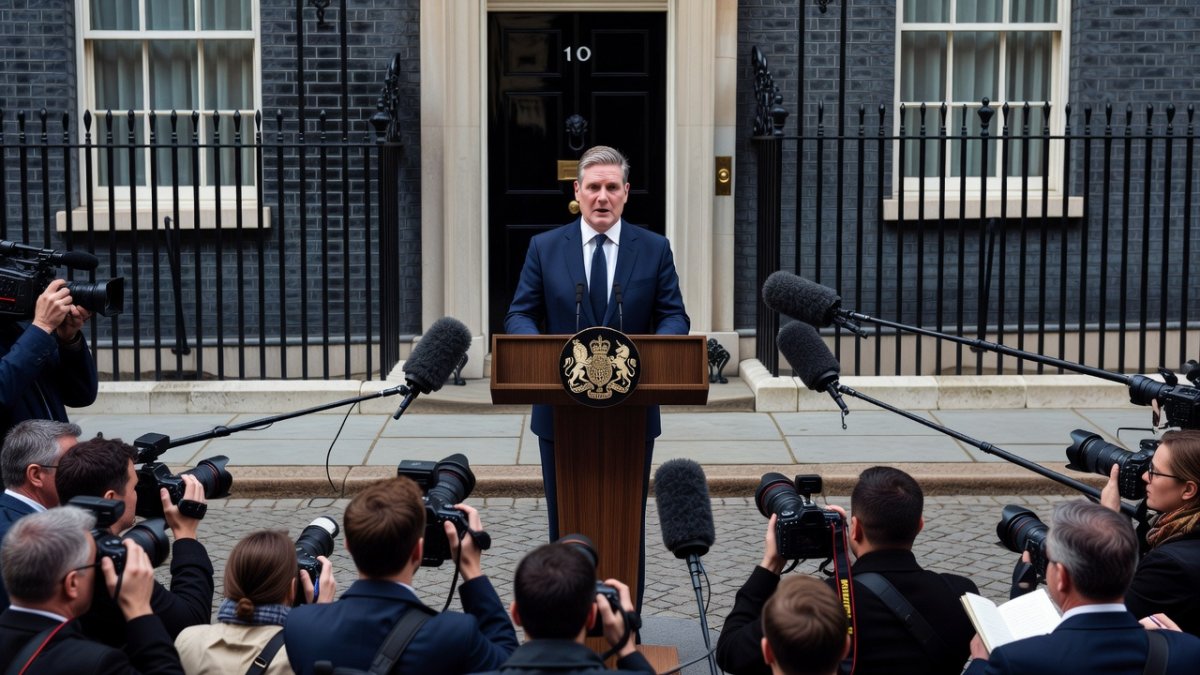
The announcement, delivered from the Downing Street podium on Monday 15 June 2026, follows a government consultation that drew 116,000 responses — with nine in ten parents backing an outright ban. Tech Secretary Liz Kendall will lead implementation, while Ofcom has been tasked with a rapid review of age-assurance technology.
The Downing Street Announcement
Prime Minister Keir Starmer stood at the Downing Street podium on Monday 15 June 2026 and delivered a direct message to Britain's technology giants. Social media platforms will be banned for all children under 16 from spring 2027. The prohibition will cover at least ten named services: TikTok, Snapchat, YouTube, Instagram, Facebook, X, Reddit, Twitch, Threads and Kick. Messaging apps such as WhatsApp and Signal remain outside the scope.
The legislation is expected to clear Parliament before Christmas 2026. Tech Secretary Liz Kendall will oversee implementation, while Ofcom has been instructed to complete a rapid review of Highly Effective Age Assurance systems within months.
Public Consultation and Parental Support
The government received 116,000 responses to its formal consultation. Ninety per cent of parents backed an outright ban. Eighty-three per cent stated that the risks of social media now outweigh any benefits. These figures, drawn directly from the Department for Science, Innovation and Technology, provided the political mandate Starmer needed.
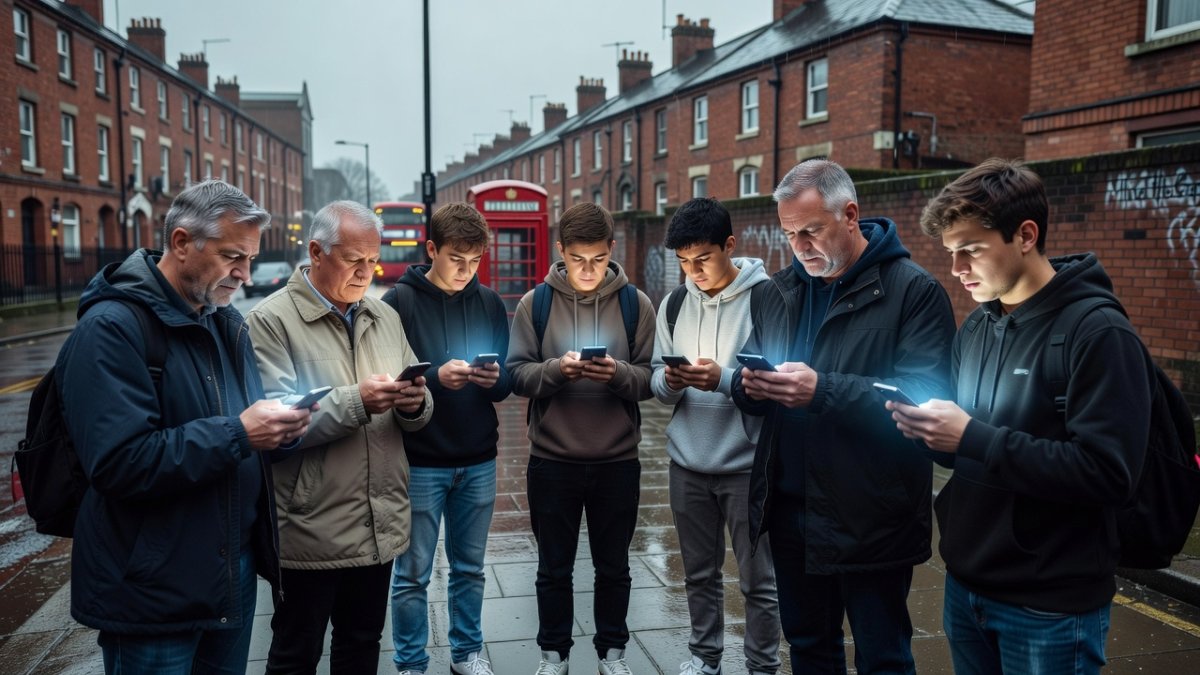
Support crosses traditional party lines in many constituencies, from Labour-held seats in the North East to Conservative strongholds in the Home Counties. Parents in Manchester, Birmingham and Glasgow have repeatedly told local MPs that existing safety tools have failed their children.
The Australia-Plus Model
Australia introduced the world's first outright ban on under-16s in December 2025. Whitehall sources describe the British scheme as "Australia-plus". Additional restrictions will target livestreaming, stranger contact on gaming platforms, AI chatbots and overnight curfews for older teenagers. Infinite-scroll features will also be required to insert mandatory breaks for under-18s.
Online Safety Minister Kanishka Narayan confirmed that enforcement will focus on the platforms themselves rather than individual children. Fines and service restrictions are under active consideration.
Stories Behind the Statistics
Lisa Kenevan, whose son Isaac died after taking part in a social-media challenge, welcomed the announcement in her home city of Leeds. George Nicolaou, father of Christoforos who took his own life following sustained online abuse, spoke from his constituency in Hertfordshire. Both parents argued that delay had already cost lives.
Regional youth services report rising demand for mental-health support linked to social-media harm. In Wales and the North West, local authorities have warned that current safeguarding budgets cannot cope without platform-level intervention.
Industry and Opposition Reactions
YouTube stated that blanket bans risk driving children towards anonymous and less regulated services. Meta warned of isolation from legitimate online communities. Snapchat echoed concerns that young users would simply migrate to less safe platforms.
Ian Russell, father of Molly Russell, described the policy as "deplorable" and called instead for stronger, enforceable regulation. The NSPCC argued that the priority must remain forcing platforms to redesign their products rather than simply excluding younger users.
Enforcement Challenges Ahead
Australian evidence already shows that determined teenagers quickly adopt VPNs and alternative accounts. Ofcom's forthcoming study on age-assurance technology will therefore prove critical. Starmer has made clear he is prepared to confront the largest technology companies directly if they attempt to circumvent the rules.
The measures will affect daily life for millions of families across England, Scotland, Wales and Northern Ireland. Schools, libraries and youth clubs are already preparing guidance for the 2027 rollout. The coming months will test whether the political consensus survives contact with technical and commercial reality.
By Erica Thornton, Staff WriterThis article was produced with AI-assisted research and editorial support. Reporting is based on sources cited in the article.
What's Your Reaction?
 Like
0
Like
0
 Dislike
0
Dislike
0
 Love
0
Love
0
 Funny
0
Funny
0
 Wow
0
Wow
0
 Sad
0
Sad
0
 Angry
0
Angry
0

US Politics and Policy Correspondent at Global1.News. Based in Washington DC, covering American politics, policy, elections, and the courts. Knows how the system works and tells you what it actually means.












Comments (0)