
Japan's Defence Minister Rejects 'New Militarism' Charge as China Condemns Military Build-Up
Japan's Defence Minister Rejects 'New Militarism' Charge as China Condemns Military Build-Up Exchange at the Shangri-la Dialogue Japan's Defence Minister Shinjiro Koizumi addressed delegates at the Shangri-la Dialogue in Singapore with direct remarks aimed at China's national defence ministry. He rejected Beijing's description of Japanese policy as "new militarism" and instead
Japan's Defence Minister Rejects 'New Militarism' Charge as China Condemns Military Build-Up
Exchange at the Shangri-la Dialogue
Japan's Defence Minister Shinjiro Koizumi addressed delegates at the Shangri-la Dialogue in Singapore with direct remarks aimed at China's national defence ministry. He rejected Beijing's description of Japanese policy as "new militarism" and instead highlighted what he termed China's "huge arsenal" as the primary source of regional concern. The exchange occurred on the final day of the annual defence summit and followed earlier statements from Chinese spokesman Jiang Bin.
China's Warnings on Japanese Remilitarisation
One day before the summit, Jiang Bin stated that "the grey rhino of a remilitarised Japan is gathering speed" and urged the international community to contain what Beijing described as Japan's neo-militarism. This language reflects longstanding Chinese concerns over Tokyo's security trajectory, rooted in historical memory of Japan's invasion of China during World War Two and reinforced by current military modernisation trends.
Japan's Budget Trajectory and Constitutional Debates
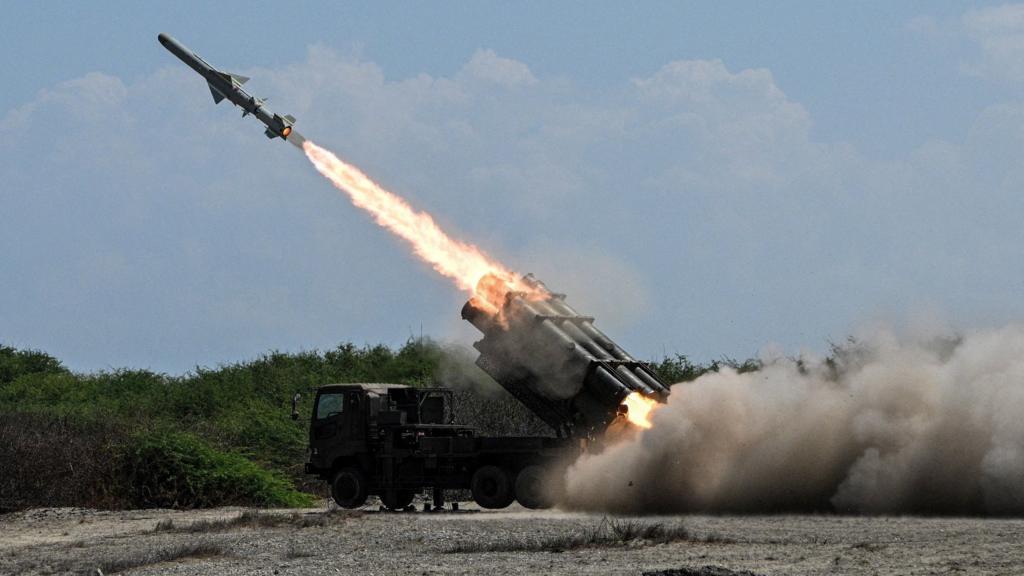
Japan has recorded twelve consecutive years of increased defence spending, with the cabinet approving a budget exceeding 9 trillion yen. Officials in Tokyo maintain that these allocations support defensive capabilities only, including planned acquisitions of surface-to-ship missiles and unmanned systems. Prime Minister Sanae Takaichi has also advanced discussions on revising Article 9 of the constitution and updating key security documents by the end of the year, measures that continue to generate domestic debate and anti-war demonstrations.
Koizumi's Reassurances and Counter-Arguments
In his address, Koizumi described defence updates as a natural response to evolving challenges and pledged continued transparency and dialogue with regional partners. He questioned the application of the "new militarism" label to Japan, noting that Tokyo possesses neither nuclear weapons nor strategic bombers, while pointing to another state's rapid expansion in these areas without sufficient transparency. Koizumi further stated that Japan's door remains open for communication with China.
Regional Implications and Historical Sensitivities
The Singapore exchange also touched on wartime accountability when a Chinese military representative asked whether Japan would issue apologies to victims in China, South Korea and Southeast Asia. Koizumi avoided a direct response on that point but reiterated concerns over China's military activities. These exchanges illustrate how historical grievances continue to intersect with contemporary security planning, affecting diplomatic channels between Beijing and Tokyo amid broader US-China strategic competition.
Outlook for Bilateral Communication
Both governments have signalled willingness to maintain contact even as military postures evolve. Japan's emphasis on transparency and China's calls for restraint reflect differing assessments of threat priorities in the Indo-Pacific. Observers note that sustained dialogue will depend on how each side manages its defence acquisitions and public messaging in the months ahead.
By Prof. Marcus Chen, Staff WriterThis article was produced with AI-assisted research and editorial support. Reporting is based on sources cited in the article.
What's Your Reaction?
 Like
0
Like
0
 Dislike
0
Dislike
0
 Love
0
Love
0
 Funny
0
Funny
0
 Wow
0
Wow
0
 Sad
0
Sad
0
 Angry
0
Angry
0

World Politics Analyst at Global1.News. Based in Beijing, covering US-China relations, global trade, and geopolitical strategy. Brings deep analytical perspective to the power dynamics shaping international affairs.













Comments (0)