
Iran Signals Readiness for Further Military Action
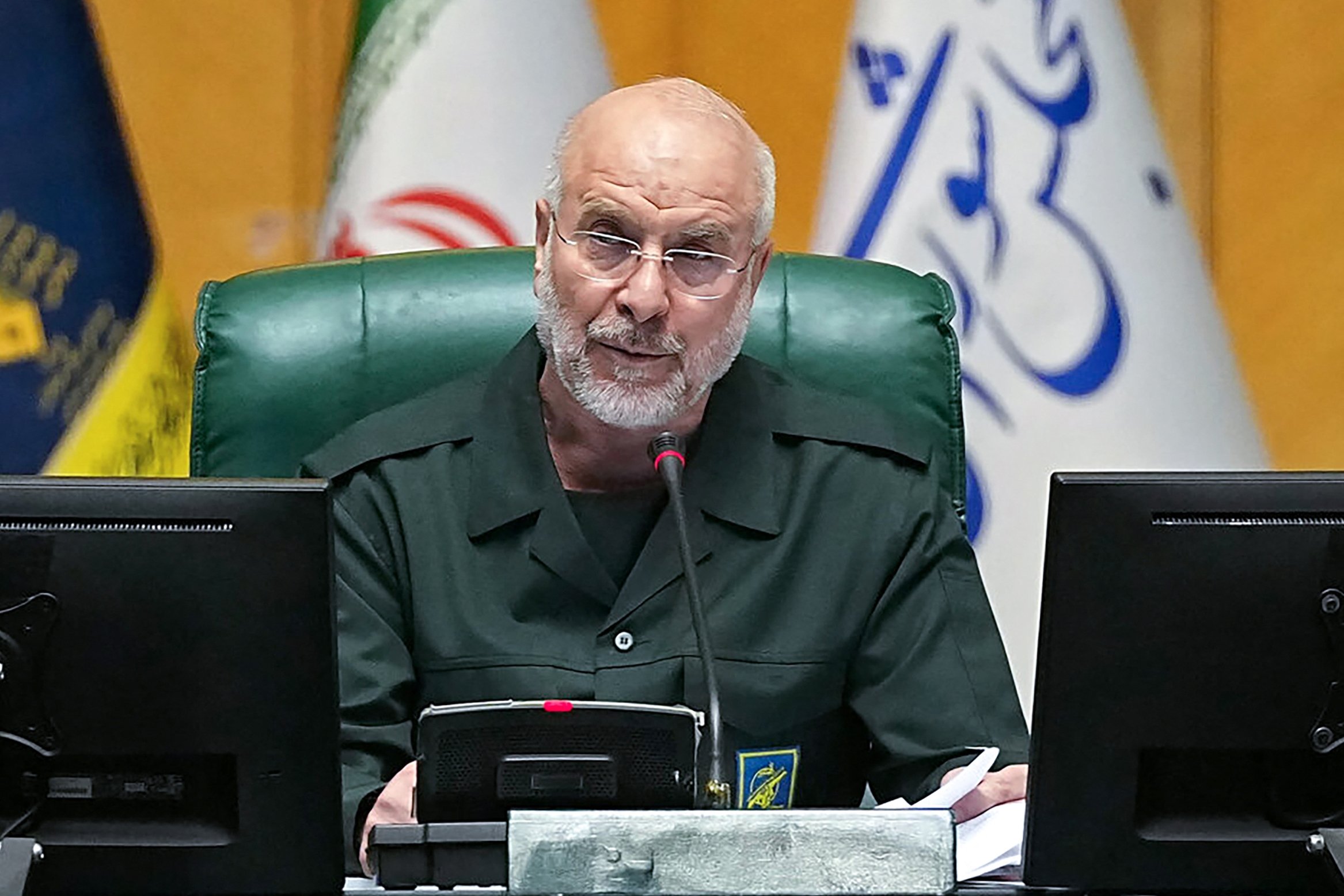
Iran Signals Readiness for Further Military Action Iranian officials have adopted a firm posture in the wake of reported operations tied to earlier U.S. strikes across the region. Chief negotiator Mohammad Bagher Ghalibaf stated that the era of free-of-charge threats against Iran has ended, emphasizing that any aggression would face a decisive and proportionate reply. This lang
Iran Signals Readiness for Further Military Action
Iranian officials have adopted a firm posture in the wake of reported operations tied to earlier U.S. strikes across the region. Chief negotiator Mohammad Bagher Ghalibaf stated that the era of free-of-charge threats against Iran has ended, emphasizing that any aggression would face a decisive and proportionate reply. This language reflects Tehran's ongoing effort to project strength while navigating multiple fronts involving the United States and Israel.
Foreign Minister Details Strikes on Gulf Targets
Foreign Minister Abbas Araghchi described ongoing military actions against sites allegedly used in attacks on Iran, including strikes by the Islamic Revolutionary Guards on locations in Kuwait and Bahrain. He noted that these operations targeted facilities the United States is permitted to use, framing them as self-defense measures. Araghchi warned that hostile acts would receive immediate responses and stressed that sanctions and war have not achieved their intended goals.
U.S. Secretary Highlights Regional Ally Support
U.S. Secretary of State Marco Rubio praised cooperation from Gulf partners, singling out the United Arab Emirates for its aggressive assistance and describing Kuwait's role as fantastic. These remarks underscore Washington's reliance on local basing arrangements and intelligence sharing amid heightened tensions. The comments arrived as Iranian forces reported fresh attacks on a U.S. base in Kuwait and the Fifth Fleet headquarters in Bahrain.
Background of February Escalations and Leadership Losses
Tensions rose sharply after U.S. and Israeli airstrikes on Iran in late February, which reportedly killed more than 3,000 people including Supreme Leader Ayatollah Ali Khamenei and senior commanders. Iran responded by targeting Israeli sites and Gulf facilities hosting American forces while closing the Strait of Hormuz to shipping. A Pakistan-brokered ceasefire took effect on April 8, yet both sides continue to exchange accusations over compliance.
Broader Regional Dynamics and Economic Pressures
The pattern of retaliation involving Iran, Israel, and Gulf states hosting U.S. bases illustrates how local conflicts quickly draw in wider actors. Closure of the Strait of Hormuz directly affects energy exports that sustain economies from Lebanon to the Arabian Peninsula, raising costs for households and businesses dependent on stable fuel prices. Continued diplomatic efforts for a broader agreement remain fragile as each side tests the limits of the current pause.
Implications for Daily Life Across the Middle East
Residents in Lebanon, Bahrain, and Kuwait face indirect effects through disrupted trade routes and heightened security measures at ports and borders. Political leaders in these countries must balance alliance commitments with domestic concerns over potential spillover from missile exchanges. The situation highlights how distant policy decisions translate into tangible pressures on regional stability and everyday commerce.
By Malik Hassan, Staff WriterThis article was produced with AI-assisted research and editorial support. Reporting is based on sources cited in the article.
What's Your Reaction?
 Like
0
Like
0
 Dislike
0
Dislike
0
 Love
0
Love
0
 Funny
0
Funny
0
 Wow
0
Wow
0
 Sad
0
Sad
0
 Angry
0
Angry
0

India/South Asia Correspondent at Global1.News. Analytical voice with a background in science and health journalism. Based in New Delhi, covering Indian politics, education, healthcare, technology, and policy. Breaks down complex data into clear, actionable reporting.














Comments (0)