
Ozempic, Fitness Apps, Olive Oil: Inside India's $170 Billion Wellness Rush
India's wellness sector has surged to a staggering $170 billion valuation, transforming daily routines across urban households from Mumbai to Bengaluru as fitness trackers, calorie-counting apps, and sleep monitors become standard tools. This boom reflects a deeper shift driven by rising lifestyle diseases, with the Ministry of Health and ICMR highlighting increasing cases of d

India's wellness sector has surged to a staggering $170 billion valuation, transforming daily routines across urban households from Mumbai to Bengaluru as fitness trackers, calorie-counting apps, and sleep monitors become standard tools. This boom reflects a deeper shift driven by rising lifestyle diseases, with the Ministry of Health and ICMR highlighting increasing cases of diabetes and obesity in metropolitan areas. Urban professionals now blend pharmaceutical interventions, digital monitoring, and dietary changes to manage health, connecting directly to broader economic pressures on India's middle class and the limits of public healthcare infrastructure.
Ozempic and the Weight Loss Craze in Urban India
Prescriptions for Ozempic, originally developed for type 2 diabetes management, have climbed sharply among affluent residents in Delhi and Hyderabad. Patients at Apollo Hospitals and Fortis facilities report using the drug for rapid weight reduction, often alongside lifestyle adjustments. This trend aligns with ICMR data showing obesity rates exceeding 30 percent in several Tier-1 cities, where sedentary desk jobs and processed food consumption accelerate metabolic issues.
The appeal lies in its dual role for glycemic control and appetite suppression, yet access remains limited to those who can afford private consultations. AIIMS specialists note that such medications fill gaps left by delayed public screening programs under the National Health Mission. For Indian taxpayers, this signals an emerging two-tier system where private solutions outpace government efforts to expand preventive care through Ayushman Bharat.
Fitness Apps — The Quantified Self Movement Goes Desi
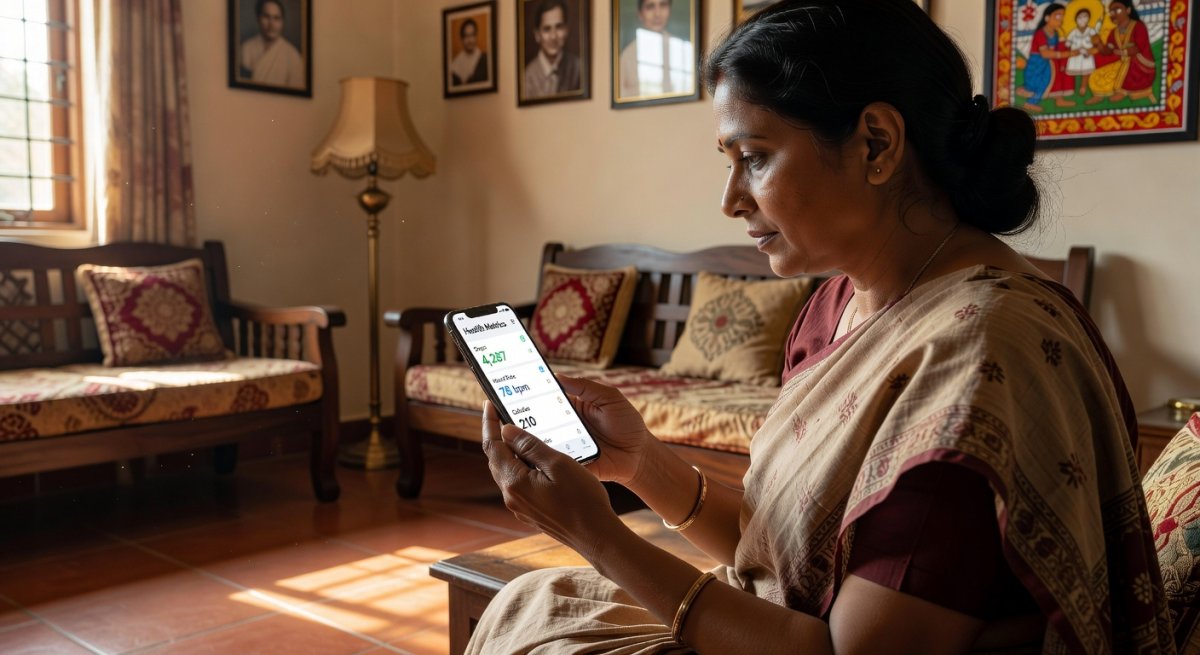
Wearable devices and mobile applications tracking steps, calories, and sleep patterns now feature prominently in the lives of IT professionals in Bengaluru and Pune. These tools quantify daily activity in ways that resonate with India's competitive education and employment landscape, where personal metrics extend from exam scores to health scores. NITI Aayog reports emphasize how such technology adoption correlates with urban migration patterns and rising disposable incomes.
Local adaptations include Hindi-language interfaces and integration with regional diet databases, allowing users in Chennai to log traditional meals alongside international benchmarks. However, data privacy concerns arise as these apps collect sensitive health information outside regulated hospital systems like those at AIIMS. The shift encourages proactive habits but risks widening disparities, as rural districts lack reliable internet and device access compared to state capitals.
Olive Oil, Quinoa, and the Great Indian Diet Shift
Supermarket shelves in Gurugram and Kolkata now stock olive oil and quinoa alongside staples, reflecting household experiments with heart-healthy alternatives promoted by ICMR dietary guidelines. Families replace ghee in select recipes to address cardiovascular risks documented in Ministry of Health surveys across Punjab and Tamil Nadu. This evolution ties into global supply chains but raises questions about affordability for average households managing inflation.
Nutritionists at AIIMS observe that these changes respond to documented increases in non-communicable diseases, yet they coexist with persistent undernutrition in parts of Bihar and Odisha. Policy frameworks under Ayushman Bharat aim to promote balanced regional diets, but commercial marketing often prioritizes imported trends over locally sourced millets and vegetables. The result influences long-term public health spending as preventive nutrition lags behind curative interventions.
The Business of Wellness — Who's Cashing In?
Pharmaceutical firms, app developers, and specialty food importers capture significant shares of the $170 billion market, with Apollo Hospitals expanding wellness clinics in multiple states. Private equity interest has grown in fitness technology startups targeting India's 1.4 billion population, particularly in high-density urban corridors. NITI Aayog analyses link this growth to policy incentives for digital health and foreign direct investment in healthcare services.
Domestic players compete by offering bundled subscriptions that combine wearables with teleconsultations, reducing reliance on overcrowded government facilities. This commercialization generates employment in logistics and content creation but concentrates benefits in southern and western states where infrastructure supports rapid scaling. Taxpayers indirectly subsidize related R&D through health ministry allocations without equivalent returns in equitable access.
What This Means for India's Healthcare System
The wellness surge exposes strains on national programs like the National Health Mission, which prioritize infectious disease control while lifestyle conditions demand sustained behavioral interventions. ICMR projections indicate diabetes prevalence could double by 2030 without scaled community-level screening, placing additional burdens on district hospitals already managing Ayushman Bharat claims. Urban adoption of apps and medications offers individual relief yet diverts attention from systemic reforms needed in primary care.
State comparisons reveal Maharashtra and Karnataka leading in private wellness infrastructure, while eastern states trail due to lower per capita health expenditure. This pattern risks entrenching regional inequalities, affecting workforce productivity and educational outcomes as chronic conditions impact younger populations. Broader economic trends, including rising out-of-pocket costs, underscore the need for integrated policies linking wellness incentives with public insurance expansions.
The Bottom Line
India's $170 billion wellness market represents both opportunity and warning within the country's evolving healthcare landscape. While innovations in pharmacotherapy, digital tracking, and nutrition address immediate urban needs, they cannot substitute for strengthened public systems under ICMR guidance and Ayushman Bharat implementation. Citizens, particularly in underserved districts, require policies that translate personal wellness trends into population-level gains rather than fragmented market solutions.
— By Dr. Raj Patel, Staff Writer
This article was produced with AI-assisted research and editorial support. Reporting is based on sources cited in the article.
What's Your Reaction?
 Like
0
Like
0
 Dislike
0
Dislike
0
 Love
0
Love
0
 Funny
0
Funny
0
 Wow
0
Wow
0
 Sad
0
Sad
0
 Angry
0
Angry
0

India/South Asia Correspondent at Global1.News. Analytical voice with a background in science and health journalism. Based in New Delhi, covering Indian politics, education, healthcare, technology, and policy. Breaks down complex data into clear, actionable reporting.















Comments (0)