
NFHS-6 Omits Anaemia Data as Prevalence Climbs Among Indian Women
The National Family Health Survey-6 fact sheets, released in June 2026, contain no anaemia prevalence numbers for women, children or pregnant women. This omission occurs even as NFHS-5 recorded 57% of women aged 15-49 and 67.1% of children aged 6-59 months as anaemic. Earlier NFHS-4 figures stood at 53.1% for women and 58.6% for children. NFHS-6 Fact Sheets Leave Key Health Ind
The National Family Health Survey-6 fact sheets, released in June 2026, contain no anaemia prevalence numbers for women, children or pregnant women. This omission occurs even as NFHS-5 recorded 57% of women aged 15-49 and 67.1% of children aged 6-59 months as anaemic. Earlier NFHS-4 figures stood at 53.1% for women and 58.6% for children.
NFHS-6 Fact Sheets Leave Key Health Indicators Out, Experts Warn of Policy Blind Spots
New Delhi, India – June 6, 2026 — The latest round of India's most comprehensive health survey has walked past its own data on what remains one of the country's most stubborn public health problems. The NFHS-6 fact sheets, quietly released this week, contain no anaemia prevalence figures despite the previous round documenting that 57 per cent of women aged 15-49 years and 67.1 per cent of children aged 6-59 months were anaemic.
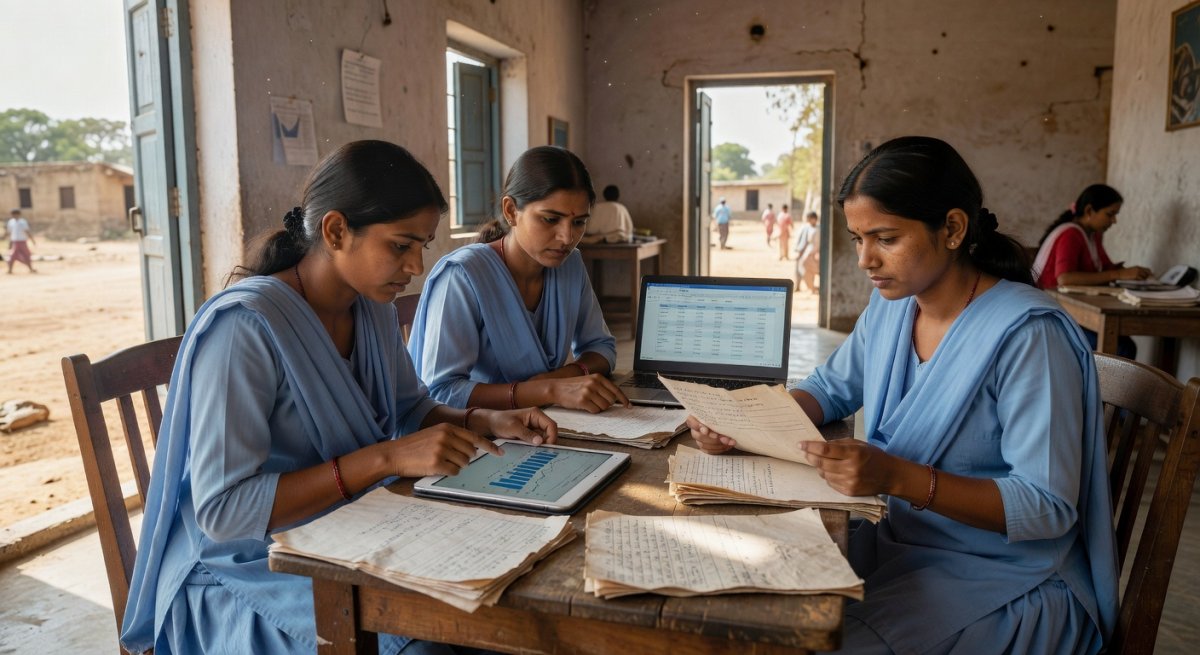
Anaemia Trends Show Steady Rise Despite National Programme
Anaemia among pregnant women increased from 50.4 per cent in NFHS-4 to 52.2 per cent in NFHS-5. The Anaemia Mukt Bharat programme, launched by Prime Minister Narendra Modi, aimed to reduce these rates through weekly iron-folic acid supplementation and behaviour change campaigns. NFHS-6 still reports modest gains in consumption — more women now take supplements for over 100 days and over 180 days. But experts say service delivery data alone cannot confirm whether anaemia levels are actually declining.
Taxpayers fund both the programme and the NFHS rounds. Persistent data silence limits the ability of the Ministry of Health to measure return on this investment across more than 700 districts.
Testing Methodology Raises Accuracy Concerns
Researchers flagged that finger-prick capillary testing, used in previous NFHS rounds, tends to overestimate anaemia compared with venous blood samples. The National Institute of Nutrition has begun a Diet and Biomarker Survey employing the venous method to generate more reliable baselines. However, this methodological shift means future estimates cannot be directly compared with NFHS-5 findings.
Poonam Muttreja, Executive Director of the Population Foundation of India, stated bluntly: "What doesn't get counted also does not get done." Her observation applies directly to policy cycles in states such as Rajasthan, Odisha, Uttar Pradesh and Bihar — where anaemia rates historically exceed national averages and where state health societies rely on NFHS data for mid-term reviews of anaemia control budgets.
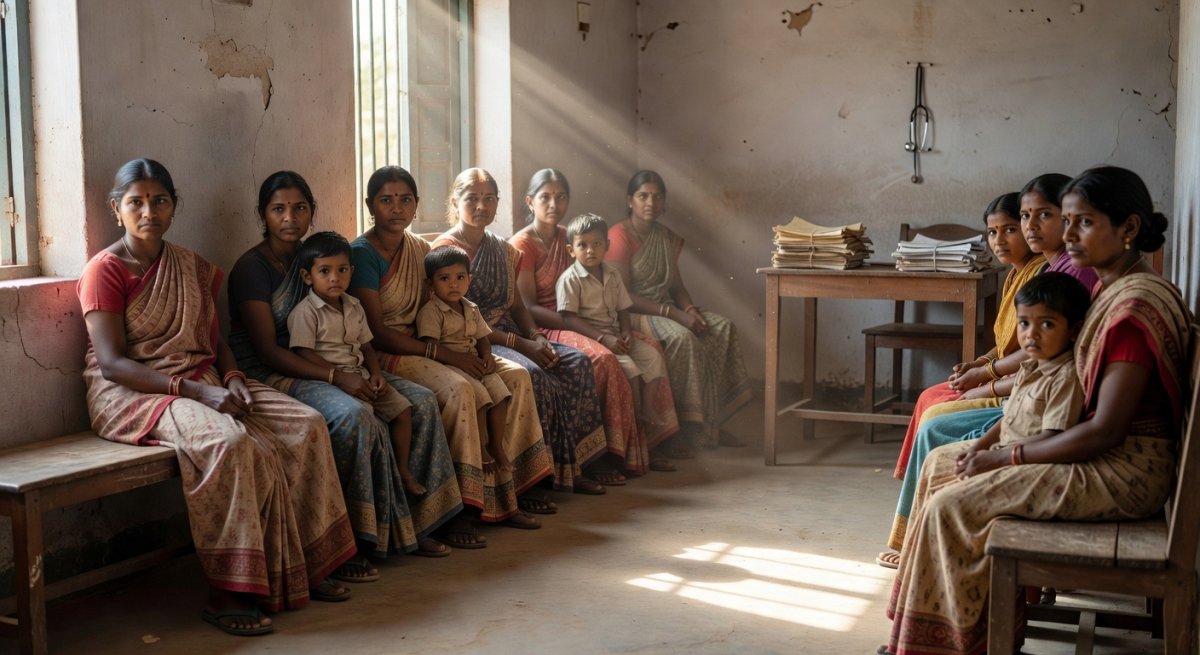
Multiple Health Indicators Missing from Latest Round
NFHS-6 also omits sex ratio at birth data, even though the Sample Registration System reports 918 girls per 1,000 boys nationally. Sanitation coverage, cooking fuel usage — key indicators linked to the Swachh Bharat Mission and Ujjwala Yojana — and cancer screening uptake for breast, cervical and oral cancers are likewise absent.
NFHS-5 had already shown alarmingly low screening coverage: only 0.9 per cent of eligible women screened for breast or oral cancer and 1.9 per cent for cervical cancer. The government has upgraded more than 1.5 lakh Ayushman Arogya Mandirs to provide non-communicable disease screening. A 2024 NITI Aayog report confirmed that actual uptake remains poor despite the infrastructure expansion.
What This Means for Indian Healthcare Policy
The absence of integrated NFHS data weakens the ability of NITI Aayog and state governments to link nutrition, fertility and gender indicators. NFHS remains the only large-scale survey that combines household, nutrition and health service data in one nationally comparable dataset. Indicators such as HIV awareness, cancer screening and infant mortality are not isolated numbers — together, they help policymakers understand how health systems are performing and where inequalities remain.
Muttreja warned that splitting key indicators across multiple surveys makes it "harder to build a coherent picture of progress." For citizens in districts such as Palghar in Maharashtra or Bastar in Chhattisgarh, missing anaemia numbers translate into continued high rates of fatigue, low productivity and maternal complications without any measurable benchmark for improvement.
Government Position and Alternative Data Sources
Officials have indicated that some indicators may appear through other administrative systems or specialised surveys. The explanation is understandable — the Sample Registration System already tracks sex ratios, and the Diet and Biomarker Survey will eventually produce anaemia data using the more accurate venous method. But NFHS's unique strength lies in its nationally representative, comparable time series that has guided Indian health policy since NFHS-1 in 1992-93.
Replacing consolidated NFHS data with fragmented administrative sources risks losing the trend visibility that has informed everything from anaemia control budgets to cancer screening targets for over three decades.
The Bottom Line
For a country where millions of women and children continue to face anaemia, the concern is not just about missing data. It is about losing the ability to measure progress against one of India's most persistent nutrition challenges. Without timely, accurate and comprehensive NFHS releases, Indian states will continue to operate anaemia and cancer programmes with outdated benchmarks from 2019-21. The June 2026 omission carries direct consequences for resource allocation, programme evaluation and ultimately the health of 1.4 billion citizens.
— By Dr. Raj Patel, Staff WriterThis article was produced with AI-assisted research and editorial support. Reporting is based on sources cited in the article.
What's Your Reaction?
 Like
0
Like
0
 Dislike
0
Dislike
0
 Love
0
Love
0
 Funny
0
Funny
0
 Wow
0
Wow
0
 Sad
0
Sad
0
 Angry
0
Angry
0

India/South Asia Correspondent at Global1.News. Analytical voice with a background in science and health journalism. Based in New Delhi, covering Indian politics, education, healthcare, technology, and policy. Breaks down complex data into clear, actionable reporting.










Comments (0)