
IDF Chief Eyal Zamir Tours Hezbollah Tunnels at Beaufort Castle, Warns of Swift Offensive
The July 5, 2026, inspection of Beaufort Castle by IDF Chief of Staff Lt. Gen. Eyal Zamir occurs against the backdrop of the February 28, 2026, Iran war and the resulting reconfiguration of Iranian proxy networks across Lebanon, Syria, and Iraq. Israeli operations have intersected with U.S. diplomatic efforts to enforce Hezbollah's withdrawal south of the Litani River, while Gu
The July 5, 2026, inspection of Beaufort Castle by IDF Chief of Staff Lt. Gen. Eyal Zamir occurs against the backdrop of the February 28, 2026, Iran war and the resulting reconfiguration of Iranian proxy networks across Lebanon, Syria, and Iraq. Israeli operations have intersected with U.S. diplomatic efforts to enforce Hezbollah's withdrawal south of the Litani River, while Gulf states monitor energy route security and the balance between Iranian influence and Arab state interests. This visit underscores how battlefield gains in southern Lebanon now shape the implementation of the June 26 Washington ceasefire framework.
IDF Chief Eyal Zamir Inspects Massive Hezbollah Tunnel Network at Beaufort Castle, Signals Readiness for Renewed Offensive
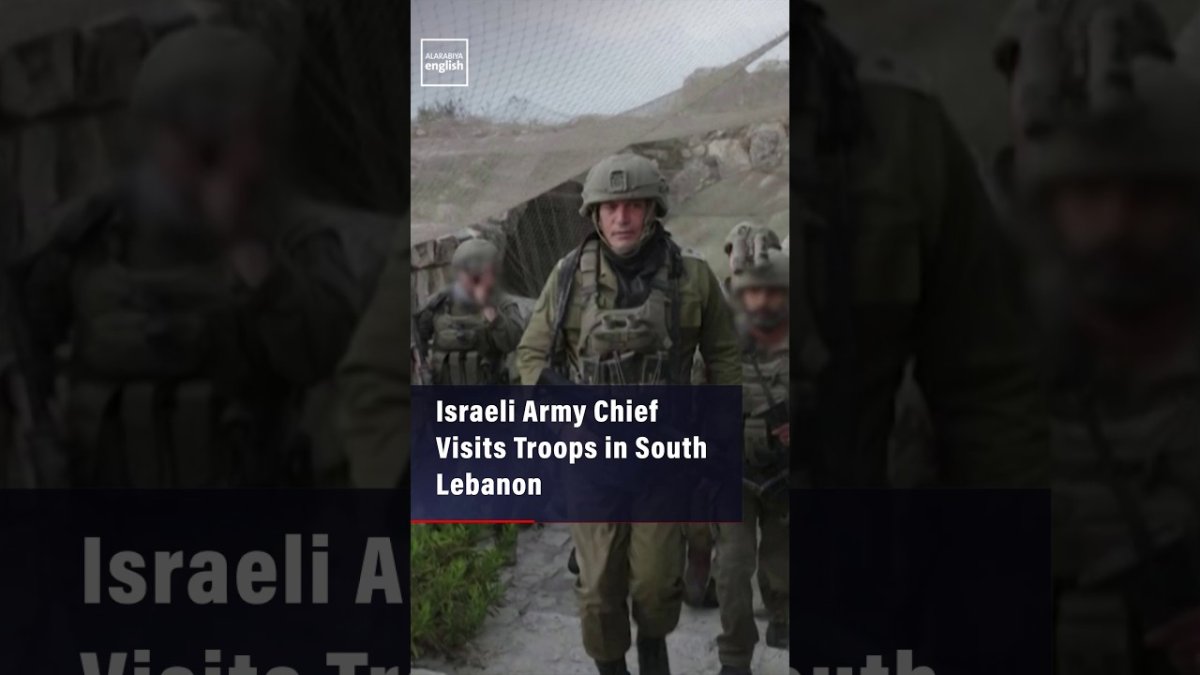
Beirut, Lebanon – July 5, 2026 — IDF Chief of Staff Lt. Gen. Eyal Zamir toured the captured ridge of Beaufort Castle (Qalaat al-Shaqif) and the extensive Hezbollah tunnel complex beneath it, accompanied by Northern Command chief MG Rafi Milo and 36th Division commander BG Yiftach Norkin.
The Visit and Tunnel Inspection
Zamir arrived at the historic ridge on the morning of July 5 and descended into the multi-level tunnel system Hezbollah had constructed over several years. The network featured reinforced concrete chambers, weapons storage depots, and command posts linked by narrow passages extending several hundred meters. Israeli engineers had already mapped more than 1.2 kilometers of tunnels since the May 31 capture of the site. Zamir received briefings on tunnel dimensions, ventilation shafts, and exit points that once allowed Hezbollah fighters to move undetected toward the Israeli border.
During the inspection, Zamir emphasized that the tunnels represented Hezbollah's attempt to create a permanent forward operating base inside Lebanese territory. He directed the 36th Division to maintain continuous surveillance of all known entrances and to prepare contingency plans for rapid re-entry if violations occur.
Hezbollah's Weakened Operational State
Zamir publicly described Hezbollah as "exhausted" and "thoroughly weakened" after months of sustained Israeli strikes that began in late 2025 and intensified following the outbreak of the Iran war. Israeli assessments indicate Hezbollah has lost approximately 40 percent of its medium-range rocket inventory and a significant portion of its Radwan Force commanders. Remaining units have been forced to disperse into smaller cells north of the Litani River, limiting their ability to coordinate large-scale attacks.
The IDF chief noted that Hezbollah's supply lines from Syria have been disrupted by Israeli interdiction and by the broader degradation of Iranian logistics hubs in western Syria. This reduction in resupply has forced the group to rely on pre-positioned caches that are now being systematically located and destroyed.
Details of the June 26 Washington Ceasefire
The U.S.-brokered agreement signed in Washington on June 26 requires Hezbollah to complete its withdrawal south of the Litani River within 60 days. The framework also establishes "pilot" security zones in designated villages where Hezbollah operatives are prohibited from operating or maintaining infrastructure. Lebanese Army units are tasked with deploying into these zones to verify compliance, supported by enhanced intelligence sharing with Israel through U.S. channels.
Zamir stated that the IDF remains prepared to launch a rapid offensive if the ceasefire is violated, citing the proximity of Israeli forces already positioned along the border and at key captured points such as Beaufort Castle. The agreement does not alter Israel's right to respond to imminent threats, a clause repeatedly highlighted by Israeli officials.
Beaufort Castle's Historical and Current Role
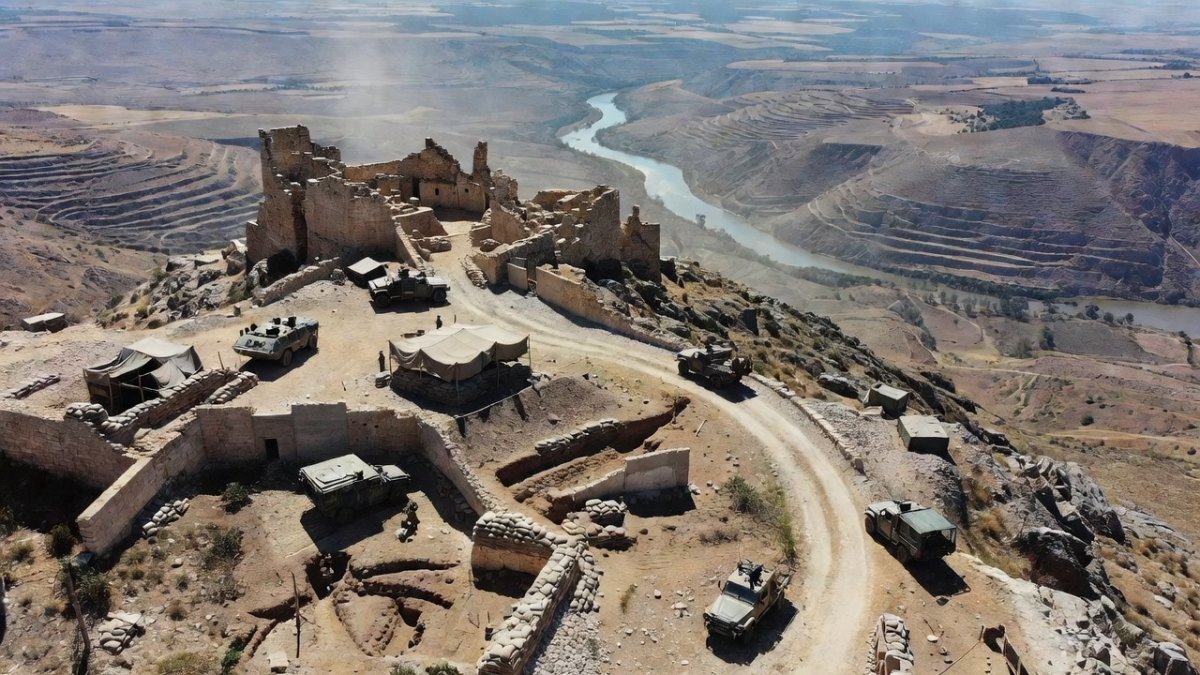
Beaufort Castle served as a strategic Israeli outpost during the 1982–2000 occupation of southern Lebanon before being handed over to the South Lebanon Army and later seized by Hezbollah. Its recapture on May 31, 2026, marked the deepest Israeli ground incursion into Lebanon in 26 years. The ridge provides observation posts overlooking the Litani River valley and key approach routes from the north, giving Israeli forces a tactical advantage in monitoring Hezbollah movements.
Israeli planners view the site as both a military asset and a symbol of deterrence. Control of Beaufort allows rapid response times to any attempt by Hezbollah to re-establish positions in the area, reinforcing the credibility of Israel's warning that violations will trigger immediate action.
Lebanese Army's Enforcement Challenges
The Lebanese Armed Forces face significant political and logistical obstacles in fulfilling their commitments under the ceasefire. Deploying sufficient troops to the pilot security zones requires reallocating units from Beirut and the Bekaa Valley, where Hezbollah maintains strong political influence through its alliance with Amal and other Shia parties. Lebanese officials have privately expressed concern that confronting Hezbollah directly could trigger internal clashes or renewed political paralysis in Beirut.
International donors have conditioned additional military assistance on visible progress in disarming Hezbollah south of the Litani, yet funding remains limited. The army must balance these external pressures against domestic realities where Hezbollah retains substantial popular support in Shia communities and controls parallel security structures.
Broader Regional Implications
Zamir's visit and statements reflect Israel's determination to translate battlefield gains into lasting changes in Lebanon's security architecture. For Iran, the loss of Hezbollah's forward infrastructure weakens its ability to threaten Israel's northern border and complicates Tehran's strategy of using proxy forces to offset conventional military disadvantages. Gulf states, particularly Saudi Arabia and the UAE, are watching whether the pilot zones can be sustained, as any renewed escalation could affect maritime energy routes through the eastern Mediterranean.
The United States continues to press for implementation while avoiding direct entanglement, leaving the Lebanese government to manage the difficult transition. The coming weeks will test whether the Washington framework can produce durable separation between Hezbollah and the border or whether the region will return to cycles of escalation.
By Malik Hassan, Staff Writer
This article was produced with AI-assisted research and editorial support. Reporting is based on sources cited in the article.
What's Your Reaction?
 Like
0
Like
0
 Dislike
0
Dislike
0
 Love
0
Love
0
 Funny
0
Funny
0
 Wow
0
Wow
0
 Sad
0
Sad
0
 Angry
0
Angry
0

Middle East Correspondent at Global1.News. Based in Beirut, covering politics, conflict, energy, and society across the Middle East. Brings context and depth to a region often reduced to headlines.













Comments (0)